








































KwaZulu-Natal tourism small businesses say the real test for the sector will be whether festive season momentum translates into sustainable opportunities for SMEs throughout the year.
This follows optimism expressed during the 2026 State of the Province Address, where Premier Thamsanqa Ntuli highlighted strong tourism performance during the December holiday period.
Festive season boosts provincial tourism economy
Ntuli said the 2025 festive season generated about R13 billion in tourism revenue for KwaZulu-Natal, underscoring the sector’s importance to the provincial economy and job creation.
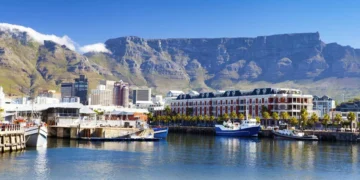
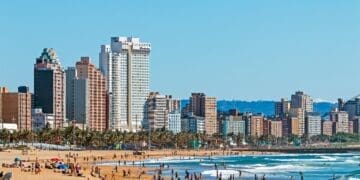
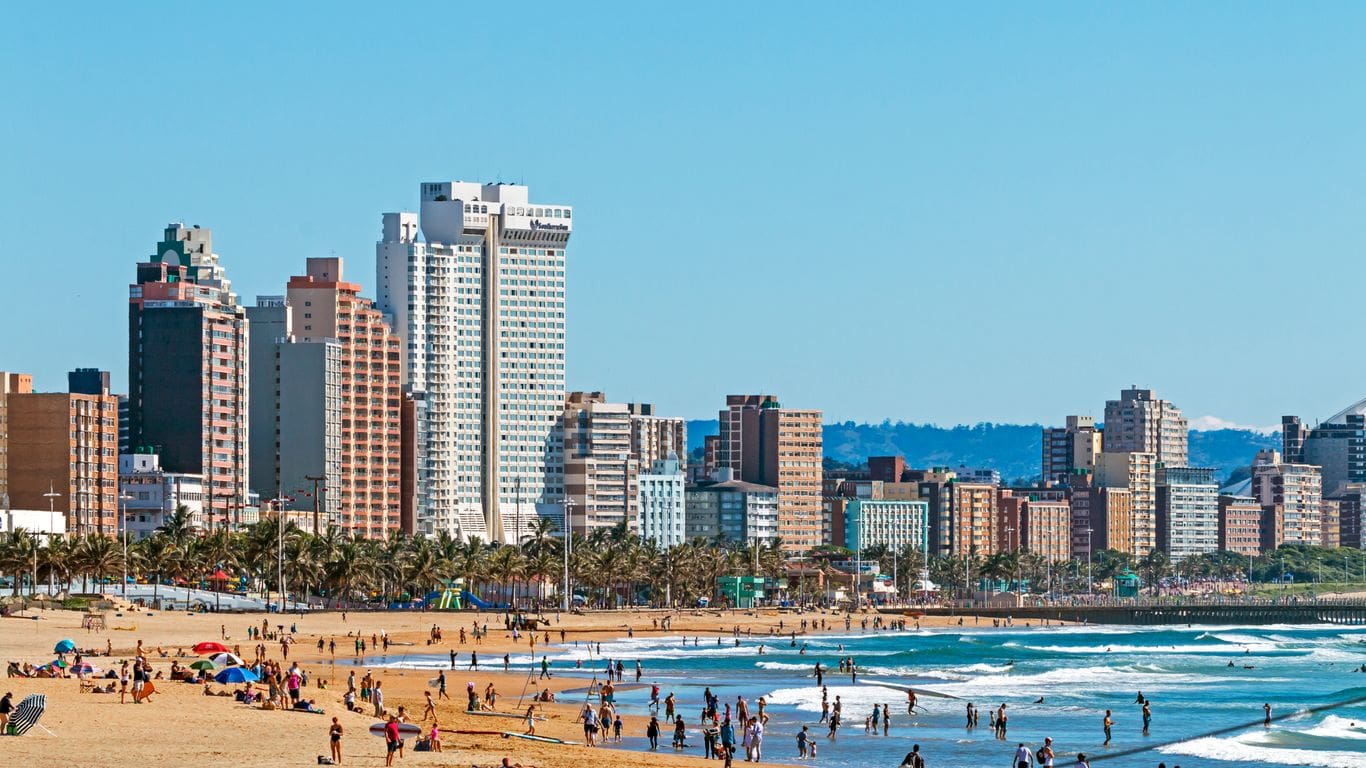
The Premier noted that both domestic and international visitors flocked to the province’s beaches, cultural attractions, and hospitality establishments during the holiday period.
However, tourism entrepreneurs say the benefits of the festive season were not evenly distributed across the sector.
Mixed festive season results for tourism SMMEs
Mbali Msomi, CEO of Perfectly Travel, said December is typically a busy period for travel businesses, making it difficult to attribute growth directly to festive tourism.
“We did not notice a significant boost as December is often busy,” she said.
Msomi added that her company has maintained partnerships formed during the festive season and hopes these relationships will translate into sustainable income in the months ahead.
Msomi argued that access to industry insights and marketing support would help tourism SMEs position themselves better.
“Learning about upcoming trends early may help us plan for the festive season. Published reports or tourism statistics can assist with that,” she said.
She added that financial marketing support could help small businesses strengthen their positioning in the market.
Meanwhile, Pretty Ngubane, owner of PNS Travel Frenzy in Richards Bay, said her business experienced increased interest from both local and international travellers during the festive season.
“Our business experienced a noticeable boost during the recent festive season. We saw increased interest from both local and international travellers, which resulted in more bookings and travel enquiries,” she said.
Ngubane said some of the increase translated into sustainable income, as travellers made advance bookings and referrals that continued beyond the festive period.
Delayed payments strain SME cash flow
However, Ngubane argued that delayed payments from some government clients remain a major challenge for tourism SMEs.
“As SMEs, we often have to confirm flights, accommodation, and other travel arrangements upfront using our own cash or credit accounts with suppliers. When payments extend beyond 30 days, sometimes even beyond 60 days, it puts serious pressure on our cash flow,” she said.
Ngubane added that improving payment turnaround times would help tourism SMEs manage cash flow better and expand their operations.
For some tourism enterprises, however, the festive season did not bring the expected benefits.
Msizeni Mngadi, CEO of Indlondlo Cultural Village in KwaZulu-Natal’s Valley of 1000 Hills, said his establishment saw little increase in visitor numbers.
Mngadi said stronger partnerships with tourism agencies and municipal tourism offices were needed to direct visitors to smaller tourism attractions.
“Strong links with agencies and municipal tourism offices are needed to ensure tourists come to our establishments,” he said.
He added that infrastructure support, including accommodation facilities and transport for guests, would help cultural tourism businesses attract more visitors.
Industry players say addressing challenges such as marketing support, infrastructure development, and delayed payments will be key to ensuring that tourism growth translates into meaningful opportunities for small businesses across the province.