

















































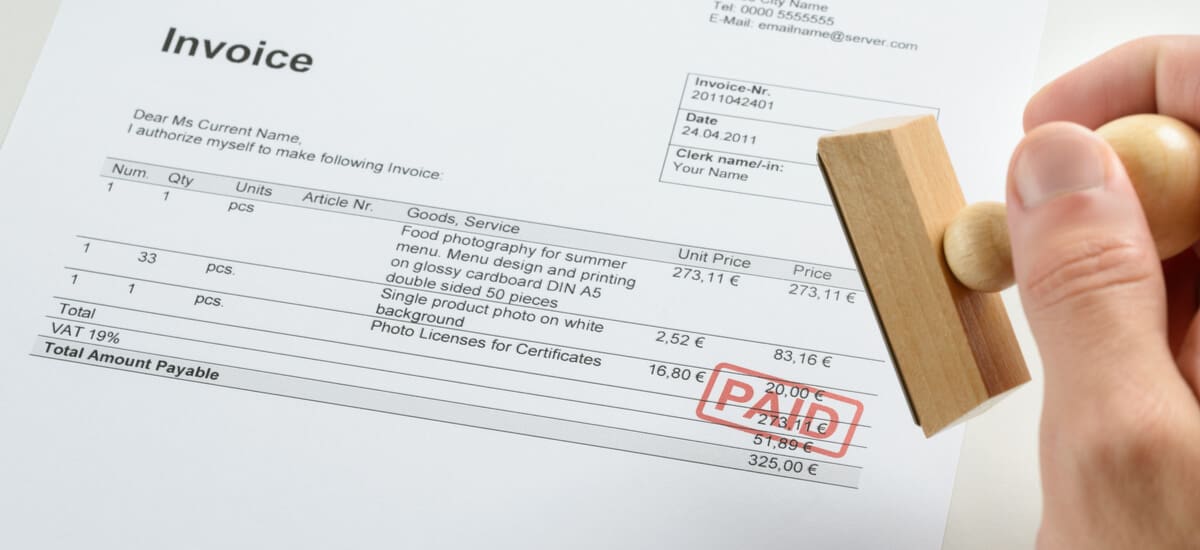
Limpopo has been ranked the best-performing province in South Africa for paying supplier invoices within 30 days, a development expected to bring relief to small businesses that depend on government contracts for income and cash flow.
According to recent reports by the National Treasury and the Public Service Commission (PSC), late payment of invoices remains a major challenge across many government departments, placing financial pressure on small and medium enterprises (SMEs). However, Limpopo has consistently performed well in paying suppliers within the required 30-day period.
Limpopo Premier Dr Phophi Ramathuba said paying suppliers on time supports small businesses, protects jobs, and helps the economy grow. She said the province has improved internal controls and coordination between finance and supply chain units to ensure invoices are processed and paid on time.
Ramathuba encouraged suppliers with payment queries to contact the Limpopo Provincial Treasury for assistance, adding that the province will continue working to maintain its strong payment record.
Late payments strain small businesses
The PSC has warned that late payment of invoices is one of the factors affecting the sustainability of small businesses in South Africa.
“Non-payment of invoices is a contributing factor to the lack of sustainability in the small business environment. Late payments can force businesses to borrow money to cover operational costs and, in some cases, this leads to job losses,” said Public Service Commission Commissioner Anele Gxoyiya.
Research shows that delayed and/or non-payments by government departments can have serious consequences for SMEs.
About 31% of small businesses reported being unable to pay salaries due to late payments, while 18% said their business reputation had been damaged, and some even had to borrow high-interest loans or use personal funds to cover operational costs.
Some suppliers have expressed mixed reactions to Limpopo’s performance on paying invoices. While some acknowledged improvements and congratulated the provincial government for meeting the 30-day payment standard, others highlighted ongoing challenges in certain departments, citing delays that stretch for months or even years.
Several small businesses noted that late payments make it difficult to pay staff, cover operational costs, or tender for government contracts. Others raised concern about corruption and inefficiency in specific departments, showing that despite progress, delays and administrative issues continue to affect SMEs across the province.
Delayed payments can also affect a company’s revenue. Studies indicate that SMEs experiencing late payments at a provincial level are likely to see a decline in turnover, even if the relationship is not statistically significant. Over time, this can hinder business growth and limit their capacity to take on larger contracts.
How SMEs cope with cash flow delays
Small businesses supplying goods and services to government departments say that timely payment of invoices makes a significant difference to their operations.
Stefan Mudau, a representative from a small business that provides cleaning and office products to government departments, said delayed payments often make it difficult for small businesses to cover wages and day‑to‑day operational costs.
“Late payments don’t just affect the business, they affect the workers as well,” he said. “When payments are delayed, it becomes difficult to pay staff on time, buy supplies, and plan for upcoming projects. Small businesses depend on consistent cash flow to survive. If invoices are paid within 30 days, it would give businesses more certainty, help us keep our employees motivated, and allow us to focus on growing the business instead of constantly worrying about money,” Mudau added.
He said many small businesses rely on government work as a steady source of income, but uncertainty around payment timelines makes it difficult to plan ahead and grow.
Mudau’s experience reflects a broader trend. Recent studies show that 7% of SMEs took legal action against provincial departments for delayed payments, while 83% had to cover legal costs ranging from 0–25% of the invoice value.
Additionally, 55% of businesses had to resubmit invoices due to misplacement, unclear information, or incomplete documents, further delaying payment. About 24% of SMEs work as subcontractors, and of these, 25% experienced delayed payments because the main contractor was not paid on time.
Small businesses that supply goods and services to government often rely on timely payment to pay workers, buy stock, and cover transport and operational costs. When payments are delayed, businesses may struggle to continue operating normally.
National Treasury reports show that non-compliance with the 30-day payment rule remains a problem in many parts of government, affecting suppliers and small businesses that depend on government work for income.
Economists say cash flow is critical for small businesses, and delayed payments can slow business growth and reduce job creation. Paying invoices on time allows businesses to reinvest in their operations, pay employees, and avoid taking on unnecessary debt.