















































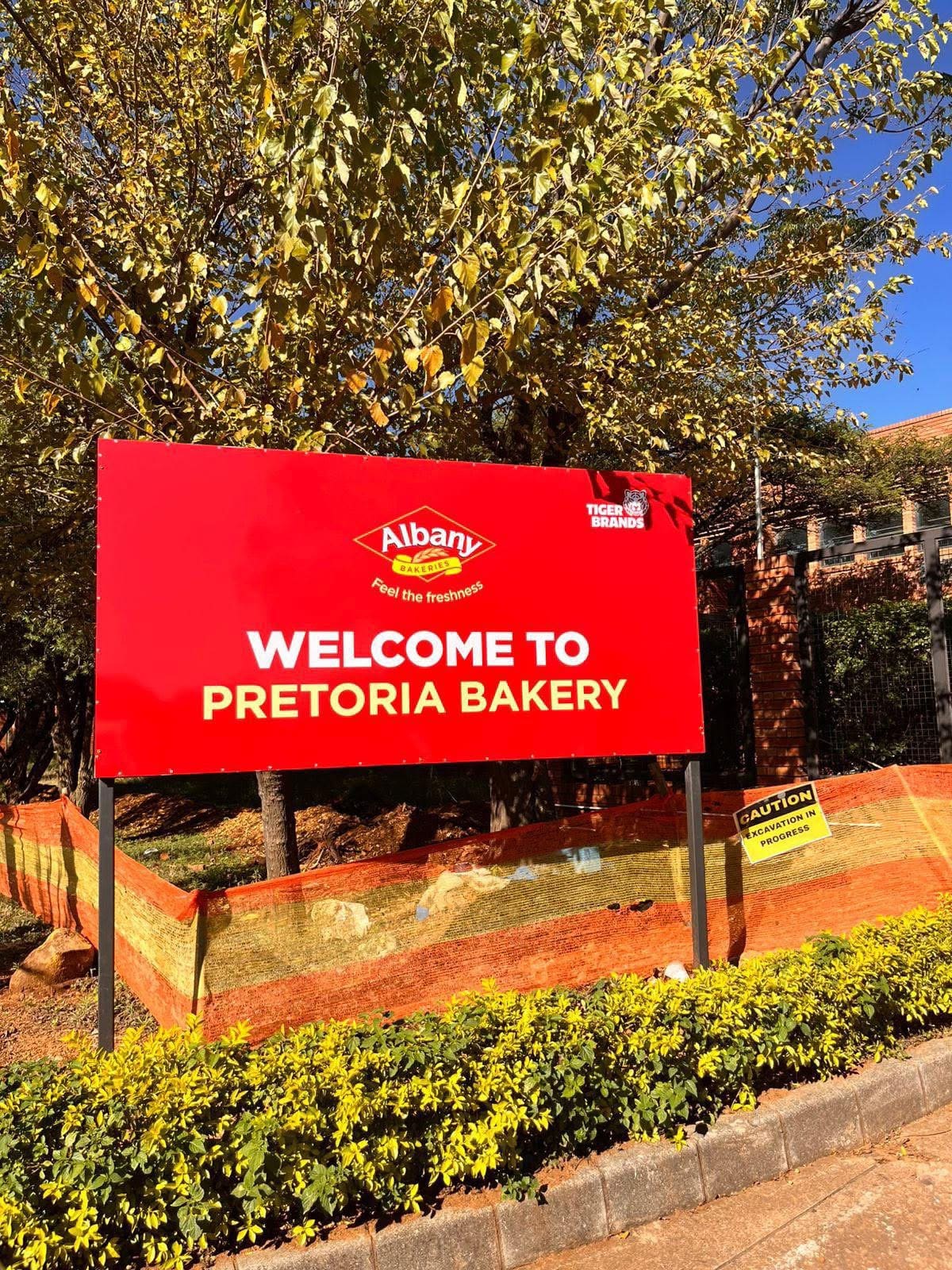
A power dispute between the City of Tshwane and a major production facility has raised concerns about business stability, after one of South Africa’s largest bakeries was temporarily disconnected over a disputed bill.
The Albany Bakery in Waltloo, operated by Tiger Brands, had its electricity cut earlier this week after the municipality claimed it owed more than R1 million in unpaid bills as part of its ongoing revenue collection drive.
Tshwane mayor Nasiphi Moya later said the bakery had settled its debt and confirmed that power had been restored, thanking the company for complying with the municipality’s processes.
However, Tiger Brands disputed this, saying the disconnection was based on incorrect information and that the account was not in arrears at the time the electricity was cut.
“The Executive Mayor published a social media post indicating that the bakery’s power was disconnected due to the site allegedly being in arrears with the City of Tshwane. This information is in fact incorrect,” Tiger Brands said in a statement.
The company added that the account had been fully paid and in good standing since 10 April 2026, and that proof of payment had been submitted to the municipality prior to the disconnection.
Tiger Brands said it had engaged with the municipality to correct the error, after which power was restored on 29 April.
Business disruption raises job and SME concerns
Small businesses and retailers have raised concerns about the impact of the temporary shutdown of the bakery, saying even short disruptions can affect supply, sales, and income.
The incident has also highlighted broader risks across the value chain when major suppliers experience interruptions.
“We rely on daily deliveries of bread because it is one of our main selling products. If suppliers delay or there are shortages, customers get frustrated and we lose sales,” a spaza shop owner in Philip Nel Park, Tshwane told Vutivi Business News.
“For small businesses like ours, even a short disruption affects our income for the day, and it becomes difficult to recover those losses.”
The Albany Bakery produces bread, rolls and baked goods that are distributed across South Africa and into regional markets, making it a critical component of the country’s food supply chain.
As a major manufacturing site within Tiger Brands’ operations, any disruption in production can affect supply to retailers, distribution networks and overall operational continuity.
The incident has also raised concerns about potential knock-on effects on workers, as interruptions in production can influence shifts, working hours and overall job stability within the facility and across linked supply chains.
These disruptions carry even greater risk, as many operate with limited financial buffers and rely on consistent stock availability to maintain daily cash flow.
Revenue collection campaign and billing concerns
The disconnection forms part of the City of Tshwane’s Tshwane Ya Tima revenue collection campaign, which aims to recover outstanding municipal debt and enforce payment compliance across households and businesses.
The municipality said the campaign includes disconnections for non-payment, as well as penalties for illegal connections and meter tampering.
“The Tshwane Ya Tima revenue-collection campaign seeks to disconnect services to defaulting clients who run up high service bills and fail to pay the City,” the municipality said.
Authorities have also encouraged customers who are unable to settle their accounts to make payment arrangements to avoid service interruptions.
However, the incident involving Tiger Brands has raised concerns about billing accuracy, communication and administrative processes, particularly where businesses claim to be up to date with payments.
The dispute has highlighted the risk of wrongful disconnections and the potential consequences such actions may have on business operations.