









































The government and industry stakeholders have placed small-scale growers at the centre of efforts to rebuild South Africa’s struggling sugar sector, following the signing of Phase Two of the Sugarcane Value Chain Master Plan.
Deputy Minister of Trade, Industry and Competition, Zuko Godlimpi, said the second phase of the plan would shift the industry from recovery to long-term sustainability, with black small-scale farmers playing a central role.
“Phase One reinforced the importance of small-scale growers as foundational to the industry,” Godlimpi said at the signing ceremony in Durban.
“Phase Two will cement this position and ensure their long-term sustainability.”
The Master Plan was first introduced in 2020 to stabilise an industry facing declining revenues, rising imports and falling local demand. While Phase One focused on preventing collapse, Phase Two is expected to drive diversification and growth.
A key pillar of the new phase is the transition from a sugar-based industry to a broader sugarcane economy. This includes expanding into alternative products such as biofuels and other value-added outputs, which the government says could create new income streams for growers.
Godlimpi said repositioning sugarcane as an “engineered product” rather than purely an agricultural commodity would open up opportunities for industrial development and job creation.
However, many small-scale growers who operate in rural areas with limited resources continue to face mounting pressure.
The South African Sugar Association said deep-sea sugar imports had exceeded 197,000 tonnes by the end of February 2026 for the current season, contributing to an estimated R1.5 billion in lost revenue.
Acting chairperson Rex Talmage warned that the impact of these losses is felt across the value chain, particularly among smaller producers.
“These are not abstract figures,” Talmage said. “They represent the one million livelihoods that depend on this industry.”
In addition to import pressure, growers are grappling with rising input costs and limited access to markets, making it increasingly difficult for small operators to remain viable.
Industry stakeholders also raised concerns about the Dollar-Based Reference Price, which has remained unchanged since 2018 and determines tariff protection against imports. They argue that without adjustments, efforts to stabilise and grow the sector could be undermined.
An ongoing process led by the International Trade Administration Commission of South Africa is expected to assess the appropriate level of tariff protection.
Despite these challenges, government and industry leaders said collaboration between stakeholders that includes labour will be key to ensuring the success of Phase Two.
The plan also aims to improve productivity through investment in technology, infrastructure and extension services, while expanding access to new markets linked to diversified sugarcane products.
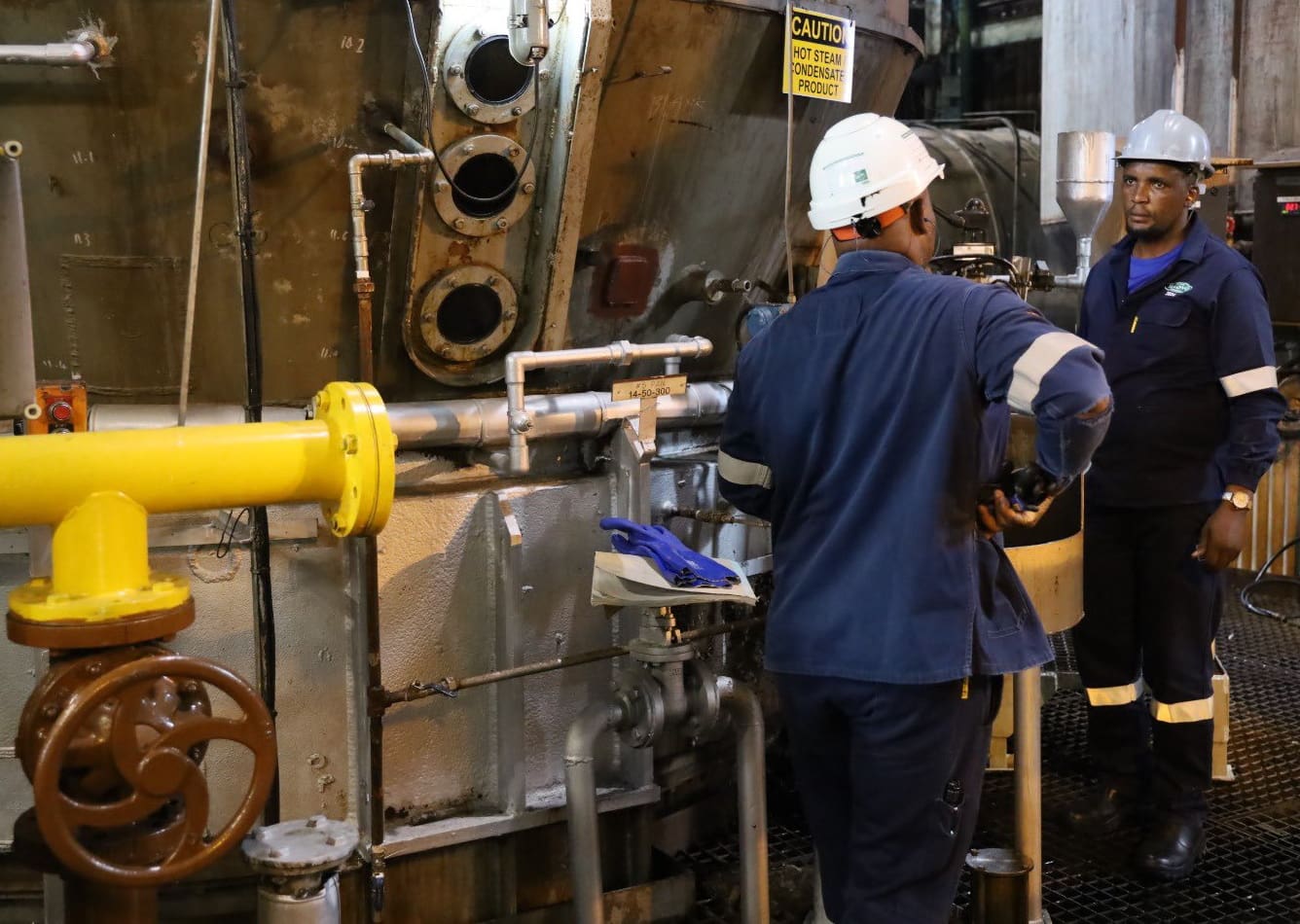
Godlimpi said recent visits to sugar mills in KwaZulu-Natal ahead of the upcoming crushing season had provided valuable insight into the sector’s readiness.
“The week proved highly insightful and has left me with a more optimistic outlook on the industry’s future,” he said.
While Phase Two signals a shift toward a more inclusive and diversified industry, its success will depend on whether small-scale growers are effectively supported and integrated into emerging value chains.
For now, they remain both the most vulnerable and the most critical link in South Africa’s sugar economy.