







































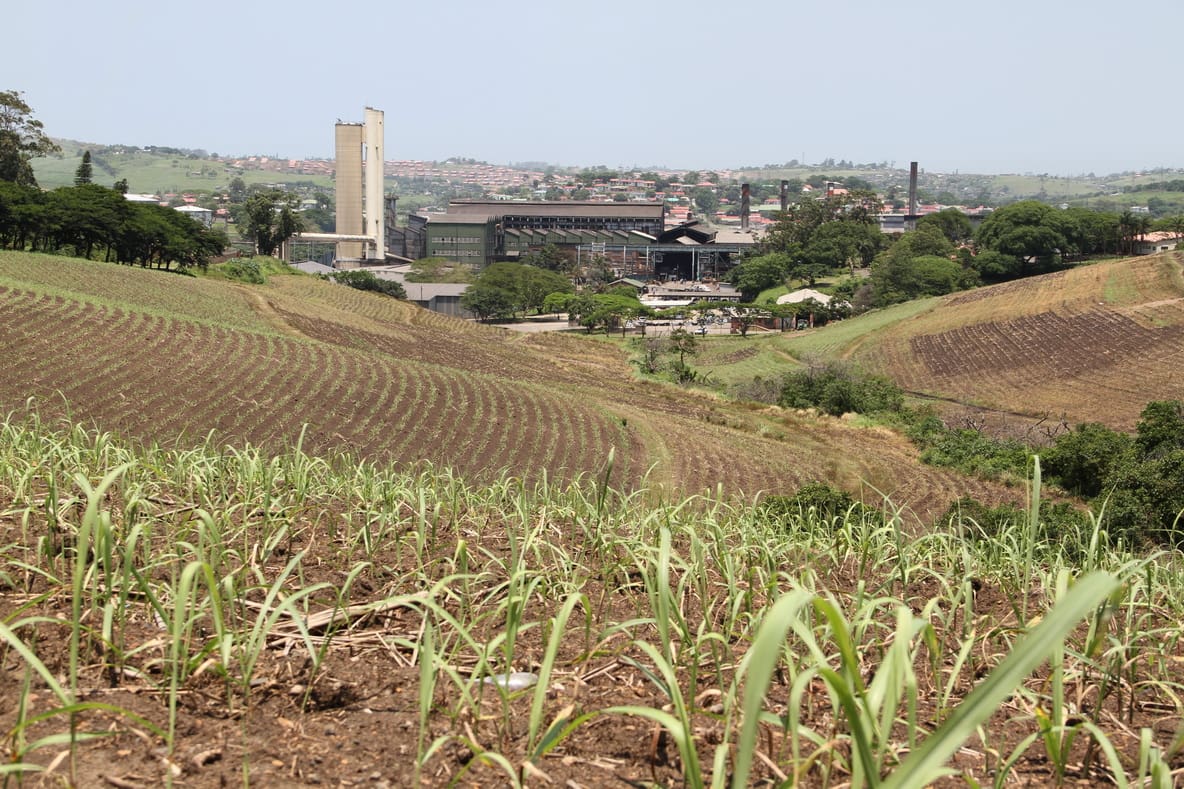
Small-scale sugarcane farmers in KwaZulu-Natal have welcomed the reopening of the Gledhow Sugar Mill in KwaDukuza, backed by a nearly R1.8-billion investment, which has brought relief following warnings that thousands of rural livelihoods across the sugar sector were at risk due to mill closures and financial instability.
This comes against the backdrop of a recent warning by the South African Federation of Trade Unions (SAFTU), which raised concerns that as many as 35,000 to 40,000 jobs and about 15,500 cane growers could be affected if milling operations in the sugar value chain were disrupted.
The mill, which entered business rescue in 2023, has been revived under new ownership by the Kenya-based Chatthe Group, securing more than 400 jobs and restoring a critical link in the region’s sugar value chain during a period of uncertainty in the sector.
The Deputy Minister of Trade, Industry and Competition, Zuko Godlimpi, said the reopening forms part of broader efforts to stabilise the sugarcane value chain and support rural economies dependent on sugar production.
“The South African sugar industry remains a strategic agro-processing value chain, supporting rural livelihoods, small-scale growers and regional economies,” he said.
Farmers regain certainty ahead of harvesting season
For sugarcane farmers, the mill’s reopening has restored confidence that their harvest will have a guaranteed processing outlet this season, reducing the risk of income losses during the 2026 crushing period.
Small-scale growers say access to nearby mills is essential, as transport costs and processing delays can significantly affect profitability and cash flow.
Sugarcane farmer Nkosinathi Msweli said the reopening has eased concerns following months of uncertainty in the sector.
“We are relieved after receiving assurance from the Industrial Development Corporation that funding will support the operation of mills. Although there may be a delay in opening, it is important that it will operate so that our cane can be processed this season,” he said.
Industry stakeholders say the sugar sector remains highly vulnerable to disruptions, as farming income is directly tied to milling capacity and seasonal harvesting timelines.
Mill reopening stabilises jobs and SMEs in sugar sector
The reopening has secured more than 400 permanent jobs at the mill, providing stability for workers and their dependents at a time when the broader industry has faced warnings of large-scale job losses.
General manager Dawid Louw said no jobs were lost during the business rescue process.
“No one has lost a job in this business throughout the business rescue process. Our 400 employees will remain,” he said.
He added that the mill is ready to resume crushing operations, even as expansion work continues, with the facility currently about 70–80% complete.
More than 200 local contractors have been employed during the expansion phase, supporting SMEs in construction, logistics, maintenance and related services.
The increased activity is also expected to benefit informal traders, transport operators and small retailers who depend on seasonal industrial activity for income.
Relief for rural economy after sector crisis warnings
The reopening comes as the sugar industry faces structural pressure, including rising input costs, import competition and concerns about long-term sustainability.
SAFTU previously warned that disruptions in milling operations could have devastating ripple effects across rural economies, affecting not only workers but also farmers, transport operators and small businesses embedded in the value chain.
The federation estimated that the sugar sector supports tens of thousands of direct and indirect livelihoods, with any collapse in milling capacity likely to trigger widespread economic losses in KwaZulu-Natal and other producing regions.
Zuko Godlimpi said the reopening reflects broader efforts to stabilise the sector through the Sugar Industry Master Plan (SIMP), which promotes cooperation between government, business and labour.
He warned that disruptions in the sector could have serious consequences for farmers, jobs and associated industries if not addressed.
The mill, now under the Kenya-based Chatthe Group following a business rescue process that began in 2023, forms part of ongoing investment aimed at modernising operations and improving efficiency in the sector.
The reopening ensures a reliable processing outlet for cane and it restores economic activity across transport, logistics, retail and support services linked to the sugar value chain.