
















































The government has renewed its focus on improving access to finance for small businesses, but persistent structural barriers continue to limit whether funding is reaching the enterprises it is intended to support.
At the National Local Economic Development Summit held in Ekurhuleni this week, policymakers positioned small, medium and micro enterprises (SMEs) at the centre of South Africa’s growth strategy, highlighting funding as a key lever to drive job creation and economic inclusion.
President Cyril Ramaphosa told the summit that expanding access to finance remains critical to unlocking the potential of small businesses, particularly at a local level where economic activity is concentrated.
“We need a stronger compact with the financial sector to expand MSME financing, especially in townships and rural areas,” he said.
The emphasis on funding comes amid continued pressure on SMEs, many of which are navigating weak demand, rising costs and limited access to affordable credit.
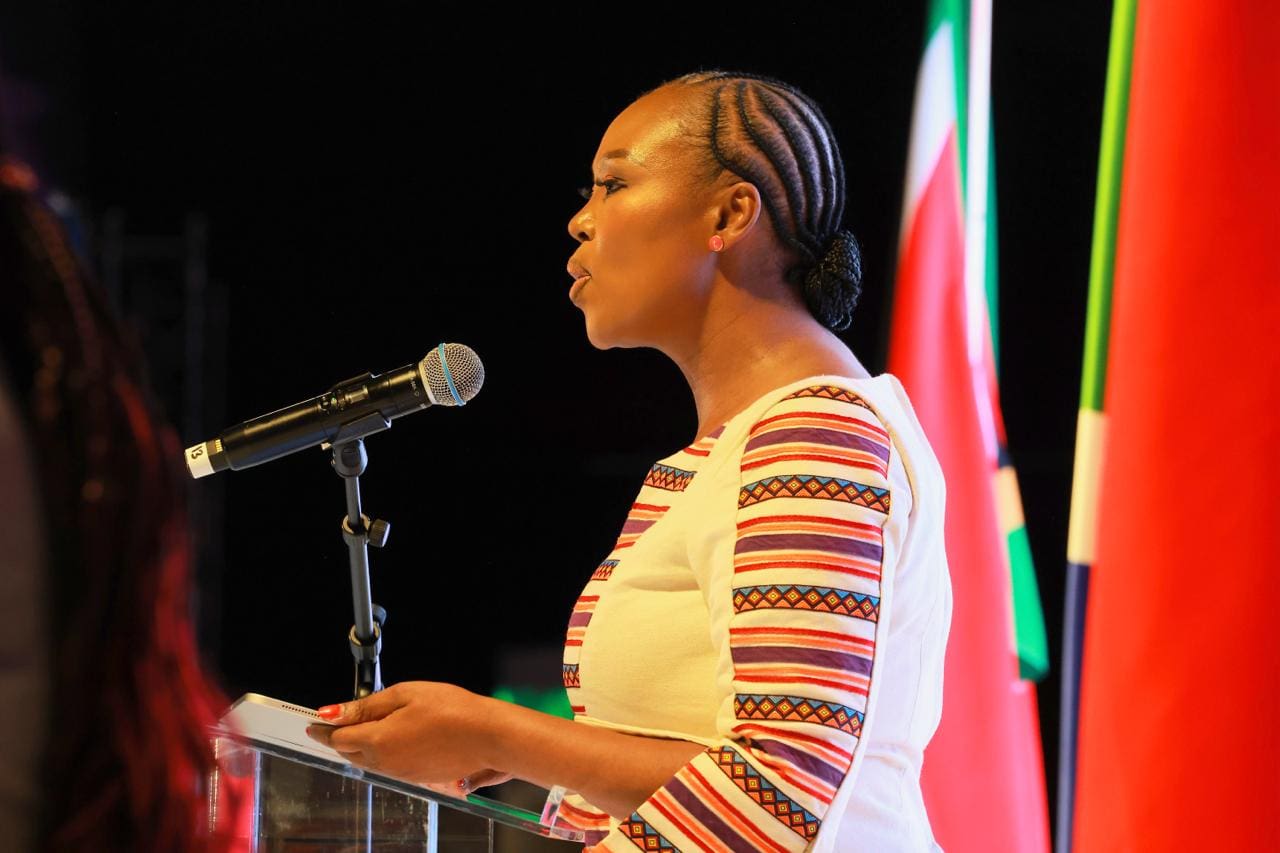
Minister of Small Business Development Stella Ndabeni-Abrahams outlined a range of policy interventions and financial instruments aimed at addressing these challenges, including blended finance models, credit guarantees and targeted funds for specific groups.
“We plan to support 1 million MSMEs and cooperatives with financial and non-financial support over this administration,” she said.
Despite these commitments, the gap between policy intent and practical access to funding remains a central concern for businesses on the ground.
Access to funding remains uneven
While the government has expanded its suite of financial support mechanisms, many SMEs continue to face barriers when attempting to access funding, particularly through formal channels.
These include stringent application requirements, collateral demands and delays in disbursement, which can limit the ability of smaller businesses to secure timely support.
“For many small businesses, funding exists in theory, but not in practice,” said Amogelang Mokoena, a small business finance consultant based in Johannesburg. “The processes are often complex, and a lot of entrepreneurs simply don’t meet the criteria set by traditional lenders.”
This has resulted in a growing reliance on alternative funding sources, including short-term credit and informal financing, which can carry higher costs and increase financial risk for SMEs.
Local realities continue to shape outcomes
The summit also highlighted the role of municipalities in enabling or constraining access to economic opportunities, with funding challenges often linked to broader issues such as red tape, licensing delays and weak local infrastructure.
For SMEs operating at a local level, these constraints can directly affect their ability to qualify for and utilise funding effectively.
“Even when funding is available, you still need the right environment to use it,” said Menelisi Mthembu, who runs a construction business in Gauteng. “If approvals take too long or projects are delayed, it becomes difficult to sustain your business.”
This reinforces the link between financial access and the broader business environment, particularly at municipal level where many SMEs operate.
Bridging the gap between policy and practice
Government has increasingly shifted towards blended finance and integrated support models, combining funding with business development services in an effort to improve outcomes.
Initiatives such as credit guarantees and targeted enterprise funds are designed to reduce risk for lenders and expand access to capital, particularly for underserved groups including youth, women and township-based businesses.
However, analysts caution that without improvements in implementation and coordination, these interventions may struggle to achieve scale.
“The challenge is not just about creating funding instruments, but ensuring they are accessible, efficient and aligned with the realities of small businesses,” Mokoena said.