





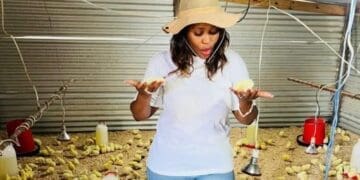



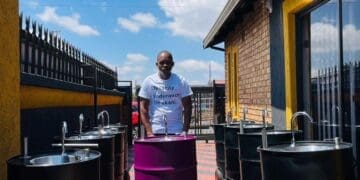





















Businesswoman Lebohang Dhludhlu founded Nkanyezi Farming in eMalahleni, Mpumalanga, with just 50 chickens and now supplies more than 300 clients across the province and in Gauteng, including retail stores, schools and day-care centres.
“We started with a small batch of chickens and did everything ourselves, slaughtering, plucking and packaging by hand,” Dhludhlu told Vutivi Business News.
“That commitment to quality helped us build trust with customers. Today we have two poultry houses, a high-throughput abattoir and plans to expand even further. Women in agriculture are very intentional. We formalise our businesses, follow food safety standards and ensure compliance. That professionalism helps us compete and grow in the market,” she said.
UN launches International Year of the Woman Farmer
Dhludhlu is among many women farmers in South Africa who could play a crucial role in strengthening food security and driving rural economic growth as the Food and Agriculture Organisation of the United Nations (FAO) launches the International Year of the Woman Farmer 2026.
The global campaign aims to recognise the contributions of women in agrifood systems while encouraging governments, development organisations and the private sector to close gender gaps in access to land, finance, technology and decision-making.
However, many women farmers continue to face challenges when trying to scale their operations.
Another farmer contributing to local food production is Meriam Sigauke, founder of Hluvuka Makwerhu Farming and Projects in Bushbuckridge, Marite.
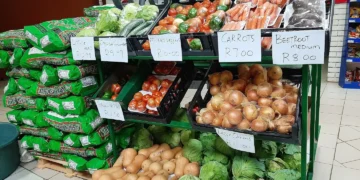
Sigauke grows vegetables such as chillies, cabbage, onions and spinach throughout the year, as well as seasonal crops including butternut and watermelon. She currently cultivates two hectares of a 48-hectare farm.
“As a young woman farmer, accessing funding, equipment and markets remains one of the biggest challenges. Support programmes exist, but on the ground we need more targeted implementation and real follow-through,” Sigauke said.
She also highlighted the need for greater inclusion in agricultural development.
“Coming from a family with many deaf relatives, I’ve seen how people with disabilities are often excluded from agricultural conversations. We need inclusive communication and support systems so that everyone has an opportunity to participate,” she said.
Closing the gender gap in agriculture
According to FAO, empowering women farmers is essential for building more resilient and productive food systems.
FAO Chief Economist Maximo Torero warned that progress on women’s empowerment in agrifood systems has stalled over the past decade.
“The cost of inaction is enormous. Closing the gaps between men and women in agriculture could raise global GDP by one trillion dollars and reduce food insecurity for 45 million people,” he said.
Torero added that the campaign goes beyond celebration and should drive policy reform.
“It is about bringing policy attention to the multidimensional challenges women farmers face and promoting legal reforms and programmes that ensure equal access to land, finance, technology, markets and decision-making,” adds Torero.