













































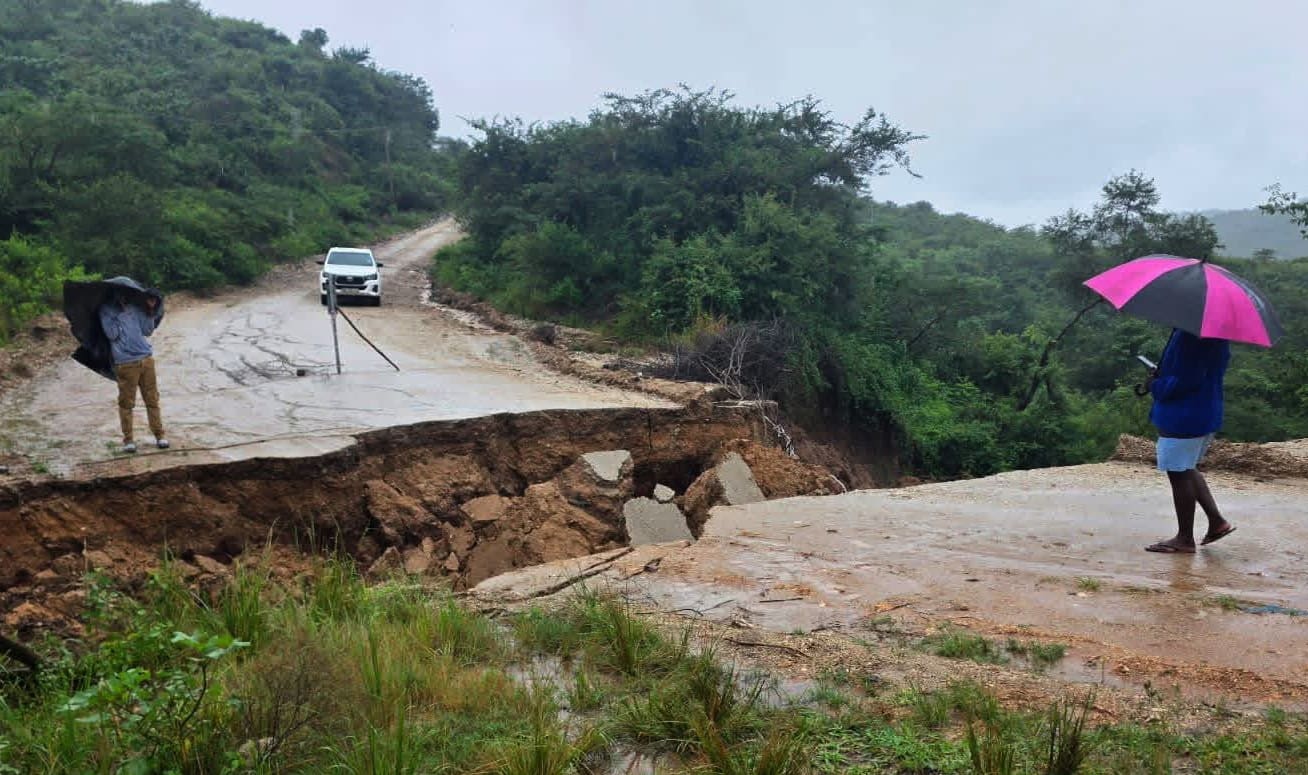
Heavy flooding in Limpopo over the weekend is disrupting businesses just as many were recovering from previous rains. Roads and bridges have been washed away, deliveries delayed, and local operators are struggling to keep their businesses running.
The hardest-hit areas are Vhembe, Mopani, and Waterberg districts, where heavy rains have caused mudslides, washed-away bridges, and damaged roads, leaving communities cut off and disrupting transport and supply chains.
Key routes connecting towns, villages, and essential services have been affected, making it difficult for businesses and emergency services to operate. A low-lying bridge between Tswinga village and Thohoyandou has also been submerged, impacting residents and University of Venda students staying nearby, and highlighting the wider challenges the floods are creating for local communities and SMEs.
SMEs and local operators are feeling the impact immediately
Muthuphei General Traders in Sibasa said deliveries of essential goods have been blocked, leaving shelves empty and customers frustrated.
“We only just recovered from the floods two months ago. Now trucks can’t reach us, and customers are asking for goods we can’t deliver. This is hurting our business badly,” said owner Gloria Muthuphei.
Small logistics operator Akani Baloyi echoed the same concerns.
“Many of the roads I normally use are flooded or blocked. Clients are cancelling trips. I lost a lot over the weekend, and I’m seriously thinking of relocating if this keeps happening. We can’t control natural disasters, but if we had proper infrastructure, we wouldn’t be affected,” he said.
Derrick Poultry Farm in Vhufuli also reported delays in feed deliveries, threatening their ability to supply local markets.
“We just recovered from the last floods, and now our deliveries are blocked. If this continues, we may have to consider moving our operations. Floods make planning and running a business very difficult,” said Derrick Dagada.
Government response and infrastructure challenges
MEC for Public Works, Roads and Infrastructure Ernest Rachoene confirmed teams of engineers are assessing the damage and developing temporary and long-term solutions.
“Our teams working together with the disaster management teams of municipalities and sister departments, will be on the ground to assess the extent of the damages caused, as well as ensuring that we come up with both temporary and long-term solutions to the challenges we are faced with as a province.
“We further advise all communities, road users in particular to avoid flooded roads and bridges during this period and that they must also prioritise their safety,” said Rachoene.
Provincial spokesperson Thilivhali Muavha said disaster management teams are working around the clock to assist communities.
“The province is on high alert. Areas experiencing over 100 mm of rain in two days are being closely monitored, and teams are assisting residents affected by floods,” Muavha said.
The floods are also disrupting government services. Rachoene said the #DikgerekgereWednesdays service delivery initiative is affected because heavy equipment cannot reach some areas, highlighting the widespread impact on both residents and SMEs.
Staying safe and reporting incidents
The Limpopo Provincial Disaster Management Centre (PDMC) is fully prepared to assist affected communities. Residents and business operators are urged to report flood incidents using the toll-free number 0800 222 111 or by contacting their local municipal offices. Authorities advise everyone to avoid flooded areas, move to higher ground, and follow safety instructions.
With the rainy season still active, businesses that rely on road transport, local supply chains, or agriculture remain particularly at risk. SMEs are already considering relocation or cutting back operations to survive. The renewed floods highlight the importance of proactive planning, infrastructure investment, and timely response to protect livelihoods and local economies.