















































Small and medium fruit exporters in South Africa are facing a challenging season. The Middle East is a $1.3 billion market for South African fruit including citrus, pome, apples and stone fruit.
But recent tensions from the Israel–US conflict with Iran have disrupted shipping, leaving about 90% of fruit shipments delayed or stuck at sea.
Exporters Western Cape (EWC), an industry body representing fruit exporters in that region has warned that uncertainty is growing.
EWC chairman Terry Gale, said the main port Jebel Ali in the UAE, is particularly concerning.
“We have a direct service to the port of Jebel Ali, which is duty-free and a major destination for our fruit. But the port has been attacked and isn’t fully operational,”he said.
“This is a major concern for small and medium exporters who rely on stable shipping services.”
Rising costs for small exporters
William Joubert from Novo Packers, which exports citrus and stone fruits, explained how the disruption is hitting smaller businesses.
“Transport costs are going up, and it’s harder to reach some markets. The impact is mainly higher costs and less access for exporters like us who cannot absorb large delays.”
Smaller exporters often lack the logistical flexibility of larger companies, meaning delays directly translate into losses.
Alternative routes are chaotic
Some exporters are trying to redirect fruit shipments through India, Oman, and Sri Lanka.
Mariette Kotze, a director at Stone and Pome Fruit Growers Association, said rerouting is not simple.
“We are trying to divert some fruit, but it’s chaotic at the moment. Each market has different packaging and quality requirements, so not all fruit can be redirected.”
Local markets struggle
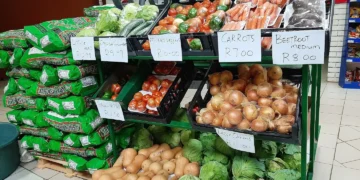
Shipments returned to South Africa are adding pressure to local markets. Supermarkets and retailers cannot absorb the sudden surplus, leading to lower prices and further financial strain on SMMEs.
Industry analysts say the Middle East accounts for about 20% of South Africa’s agricultural exports, making these disruptions particularly damaging for small and medium-sized exporters.
“For SMMEs, every day a shipment is delayed is a risk. Quick decisions and alternative market strategies are now essential for survival,” said Gale, highlighting the urgent need for flexibility.