
















































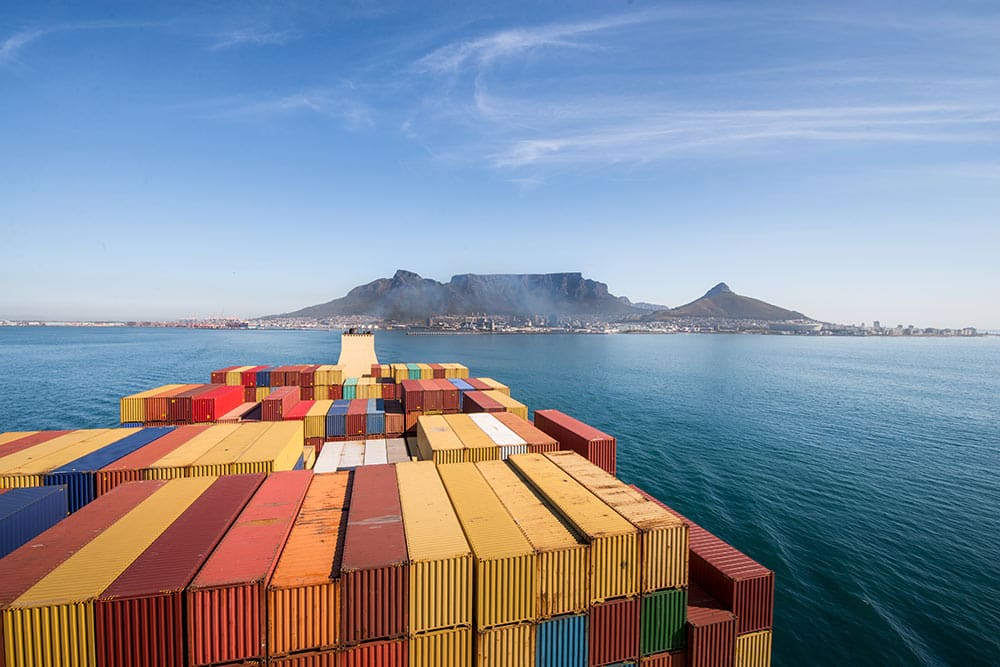
Congestion at the Port of Cape Town has forced fruit exporters to divert about 55,000 tonnes of Western Cape table grapes to ports in the Eastern Cape, driving up transport costs and putting pressure on farmers who rely on exports for income.
Industry leaders say the situation is having a direct impact on jobs, competitiveness and farming sustainability.
The Fresh Produce Exporters’ Forum (FPEF), Hortgro and the South African Table Grape Industry (SATI) say ongoing inefficiencies at key ports are driving up costs across the value chain.
“The fruit industry supports approximately 320,000 jobs. Ongoing inefficiencies at Cape Town and other ports are driving up costs, eroding competitiveness and putting these jobs at risk,” said FPEF CEO Piet de Jager.
The warning highlights growing concern in the agricultural sector, where exports remain a major source of income for farmers and rural communities.
This week, Western Cape Premier Alan Winde and Western Cape Minister of Agriculture, Economic Development and Tourism Dr Ivan Meyer welcomed Transnet’s announcement that it is requesting proposals for private sector support and expertise at the Port of Cape Town.
“The Western Cape’s exporters rely on a fully functional port. We have consistently called for reforms that improve efficiency and strengthen South Africa’s logistics network. I welcome Transnet’s decision to invite private sector investment and expertise into the Port of Cape Town,” Winde said.
“Enhancing port performance extends far beyond logistics. A more efficient port helps businesses grow, attracts investment, expands exports and creates jobs. It strengthens the Western Cape’s ability to compete globally and supports our objective of building a thriving, growing economy,” he said.
Meyer said “efficient ports are essential for economic growth. The Western Cape is a major exporting province, and our agriculture, manufacturing, fisheries and tourism sectors depend on reliable port operations to reach domestic and international markets.”
Export routes shift under pressure
SATI data shows a clear shift in export patterns during the season. The Port of Cape Town handled 76% of table grape exports, down from 90% in the previous season.
At the same time, exports through Eastern Cape ports increased from 6% to 21%. This helped keep fruit moving during peak export periods but came at a higher cost.
SATI said the diversion came at great additional cost to the industry as exporters were forced to move fruit over longer distances.
SATI, Hortgro and FPEF estimated in a joint statement that logistics-related inefficiencies cost the table grape industry about R3.2 billion, while the stone fruit sector lost around R1.05 billion in the same period.
The organisations said the fruit industry supports about 320,000 jobs, making it one of the most important employment sectors in agriculture.
Farmers feel the financial strain
Rising transport costs are reducing farmers’ profits and limiting their ability to reinvest in production.
Fresh fruit is highly time-sensitive, and longer transport routes increase the risk of delays and quality losses before reaching international markets. This affects pricing, competitiveness and export reliability.
At the same time, farmers continue to deal with rising input costs, including fuel, electricity, labour and packaging. These combined pressures are leaving many producers with tighter margins.
Industry stakeholders warn that if inefficiencies continue, South Africa could struggle to compete with other major fruit-exporting countries that offer faster and more reliable logistics systems.
A World Bank and S&P Global Container Port Performance Index ranked the Port of Cape Town as the worst-performing container port in the world, placing it 400th out of 400 ports.
While other South African ports showed improvement, including Durban, which was named the most improved port globally, industry groups say Cape Town remains the most critical concern for agricultural exports.