











































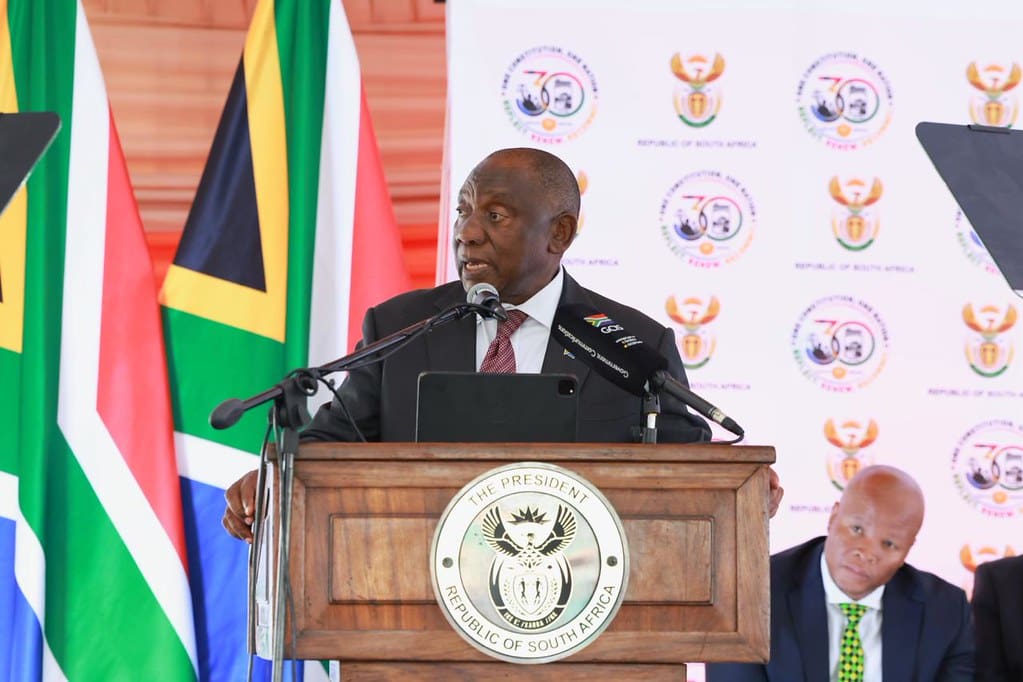
President Cyril Ramaphosa’s renewed call for South Africa’s townships to become active commercial hubs has put the spotlight back on a promise that has been on the country’s economic and political agenda for years.
During the ANC’s campaign trail in Soweto at the weekend, Ramaphosa said townships should move beyond being residential “dormitory” settlements and become centres of commercial enterprise.
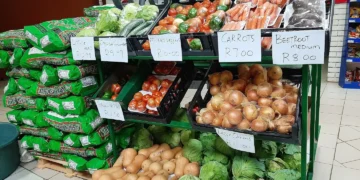
“We want to see South Africans running spaza shops,” Ramaphosa said.
But with local government elections set for 4 November, the latest business confidence data suggests that the environment in which those businesses operate remains a major concern.
The RMB/Bureau for Economic Research business confidence index fell one point to 38 in the third quarter, while 62% of businesses surveyed said they were dissatisfied with prevailing operating conditions. Respondents flagged municipal service delivery, poor infrastructure and policy uncertainty.
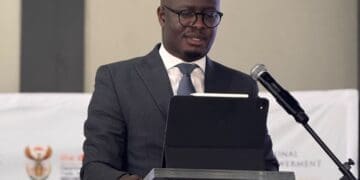
RMB chief economist Isaah Mhlanga said greater certainty around municipal governance and infrastructure delivery after the elections could improve business sentiment.
“Business confidence has stabilised, but at a level that remains too low to support the stronger investment and employment growth South Africa needs,” Mhlanga said.
For township businesses, those concerns can determine whether an enterprise can operate.
When municipal failures cost businesses
Township economic development has featured in government policies and election campaigns for years, with commitments ranging from improving infrastructure and access to finance to creating markets for township enterprises and increasing their participation in governance.
More than a decade later, however, businesses continue to deal with unreliable municipal services, regulatory requirements, crime and limited opportunities.
Water, electricity, roads, waste removal, trading spaces and licensing all influence the cost of running a small business.
Business Leadership South Africa CEO Busisiwe Mavuso has warned that failing municipalities force businesses to spend their own money to compensate for government services.
“Calling government out on these issues is not confrontation,” Mavuso said. “It is merely calling for accountability.”
For a township entrepreneur operating on thin margins, unreliable services can mean additional spending on water, electricity, security, transport or repairs.
Informal traders still fighting for space
The experience of informal traders shows how municipal policy can directly affect livelihoods.
The South African Informal Traders Forum has been involved in legal battles with the City of Johannesburg over the removal and registration of informal traders.
During the dispute, SAITF general secretary Brian Phaaloh questioned how traders who had been allocated spaces by the City could suddenly be removed.
“Our members that we are representing in court, they didn’t allocate themselves there, they were allocated by the City of Johannesburg,” Phaaloh said.
“They’ve got a contract with the City of Johannesburg.”
The dispute highlights the gap between government’s stated support for township and informal businesses and the municipal systems entrepreneurs must navigate to operate.
The latest IEC figures released in September show that 546 political parties are set to contest the 4 November local government elections.
But for businesses, the question is whether this process will translate into functioning municipalities and better operating conditions.
Dolly Rikhotso, who owns a spaza and kota shop in Lotus Gardens, Pretoria, remains uncertain.
“Will government finally carry those promises through, or are we as small businesses being used once again to bait votes? Sewage still leaks next to our businesses,” Rikhotso said.