

















































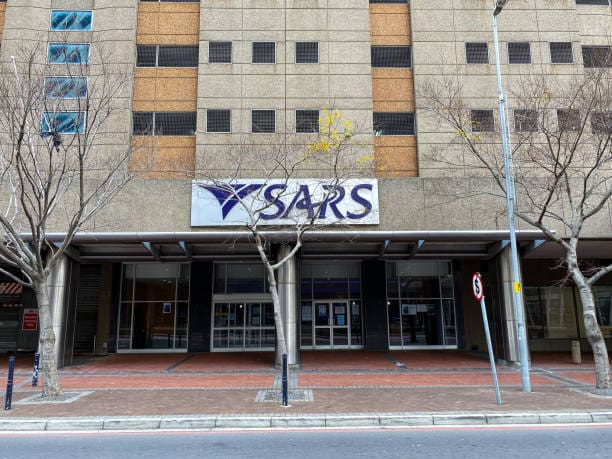
Requests for verification of bank accounts from SARS have become a nuisance for many businesses that use eFiling, particularly when they are waiting for refunds and VAT repayments or tax clearance certificates.
Verification delays are usually considered to be a tax issue; however, it is generally administrative error, such as providing incorrect banking information, and not a mistake in the tax return that is responsible. For businesses that depend on steady cash flow, these delays can seriously mess with day-to-day operations.
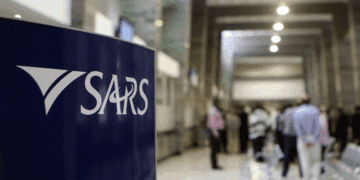
SARS has repeatedly stated that verification of bank forms is part of fraud prevention and its risk management framework. The revenue service states in its official guidance on eFiling banking details that SARS will only release refunds once banking details have been successfully verified and confirmed to belong to the taxpayer.
This requirement is no different for companies, close corporations, trusts and other registered entities and is enforced automatically where the system checks raise inconsistencies between SARS, bank and CIPC records.
Expert advises on common triggers
Tax attorney and director at Tax Consulting SA, Nerisha Baldevu said one of the most common triggers for verification is a mismatch between the registered legal name of the business and the name reflected on the bank account.
She further emphasised that even small discrepancies, such as shortened company names, omitted (Pty) Ltd designations or the use of a trading name, can cause SARS’ automated verification process to fail. “SARS’ systems are extremely literal.
If the bank account name does not match the registered entity name exactly, verification is almost inevitable,” said Baldevu.
“Incorrect or outdated banking details submitted on eFiling also frequently result in verification requests. Errors in account numbers, branch codes or account types can prevent SARS from completing electronic checks with financial institutions,” she added.
SARS spokesperson Siphithi Sibeko said SARS does not allow refunds to be paid into third-party or personal accounts, regardless of internal arrangements.
“Businesses incorrectly attempt to use personal accounts belonging to directors or shareholders. The account must legally belong to the entity reflected on SARS’ records,” said Sibeko. He also said supporting documentation is another common stumbling block, as SARS requires recent bank confirmation letters or statements clearly reflecting the business name, account number and bank branding.
Documents that are outdated, unclear or missing required identifiers are often rejected, triggering further verification requests. According to Thomas Lobban, tax practitioner and founder of The Tax Shop, most delays we see are caused by documentation issues, not non-compliance. He said Businesses underestimate how strict SARS is on format and naming consistency.
“When verification is triggered, refunds are automatically placed on hold, including VAT and provisional tax refunds,” said Lobban. “More importantly, for businesses, unresolved banking verification can delay the release of a Tax Compliance Status, which is important for tenders, licensing and cross-border transactions,” he added.
SARS confirms that verification can take up to 21 business days once all documents have been submitted, though complex cases may take longer.
Here’s SARS’ official bank account verification guide to see the checks needed before refunds and tax compliance statuses are released.
SC-DT-C-13-Refunds-and-Drawbacks-External-Policy(1)Emily@vutivibusiness.co.za