














































Plans by the City of Johannesburg to establish a fresh produce market in Soweto are being positioned as a major economic boost for township enterprises.
But informal traders warn that access alone does not guarantee higher income and that the real test will be whether it improves their profit margins.
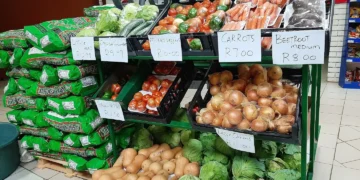
Diana Murumba who has been selling fruit and vegetables from a roadside trading spot in Soweto for the past five years, said her business depends on consistent supply and customer demand, not just proximity to wholesale markets.
She sources most of her produce from farmers in Marble Hall, Limpopo, while specialty items such as mopani worms are delivered from Botswana. Despite the distance, she says business is steady.
“We already have systems that work. Customers know our products and we get large orders. What matters most is price and quality,” Murumba explains.
Another trader, Pretty Chizanga, adds that they buy where prices make sense.
“Being closer to a market won’t automatically change our income,” Murumba explained.
City positions project as an economic growth driver
Municipal leadership argues the new market represents more than just convenience. MMC for Economic Development, Nomoya Mnisi, described the initiative as a structural intervention that could stimulate township economic activity, create jobs, and support emerging farmers and small businesses.
“This project represents a shift in how we deliver food access and economic opportunity,” Mnisi said. “By bringing market infrastructure closer to communities, we are ensuring township economies can thrive, creating spaces where local entrepreneurs and traders can grow their businesses.”
Feasibility studies are expected to determine the market’s operational model, infrastructure requirements, and long-term sustainability.
Income depends on more than proximity
For informal traders, earnings depend on three key variables: purchasing costs, transport and logistics, and customer demand. Reducing travel distance may lower expenses, but if wholesale prices remain similar or competition intensifies profit margins may not increase.
Mnisi acknowledges this indirectly, noting that the City’s goal is inclusive participation in the agricultural value chain, which supports both formal and informal market actors, including transporters, emerging farmers, and small businesses.
Informal markets in a high-unemployment economy
The proposed market comes amid persistent labour market pressure in South Africa. The official unemployment rate remains high at 31.4%, with 7.8 million people unemployed, and youth unemployment particularly severe.

In this environment, informal food trading is a vital economic lifeline, providing income where formal employment is limited. A decentralised market could lower entry barriers for new traders, create jobs in logistics, and provide more stable supply chains.
The Soweto market represents a strategic shift in township economic planning. Yet its real value will be measured not by location alone, but by whether it increases trader earnings and business stability.
basetsana@vutivibusiness.co.za