















































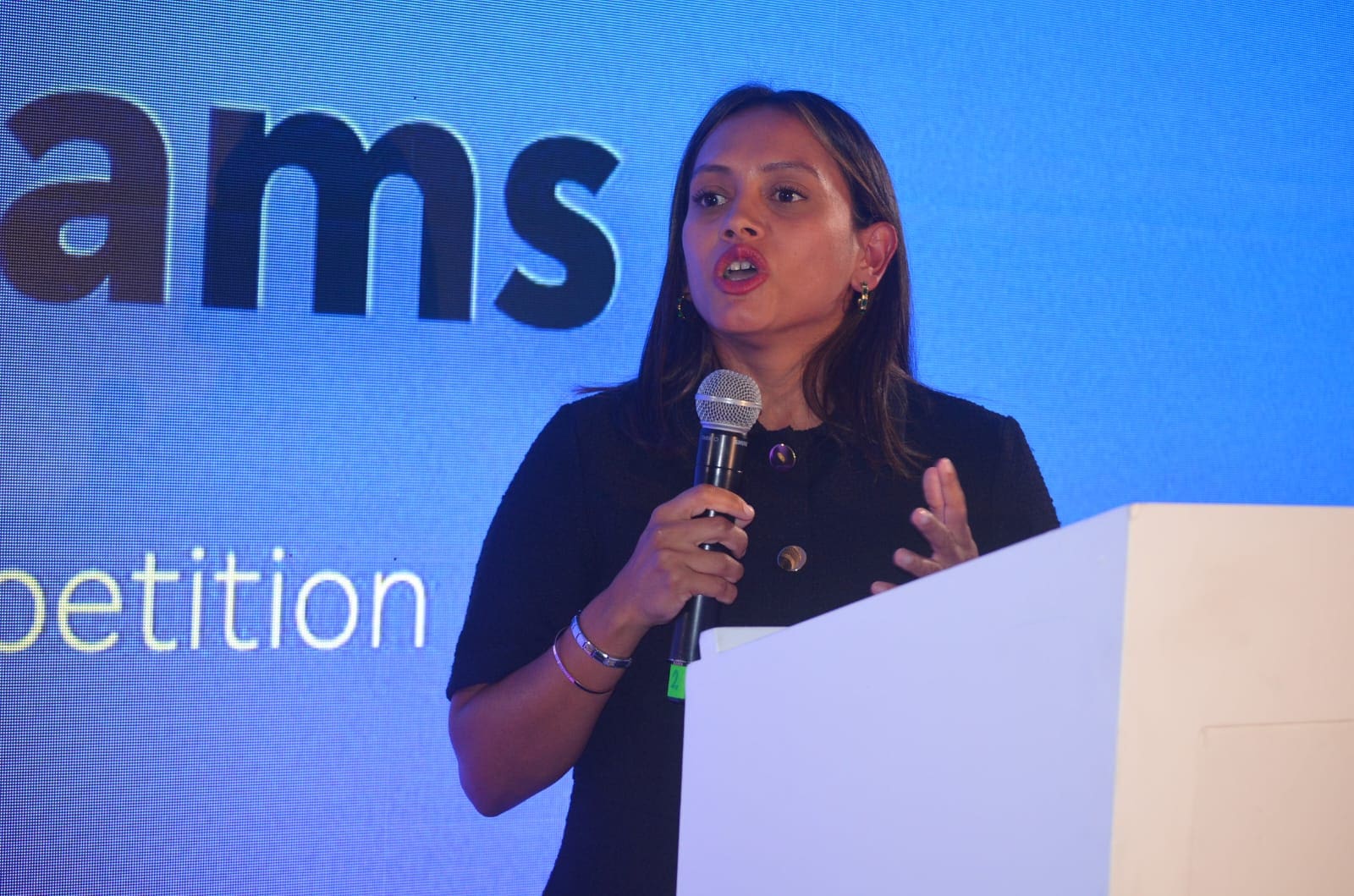
The launch of ClearScore’s South African headquarters is being viewed as a signal of confidence in the country’s digital economy, with expectations that it could improve small business access to credit.
ClearScore is a global financial technology firm that provides consumers with access to credit information and financial insights.
Speaking at the launch in Cape Town recently, Deputy Minister of Trade, Industry and Competition, Alexandra Abrahams, urged the company to deepen its local footprint and partnerships.
“ClearScore’s decision to expand its presence in South Africa is both timely and welcome. We call on the company to partner with South Africans, invest in local talent and grow its business in the country,” Abrahams said.
“The FinTech sector represents a critical intersection between financial inclusion, technological innovation and economic growth,” said Abrahams.
She positioned digital finance as a key tool for expanding access to underserved small and medium enterprises.
Persistent funding gap for small businesses
Access to finance remains a major constraint. Many remain excluded from formal credit systems due to limited, weak credit profiles and histories.
According to the International Finance Corporation, the SME finance gap in sub-Saharan Africa exceeds USD330 billion. The Small Business Institute estimates that only a fraction of small businesses access formal credit.
The FinMark Trust reports that many enterprises remain underserved despite high levels of bank account ownership.
Entrepreneurs navigating credit barriers
For small business owners, the challenge is not just access to funding, but to the financial systems that enable it.
“Banks want to see a track record that many of us simply don’t have in the early stages,” said Lerato Mokoena, founder of Rati Caters in Soshanguve. “You can have a steady cash flow, but without a formal credit profile, you’re invisible.”
Mokoena said tools that provide visibility into credit scores and financial behaviour could help entrepreneurs better position themselves when seeking funding.
According to industry analyst Koketso Mano, the entry of global players into South Africa’s FinTech space signals market maturity—but does not automatically translate into inclusion.
“FinTech can lower barriers, but it doesn’t eliminate them,” Mano said. “If products are designed for already banked users, then the people who need them most, like informal traders and township businesses, remain excluded.”
He added that the real opportunity lies in how companies adapt their models to local realities, including irregular income patterns and limited documentation.
“Credit scoring models need to evolve to reflect how small businesses actually operate in South Africa,” he said.
Policy direction and outlook
Abrahams said the government is working to create a policy environment that supports innovation while safeguarding stability and consumer protection.
“We are committed to creating a policy environment that supports innovation while safeguarding stability.”
While the expansion signals momentum, its success will depend on whether it translates into improved access to credit for small businesses.