




























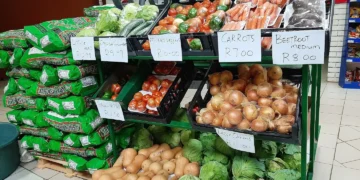


















High rentals are proving to be one of the biggest barriers for township businesses looking to grow and move into formal retail.
The Competition Commission’s Rural and Township Economy Project 2026 found that 76% of township businesses identified rental costs as a barrier to relocating to formal premises.
Among township businesses that were not interested in relocating, 61% of independent businesses and 67% of informal businesses said they could not afford formal rentals.
At the same time, 54% of independent and informal township businesses that had never attempted to relocate said they would be interested in doing so.
Rent is not the only barrier
The Commission found that the cost of premises is part of a broader set of barriers preventing township businesses from accessing formal markets.
High rental costs were identified alongside exclusivity arrangements and preferences for established national brands as factors limiting access to formal retail.
The report found that smaller businesses also face challenges in accessing supply chains, with independent and informal businesses more reliant on smaller suppliers and intermediary wholesale channels.
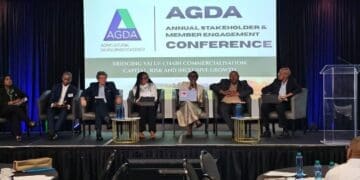
Competition Commission Chief Economist James Hodge said many informal and independent retailers want to move into formal distribution channels but are struggling to do so.
“Many independent and even informal retailers have expressed strong interest in formalising and getting access to formal distribution channels or shelf space on national retailers, including online channels as well,” Hodge said.
“Few are achieving this because of the barriers that they face.”
The cost extends beyond the rental bill
Hodge said smaller businesses can also face higher procurement prices because they operate with smaller order sizes and weaker bargaining positions.
“They are often not integrated into larger, more formal corporate procurement channels and as a result face much higher prices when dealing with smaller suppliers, smaller order sizes and weak bargaining positions,” he said.
The Commission is now looking at the difference in procurement prices between small and large businesses, according to Hodge.
Deputy Minister of Trade, Industry and Competition Zuko Godlimpi said the Commission’s findings demonstrate that township and rural enterprises continue to face barriers to participating in formal markets.
“Consumers in townships and rural areas face higher effective prices due to limited product variety and quality,” Godlimpi said.
He identified high rental costs, exclusivity arrangements and preferences for national brands as barriers that exclude township businesses from formal retail.
Godlimpi also pointed to weak compliance and infrastructure as obstacles to businesses participating in e-commerce.
His comments come as government pushes for greater participation by township and rural enterprises in the mainstream economy.
“The task before us is therefore not simply to grow the economy. We must transform the economy while growing it,” Godlimpi said.
A digital alternative still has hurdles
Online marketplaces could provide businesses with a route into larger markets without requiring them to take on the cost of a shopping-centre lease. However, the Commission found that digital market access remains limited.
Businesses cited barriers including registration requirements, limited digital knowledge and inadequate infrastructure.
The result is that businesses can face barriers at both ends. Formal physical retail can be too expensive, while digital channels can remain difficult to access.
Competition Commissioner Doris Tshepe said improving market access and reducing red tape could make it easier for township and rural businesses to grow and create jobs.
“Addressing these barriers is important for spatial transformation, local enterprise development and consumer welfare,” Tshepe said.