

















































South African cherry producers have secured access to the Chinese market for the first time, opening the door to new export opportunities in one of the world’s largest cherry markets.
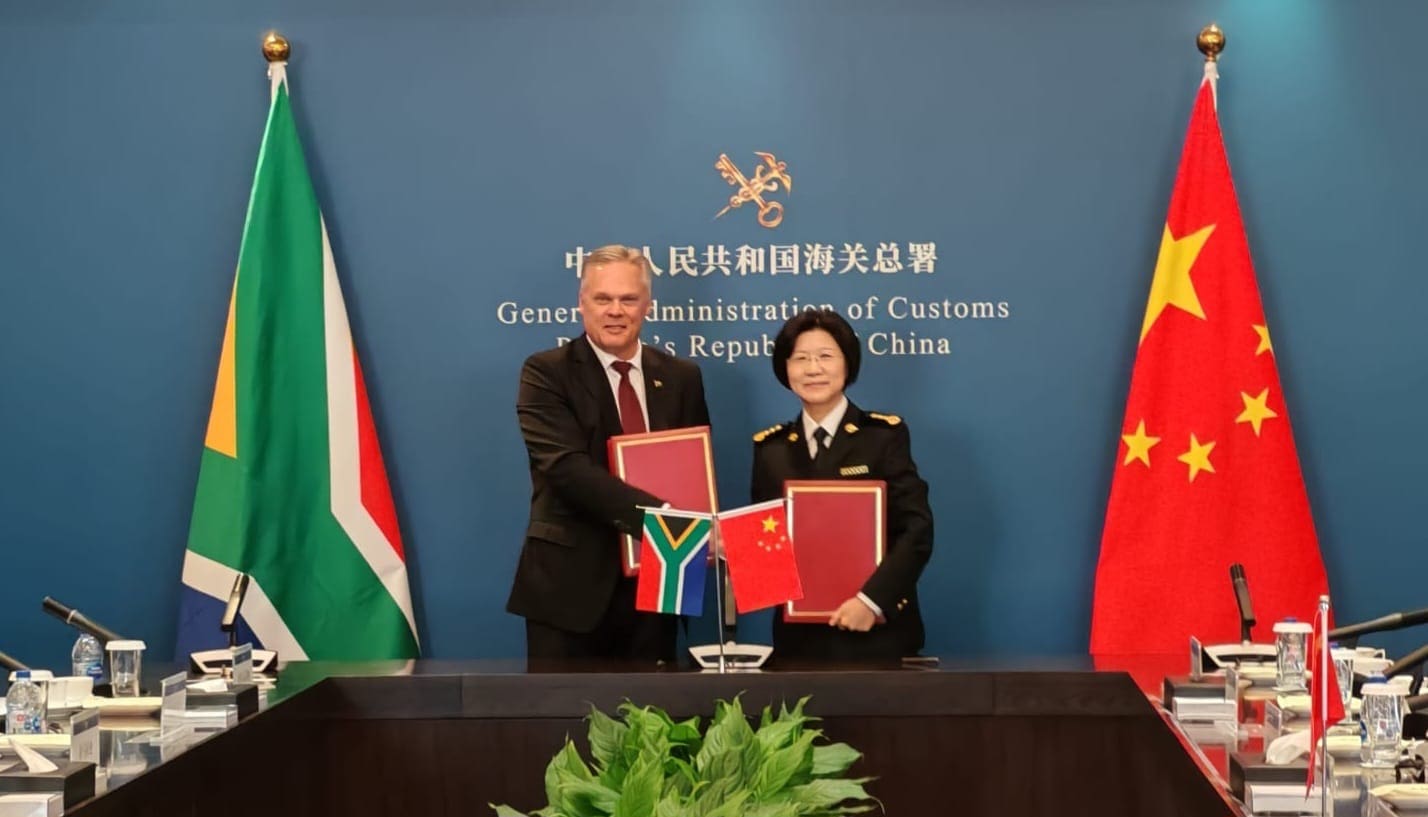
Minister of Agriculture Wille Aucamp signed the market access protocol with Sun Meijun of the General Administration of Chinese Customs (GACC) during the ninth Sanitary and Phytosanitary (SPS) Ministerial Meeting in Beijing on Tuesday.
The Department of Agriculture said the agreement represents a significant development for South Africa’s agricultural exports, particularly given China’s position as the world’s number one importer of cherries.
China imported about 586,900 tonnes of cherries during 2025, valued at approximately US$3.3 billion (R52.8 billion).
“This achievement is record-breaking as it is the first time that two market access protocols have been signed with China within a year,” Aucamp said.
The minister welcomed China’s efforts to accelerate South Africa’s market access requests for agricultural products, saying the development reflects the strength of the bilateral relationship between the two countries.
Aucamp said the cherry protocol also supports South Africa’s efforts to increase and broaden agricultural trade under the Framework Agreement on Economic Partnership for Shared Development, which provides South Africa with 0% tariff market access to Chinese markets.
Investment and job creation
Beyond creating an additional export destination for South African producers, the opening of the Chinese market is expected to stimulate further investment in domestic cherry production.
According to the department, the increased market opportunity could result in about 600 new jobs as production expands.
The development comes as the government continues to prioritise inclusive economic growth and employment creation through greater participation in international markets.
Aucamp also met with representatives of Chinese fruit importers at the South Africa-China Fruit Trade Business Forum, organised by FruitSA, providing an opportunity to engage directly with potential buyers in the newly opened market.
The minister’s discussions in China have also focused on strengthening cooperation on agricultural biosecurity, including foot-and-mouth disease, while identifying further opportunities to expand South African agricultural exports.
Blueberries next?
The cherry agreement could be followed by another major breakthrough for South African fruit producers, with negotiations to secure Chinese market access for South African blueberries at an advanced stage.
China has already submitted a draft protocol for the import of South African blueberries.
Aucamp has instructed the South African negotiating team to fast-track its inputs and negotiations, with the aim of finalising the blueberry protocol before the end of the year.
“There is more to come between South Africa and China now that the negotiations to grant market access for South African blueberries to China are at an advanced stage,” Aucamp said.
For South Africa’s fruit industry, securing access to both the Chinese cherry and blueberry markets could broaden export opportunities and support further investment in agricultural production.