








































South Africa’s tourism small businesses are beginning to feel the early effects of escalating tensions in the Middle East, with some operators reporting cancellations and slower international bookings.
Industry players say these developments are influencing traveller confidence, particularly among international markets, and could have broader implications if uncertainty persists.
Early signs in international markets
Federated Hospitality Association of South Africa (FEDHASA) national chairperson Brett Tungay said the overall impact remains limited for now, but certain high-end international segments are showing early shifts.
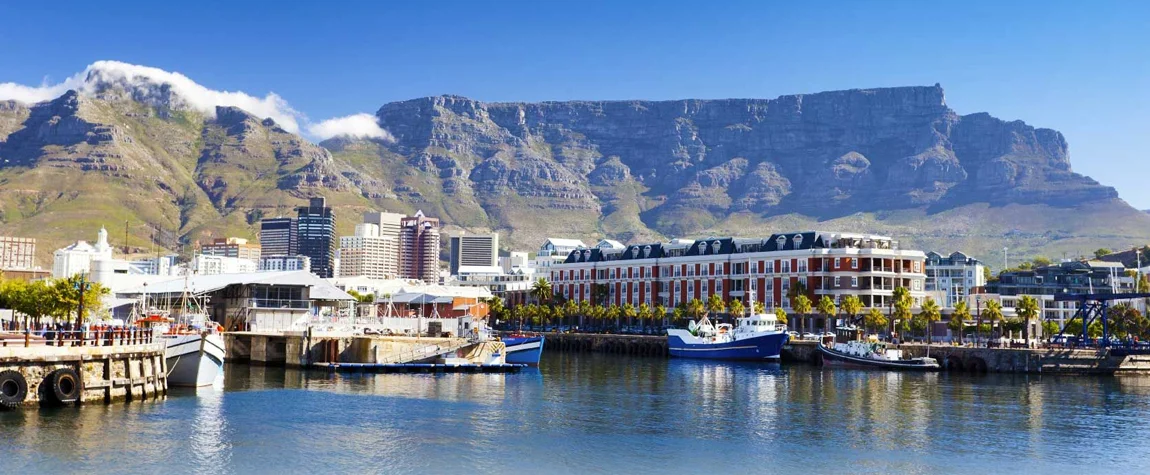
“Cape Town is seeing an effect only in the high-end markets, travellers coming in from Asia and Europe. The American market has not been affected,” Tungay told Vutivi Business News.
In Johannesburg, some business travel from European markets has been affected, although domestic tourism remains stable.
“There is no effect on the domestic market at this stage. This could change after the fuel hike, but South Africans are used to high fuel prices,” he explained.
Cancellations and traveller caution
Some tourism SMEs report tangible disruptions. Mfundo Ngcangca, owner of Shepherd Tourism Tours, said his company recently lost a booking from four Indian tourists who had planned to visit the Kalahari in early March 2026.
“Shepherd Tourism Tours experienced a big loss from four Indian tourists who wanted to visit the Kalahari from 10 to 13 March 2026. This caused major disruptions to my business,” Ngcangca said.
He highlighted that airport disruptions and heightened caution among international travellers have contributed to slower bookings.
“Airports are in chaos, with long queues, and tourists are afraid to take a risk, resulting in limited bookings,” he added.
Ngcangca further explained the broader economic implications.
“The Strait of Hormuz is strategically critical, with roughly a fifth of the world’s oil supply passing through it. Disruption affects oil prices, global trade routes, shipping insurance, and investor confidence.”
Rising airline fuel costs
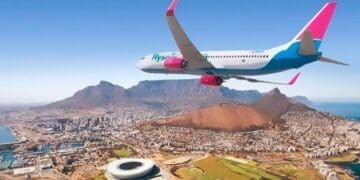
The aviation sector is already responding to rising fuel costs. South African airline FlySafair announced a temporary fuel surcharge after Jet A1 prices at coastal airports surged approximately 70% within a week following the conflict.
“The persistence and scale of these fuel costs have left us with no reasonable alternative. We will be specifically itemising this temporary dynamic fuel surcharge on all tickets to ensure fairness and transparency to our customers,” said Kirby Gordon, Chief Marketing Officer at FlySafair.
The surcharge will apply to flights departing on or before 12 May 2026 and will be reviewed depending on jet fuel price movements. Industry observers warn that higher fuel costs typically translate into increased airfares, which may dampen leisure travel demand.
International booking momentum slows
Tourism operators outside major cities are also seeing a slowdown. In Limpopo, Akesa Mokhare, Marketing manager at Fumani game lodge said some international confirmations have slowed despite marketing efforts such as the India Roadshow and Meetings Africa.
“There has been a noticeable slowdown in confirmations from certain international markets, with a few tentative bookings either delaying their travel plans or cancelling,” Mokhare said.
While domestic tourism remains stable, Mokhare noted that global uncertainty affects long-term planning.
“Exchange rate fluctuations, airline route adjustments, and cautious travel spending can influence bookings for hospitality businesses like ours.”
SMEs focus on resilience
Tourism operators are adopting strategies to remain resilient. Ngcangca emphasised crisis preparedness.
“As a tour operator, we are focusing on developing a crisis management plan that outlines how to respond to unexpected challenges, including political unrest or global disruptions.”
Tour guide Gedion Mokwena said he has not yet experienced direct disruption but stressed diversification. “Diversifying offerings and promoting local experiences will help tourism businesses remain resilient during global conflicts,” he said.
Sector watches global developments
Industry experts caution that the full impact will depend on how long global oil markets remain volatile and whether higher fuel costs affect international travel. For now, SMEs remain cautiously optimistic but continue to monitor developments that could influence air travel, visitor flows, and the broader outlook for South Africa’s tourism sector.
“Businesses are navigating an unpredictable environment, but those that plan ahead, diversify offerings, and remain flexible are more likely to weather global uncertainties,” Tungay said.
Related content:
https://news.flysafair.co.za/2026/temporary-fuel-surcharge/