








































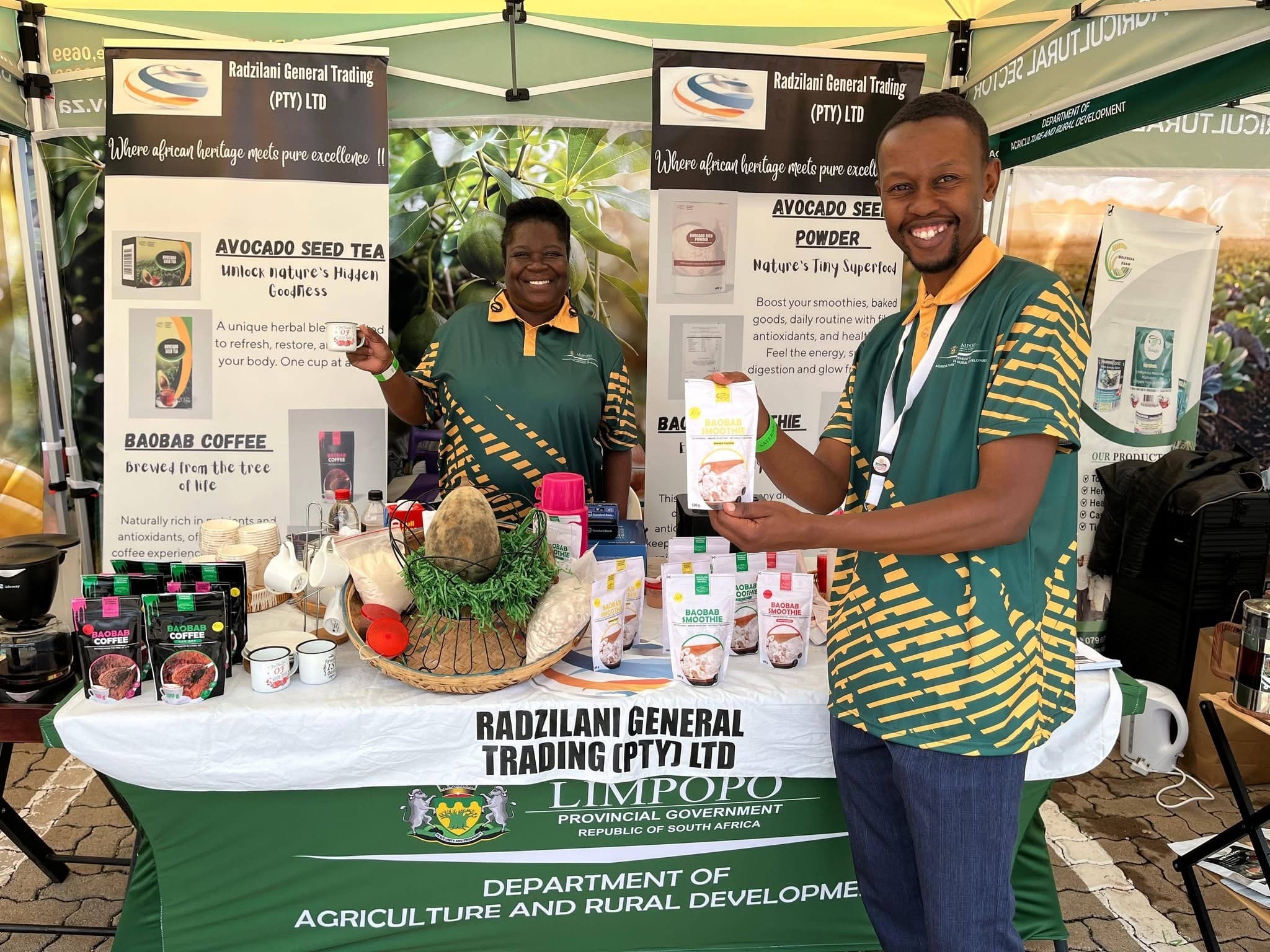
Farmers and smallholder businesses across Limpopo seized new opportunities at AgriHX 2026, using the three-day expo to showcase products, connect with buyers, and explore innovations that strengthen food security and rural livelihoods.
The 2026 AgriHX 2026, held from 19 to 21 March at The Ranch Resort in Polokwane, brought together smallholder farmers, agri-businesses, and innovators from across the province, creating a platform for networking, business growth, and sustainable agricultural practices.
The event highlighted Limpopo’s strategic focus on commercialisation, food security, and rural development.
Premier Phophi Ramathuba who officially opened the expo highlighted that “farming is not just about producing food, it is central to our province’s economy and the security of our communities.”
Showcasing products and solutions
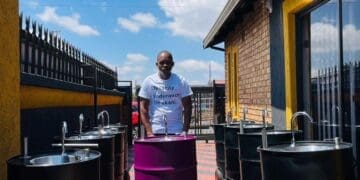
Among the exhibitors was BBM Agri, a cooperative founded in 2014 by eight unemployed members under the Ga-Phadi Communal Property Association.
The cooperative produces lucerne animal feed, cleaning detergents, and skincare products, focusing on supporting livestock farmers during winter when grazing land is scarce.
“Our animal feed helps farmers during winter when grazing land is dry and there is not enough food for livestock,” said Kagiso Mphela of BBM Agri.
“This expo allows us to reach new customers and demonstrate our products, helping us grow our business while supporting food production in the region.”
Mphela also highlighted challenges such as ISO certification requirements, compliance hurdles, and flood-related damage to irrigation equipment, but noted that events like AgriHX provide crucial exposure and opportunities for business growth.
Emerging farmers gain exposure
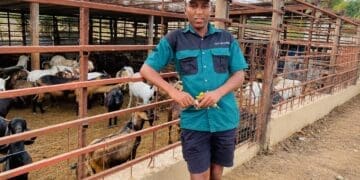
Ntsako Ebenezer Malungane, founder of Xihluke Farms in Molejie Ga-Manamela, also participated, showcasing free-range pork.
Malungane runs a mixed farming operation including poultry, piggery, beef, small stock, and crop farming. His journey began at age 12, raising chickens in a backyard setup, and he gradually expanded with municipal and private support.
“The biggest challenge I face is securing a stable market for products like poultry and pork,” Malungane said.
“The expo has given me networking opportunities, exposure, and the chance to connect with new buyers, which directly supports my contribution to local food production.”
The event also offered participants access to modern farming technologies, climate-smart solutions, and digital agricultural tools, equipping them with practical skills and resources to enhance productivity, efficiency, and market access.
Building a resilient agricultural sector
AgriHX 2026 highlighted the importance of collaboration between government, smallholder farmers, and SMEs in building a resilient and sustainable agricultural economy. Workshops, mentorship, and technology demonstrations enabled participants to increase production, secure markets, and reduce dependence on emergency food aid, strengthening both household livelihoods and provincial food security.
“Events like AgriHX are not just exhibitions, they are opportunities to innovate, grow, and ensure a food-secure future,” said Mphela.
By combining practical support, innovation, and market exposure, the expo equipped farmers and SMEs with actionable strategies, new partnerships, and tools to enhance production, profitability, and resilience, reinforcing Limpopo’s commitment to sustainable agriculture and a food-secure future.