
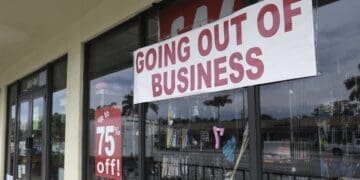









































The temporary R3 per litre fuel levy reduction, which came into effect on 1 April 2026 and will run until 5 May, provides short-term relief for businesses and consumers facing steep fuel prices. But many small business owners and farmers say the measure is not enough to ease ongoing pressure from high fuel costs and localised shortages, which continue to strain operations across transport, logistics, and agriculture.
The levy cut was announced by Finance Minister Enoch Godongwana in consultation with Mineral and Petroleum Resources Minister Gwede Mantashe.
Petrol levies drop from R4.10 to R1.10 per litre, and diesel from R3.93 to R0.93 per litre for the month, costing the National Treasury an estimated R6 billion in foregone revenue, which it plans to recoup within the existing fiscal framework.
Authorities say fuel stocks are sufficient, attributing recent shortages to panic buying and localised distribution challenges, but experts warn that diesel, the backbone of the economy remains at risk of tighter supply if global conditions worsen.
R3 fuel relief not enough for small businesses
“Honestly, the R3 cut sounds good on paper, but when diesel is still above R25 per litre and some stations run out, it barely changes our monthly costs,” said Thabiso Buda, owner of a delivery services company in Philip Nel Park in Tshwane. “We still struggle to keep prices affordable for customers and maintain our profit margins.”
“Even with the fuel levy cut, petrol is still expensive, and sometimes it’s not even available when I need it. Most of my income goes to filling the tank. Passengers pay the same fares, but my costs don’t go down,” said Brian Maswanganyi a ride-hailing driver with Uber and Bolt in Mamelodi.
Small catering businesses are feeling similar pressure.
“These fuel ups and downs are really straining our business. We hardly see any profits,” said Gloria Khosa, owner of a small catering service in Pretoria west.
“Even with the R3 reduction, we still have other costs like electricity, ingredients, and delivery expenses. It barely eases the burden, especially when fuel is unpredictable and sometimes unavailable. Planning deliveries has become a daily challenge.”
Higher diesel costs also affect trucks, farm machinery, and backup generators, slowing logistics, agricultural production, and exports.
Experts warn that as global tensions persist, diesel availability may tighten further, adding strain to SMEs and farmers alike.
Union and agriculture sector welcome temporary relief
The Motor Industry Staff Association (MISA) welcomed the fuel levy reduction, saying it softens the impact of the sharpest fuel price hike in South African history.
“Workers are crushed by the rising cost of fuel and electricity. Families are forced to choose between commuting to work, putting food on the table, and keeping the lights on. This is unsustainable,” MISA CEO Martlé Keyter said.
The agriculture sector also welcomed the temporary fuel levy relief, highlighting fuel’s critical role in production, irrigation, harvesting, and logistics.
AgriSA and Agbiz noted that fuel accounts for 12–18% of farming input costs, and the levy cut could help limit short-term food price increases. However, the organisations cautioned that farmers still face rising input costs, supply constraints, and operational uncertainty, with fertiliser which makes up 35–50% of production costs under pressure due to global supply disruptions.
They noted that the fuel levy reduction should be part of a broader strategy, including more frequent fuel price reviews, greater transparency on national fuel stock levels, a temporary reduction in the Road Accident Fund levy, and extending diesel rebates for primary producers to 100%.
“These measures help ensure pricing reflects actual conditions and reduce incentives for panic buying,” AgriSA and Agbiz said.