















































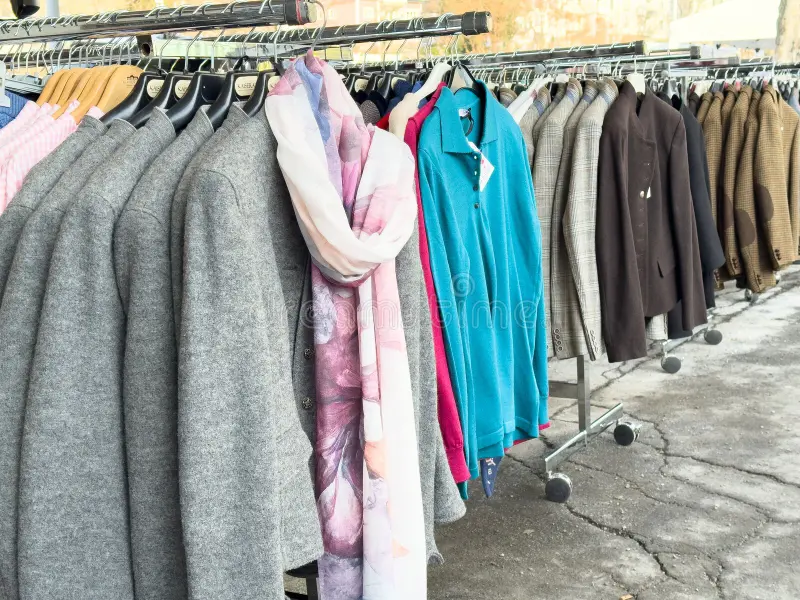
Winter demand is creating new sales opportunities for small traders, with businesses reporting increased activity in warm clothing, hot food and household essentials.
Retail analysts say this shift is not unusual, but part of a broader seasonal pattern where consumer spending moves towards essential goods during colder months.
Steven Heilbron, CEO of Capital Connect, said retailers must adapt quickly to seasonal changes if they want to remain competitive.
“Retailers that want to grow and thrive need to maximise their opportunities during every season, even those that are traditionally quieter trading periods,” he said.
He added that innovation is essential during winter when consumers spend more time indoors and shift their buying behaviour.
“To win market share at a time of the year when there aren’t many big holidays and when people are staying indoors, they’ll need to be innovative to move the needle,” he said.
As winter approaches, small businesses and informal traders across South Africa are preparing for increased demand for seasonal goods, with many expecting stronger sales from winter-related products such as clothing, hot food and household essentials.
The seasonal boost comes at a time when South Africa’s labour market remains under pressure, with about 8.1 million people unemployed and an estimated 301,000 jobs lost between January and March 2026, pushing the unemployment rate to 32.7%. Against this backdrop, many households continue to rely on informal trading for income and survival.
Traders say winter often brings a noticeable increase in customer activity as consumers prioritise warmth, comfort and affordability during colder months. Traders have already started stocking winter goods in preparation for higher demand.
Seasonal demand lifts winter trading
Small traders say winter remains one of the busiest trading periods, especially for businesses selling clothing, hot food and household essentials.
However, traders say rising transport costs, electricity expenses and stock prices continue to affect profit margins, even during periods of stronger customer demand.
In Pretoria West, trader Ayanda Ntombela, who sells winter combo packages, said bundled winter deals are becoming increasingly popular as consumers look for affordable ways to stay warm.
Her business focuses on winter comfort packs that include blankets, gowns, slippers and hot water bottles sold together as a complete set.
“Winter is when people focus on staying warm at home without spending too much. That is why combo deals usually perform better than summer sales,” she said.
Ntombela added that customers prefer buying bundled products because they are practical and more cost-effective than purchasing individual items separately.
Second-hand clothing trader Fundile Thobela-Hlatshwayo, who supplies winter clothing stock in bulk to resellers, said demand for seasonal apparel has increased significantly ahead of winter.
“Sales are the best right now,” she said.
She said coats, trench coats, hoodies, trackpants, polonecks, socks and children’s jackets are currently among her fastest-selling items as buyers prepare for colder weather.
“These are my hot sellers at the moment because people are preparing for winter,” she said.
At Bosman taxi rank in Pretoria, food vendor Maria Ndlovu said winter weather usually increases demand for hot food and beverages among commuters.
“When it is cold, people want something warm and filling before work or travelling. Coffee and fat cakes sell much faster during winter,” she said.
Ndlovu added that winter mornings are often her busiest trading periods as commuters look for quick and affordable meals before travelling to work.
Retail trends support seasonal opportunity
Retail analysts say winter is not a weak trading period but a shift in consumer spending patterns.
Research commissioned by fintech company Capital Connect shows that retail sales often rise in winter as consumers focus on essential goods such as food, clothing and heating products.
The data shows that general dealers benefit from increased demand for hot beverages, soups, winter clothing, blankets and small appliances like heaters and toasters.
Clothing retailers see stronger demand for winter essentials such as hoodies, boots and warm sleepwear, while food retailers benefit from increased spending on warm meals and ingredients.