














































South Africa has secured a US$150 million (about R2.7 billion) development policy loan from the OPEC Fund for International Development at a time when failing freight systems, port congestion and logistics delays are placing mounting pressure on businesses and limiting economic growth.
The loan agreement, announced by National Treasury, marks the first financing partnership between South Africa and the OPEC Fund. The OPEC Fund is a globally mandated development institution that provides financing from member countries to non-member countries exclusively.
Treasury said the funding would support reforms aimed at improving the “efficiency, resilience and sustainability” of infrastructure services, particularly in the energy and freight transport sectors.
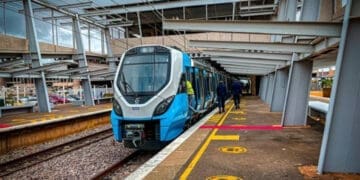
The announcement comes as businesses continue warning that infrastructure failures are becoming one of the country’s most damaging economic risks. While load shedding has eased compared to previous years, freight rail disruptions, port delays and transport bottlenecks continue affecting exports, supply chains and SME profitability.
Freight failures continue squeezing SMEs
Treasury said the funding would support structural reforms critical to economic growth, service delivery and investment confidence. Finance Minister Enoch Godongwana said infrastructure reform remains central to improving South Africa’s economic competitiveness and operational efficiency.
“Efficient infrastructure systems are critical for economic growth, investment attraction and improving service delivery outcomes,” Treasury said in its announcement accompanying the loan agreement.
But SMEs operating across logistics, manufacturing and agriculture say operational conditions remain difficult. Thabani Motsweni, founder of Gauteng-based logistics SME Apex Corridor Solutions, said smaller firms are carrying the heaviest burden from delays across freight systems and ports.
“Large corporates can sometimes absorb delays or reroute shipments, but SMEs don’t always have that flexibility. Every delay means higher fuel costs, storage costs and operational pressure,” Motsweni said.
He added that many businesses are becoming frustrated by repeated reform announcements without visible operational improvements. “We’ve heard reform language for years. What businesses want now is shorter turnaround times, more reliable freight movement and lower operating pressure,” he said.
Red Sea crisis exposes missed opportunity
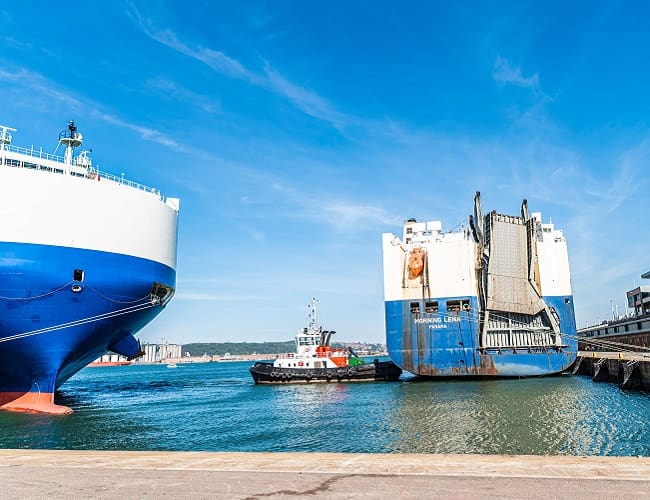
The loan announcement also comes as global shipping patterns increasingly favour the Cape route due to instability in the Red Sea. The rerouting of vessels around the Cape of Good Hope should theoretically position South Africa to benefit from increased maritime traffic and logistics activity.
However, economists and freight industry stakeholders argue that inefficiencies at local ports continue preventing the country from fully capitalising on the opportunity.
Delays at ports, equipment shortages and operational bottlenecks have repeatedly raised concerns about South Africa’s competitiveness as a regional trade gateway. For SMEs operating within export supply chains, the consequences are becoming increasingly costly.
Nolitha Vabaza, owner of Eastern Cape-based agricultural exporter Green Reach Produce, said infrastructure reliability is now directly tied to business survival.
“When exporters can’t move products efficiently, small businesses lose credibility with buyers. International clients don’t always care why shipments are delayed. They just move to more reliable suppliers,” she said.
Pressure shifts from funding to implementation
National Treasury said the loan forms part of government’s broader strategy to diversify funding sources while securing more favourable repayment conditions than conventional market borrowing. The financing package includes a six-year maturity period, a two-year grace period and an interest rate linked to the six-month Secured Overnight Financing Rate plus 1.25%.
But economists warn that infrastructure financing alone will not resolve operational weaknesses unless implementation improves significantly across freight and logistics systems.
For SMEs already operating under rising costs and weak economic conditions, the success of the OPEC-backed reforms may ultimately determine whether South Africa strengthens its position as a competitive trade gateway or continues losing economic opportunities to more efficient logistics markets elsewhere.