




























The Department of Small Business Development has increased funding limit of the Township and Rural Entrepreneurship Programme from R1 million to R3 million.
This comes after the disbursement of more than R829 million to over 111,000 MSMEs during the previous financial year. The programme has now been allocated R710 million for 2026/27.
Additional allocations include R314.3 million for business infrastructure support, R215 million for the Asset Assist Programme and R53.5 million for informal micro-enterprises.
The government has also announced several targeted funding interventions, including a R300 million women’s enterprise fund, a R300 million youth entrepreneurship fund and a R300 million innovation fund aimed at commercialising scalable business ideas.
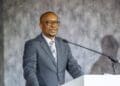
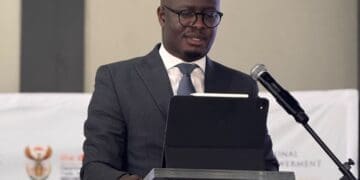
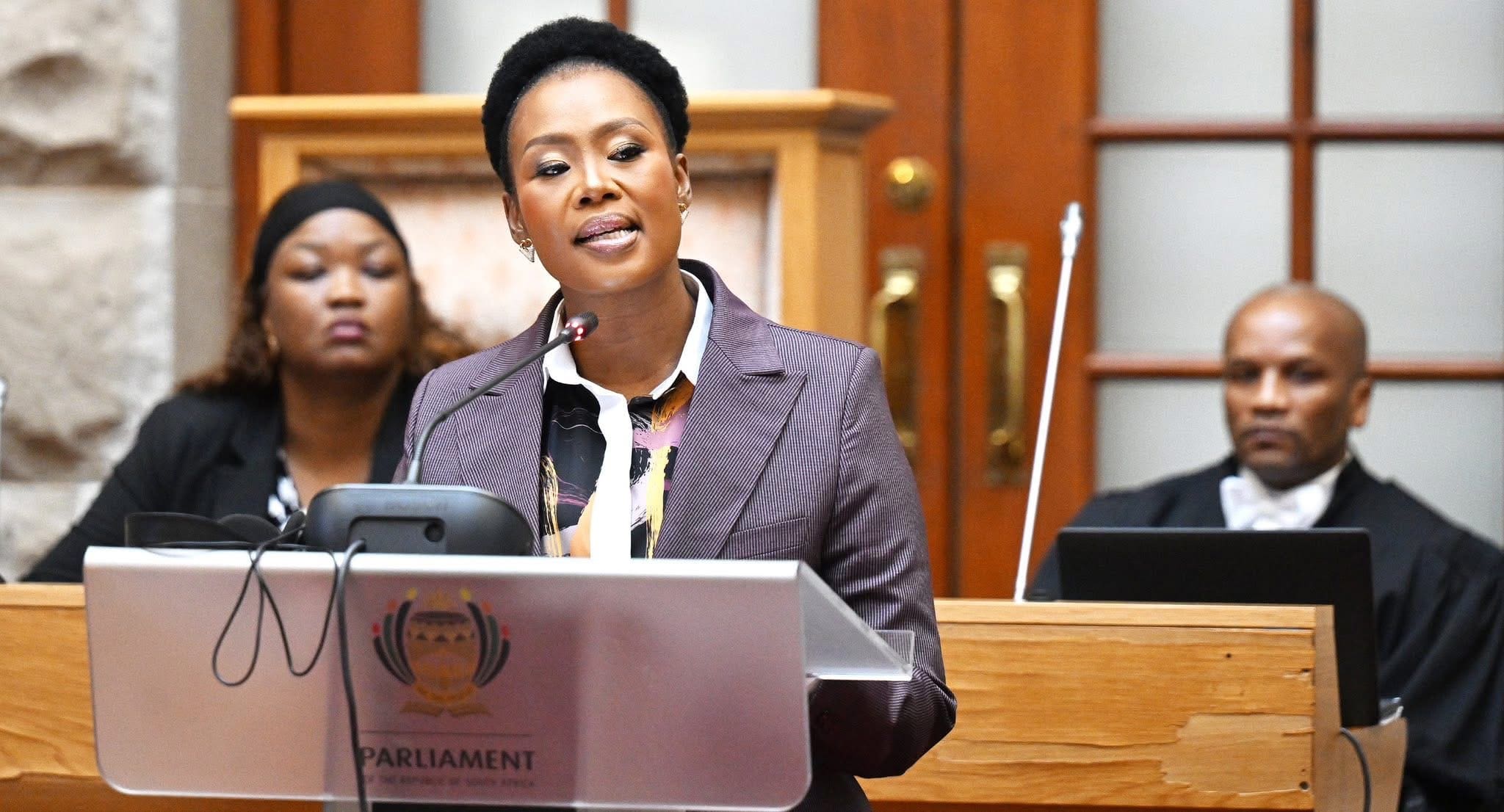
Minister of Small Business Development, Stella Ndabeni-Abrahams said the interventions are intended to strengthen local economic participation and help businesses withstand global economic uncertainty, supply chain disruptions and rising operational pressures.
Ndabeni-Abrahams announced that the department will introduce a one-stop digital business licensing platform this year while rolling out OneSEDFA, an integrated digital platform aimed at improving turnaround times and tracking funding applications in real time.
The department also plans to formalise 11,000 informal businesses during the current financial year while expanding entrepreneurship training and business development support.
The department unveiled a R3.036 billion budget for small business development, placing SMEs at the centre of South Africa’s economic growth strategy as entrepreneurs increasingly demand faster funding approvals, reduced bureaucracy and more reliable infrastructure support.
Tabling Budget Vote 36 in Parliament, Ndabeni-Abrahams said government plans to support one million SMEs and co-operatives arguing that they remain critical to employment creation and economic transformation.
“The evidence is clear; small enterprises are the largest employer in this economy. They are the entry point into economic participation for the majority of South Africans. They are where first-generation entrepreneurs build generational wealth,” Ndabeni-Abrahams said.
The department said 288,123 SMEs were supported during the past financial year, with 117,134 enterprises receiving financial support and 170,989 benefiting from non-financial interventions.
But while government announced expanded funding programmes and new financial interventions, many entrepreneurs say the operating environment for SMEs remains extremely difficult.