














































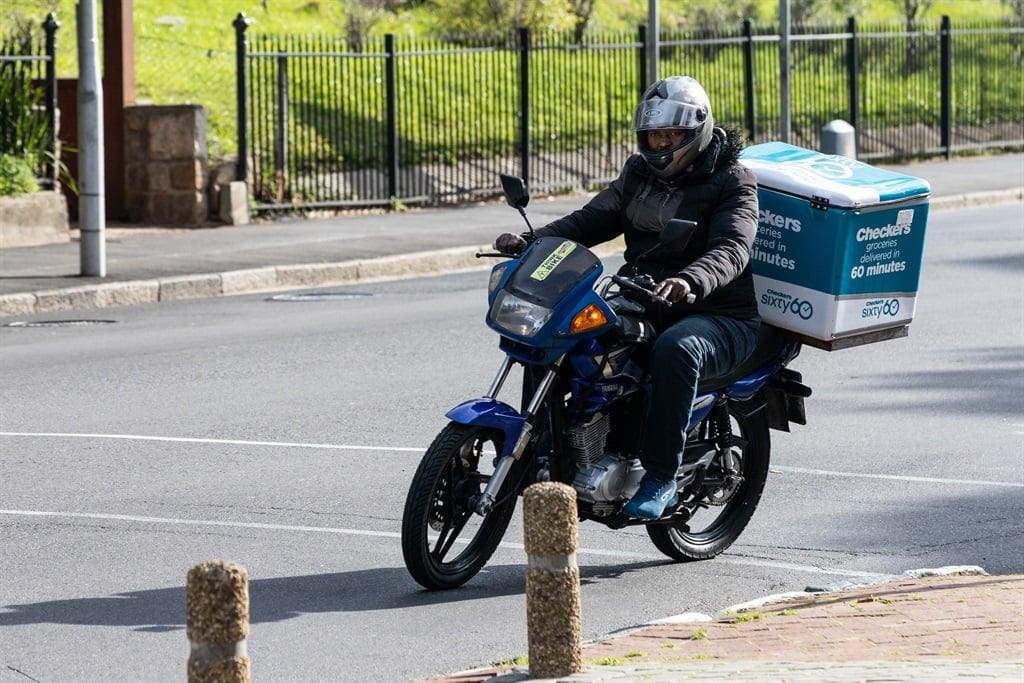
The South African Motorbike Delivery Association (SAMDA) has launched its Mass Rider Recruitment and Registration Programme, an initiative aimed at recruiting, training and registering unemployed youth for the country’s expanding delivery economy.
While the programme is expected to create employment opportunities, industry stakeholders say its long-term success will depend on whether riders can eventually build businesses of their own.
“South Africa needs more than delivery workers; we need delivery entrepreneurs,” said SAMDA President Mpho Mokoena.
“The objective is to professionalise the industry by training riders, improving road safety and helping participants become recognised professionals. We also want to create pathways for riders to grow into fleet owners and logistics business operators,” said Mokoena.
Delivery has become a business necessity
The rapid growth of online retail and app-based services has transformed delivery from a convenience into a core business function. Small businesses that once relied entirely on walk-in customers now generate a growing share of their income through deliveries.
Restaurants depend on riders to maintain customer satisfaction, pharmacies use them for same-day medicine deliveries, while independent retailers increasingly offer home delivery to compete with larger chains.
Bonke Dumisa who owns a fast-food shop in Tembisa, Gauteng, said South Africa’s logistics sector continues to create new opportunities for entrepreneurs.
“The delivery economy is becoming an important part of modern commerce. Businesses need reliable logistics partners, and that creates opportunities for small enterprises that can offer dependable, professional delivery services,” Dumisa said.
He said formalising the sector through training and registration could improve confidence among businesses looking for reliable delivery partners.
Can riders become business owners?
For many young people, becoming a delivery rider provides immediate income, but business development specialists argue that the greatest opportunity lies beyond daily deliveries.
Experienced riders can establish courier companies, manage motorcycle fleets, employ additional riders and secure contracts with retailers, restaurants and government institutions.
A motorbike rider, Mpho Sithole from Mamelodi, said programmes like SAMDA’s should focus on entrepreneurship from the beginning.
“One motorcycle creates one income. Ten motorcycles create a business. The real success of this programme should be measured by how many riders eventually become employers,” Sithole said.
He said access to finance remains one of the biggest obstacles.
“Buying motorcycles, paying insurance, maintaining vehicles and managing fuel costs require capital. Without financial support, many riders will struggle to move beyond earning a daily wage,” he said.
While delivery work offers flexible employment, labour economists warn that riders often face rising fuel prices, maintenance costs, inconsistent earnings and limited employment benefits.
These challenges have fuelled debate over whether the growth of app-based delivery services creates sustainable livelihoods or simply expands the gig economy.