













































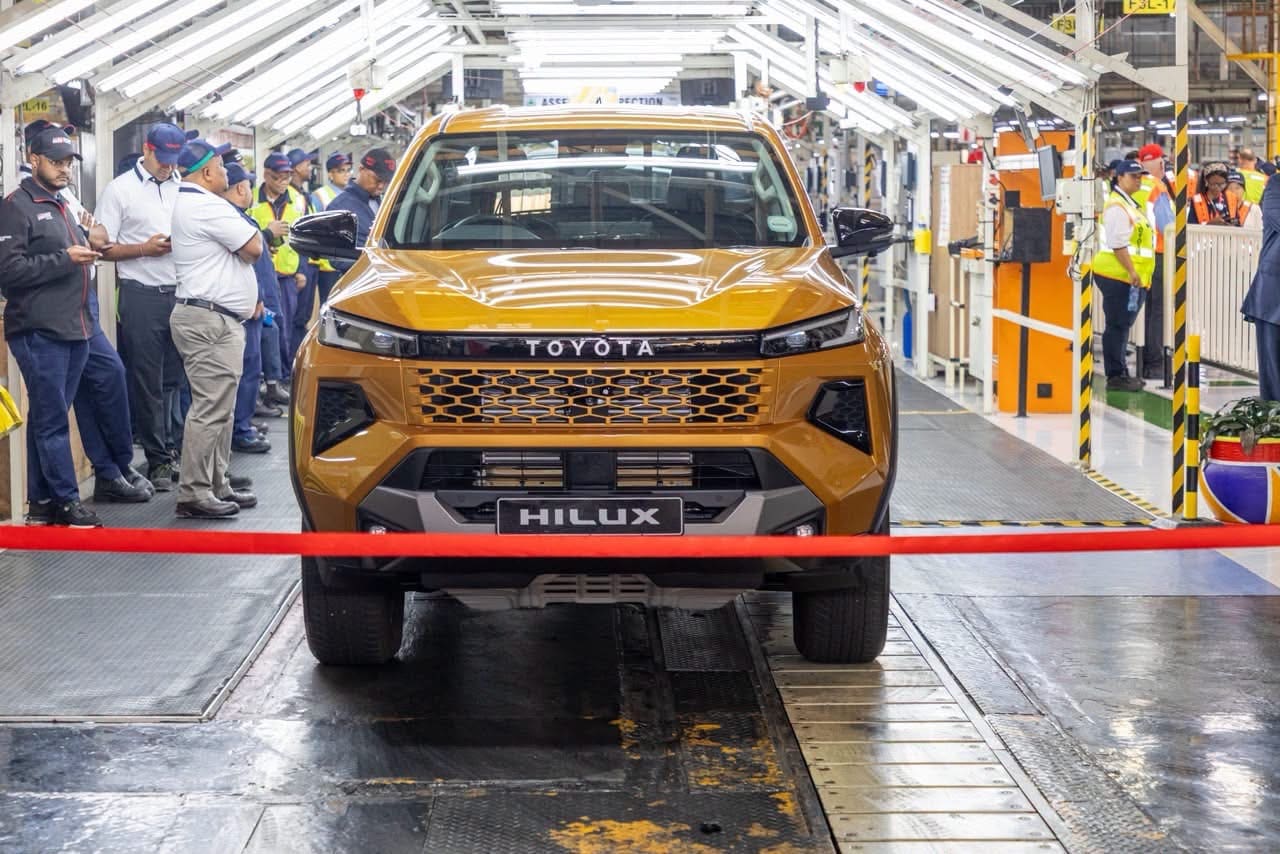
Minister of Trade, Industry and Competition Parks Tau says Toyota South Africa Motors’ (TSAM) R10.4 billion investment in the production of its ninth-generation Hilux will strengthen local manufacturing, improve export competitiveness and create new opportunities for small businesses operating in the country’s automotive value chain.
Speaking during the official line-off ceremony of the new Hilux at Toyota’s Prospecton plant in Durban on Thursday, Tau said the investment reinforces South Africa’s position as a leading automotive manufacturing hub while supporting government’s drive to industrialise the economy through investment-led growth.
He said the project demonstrates continued investor confidence in South Africa’s industrial sector and highlights the importance of strong partnerships between government and the private sector.
“Toyota’s R10.4 billion investment reinforces South Africa’s position as a leading automotive manufacturing hub and demonstrates continued investor confidence in the country’s industrial sector. The investment will strengthen local manufacturing capacity, enhance export competitiveness, and contribute to economic growth and job creation,” Tau said.
Investment to strengthen local suppliers
The investment is expected to benefit businesses beyond Toyota’s production plant by expanding opportunities for companies that manufacture components, provide logistics services and supply equipment to the automotive industry.
Toyota said the Hilux programme currently supports 101 Tier One suppliers, generates more than R15 billion in annual supplier spending, sustains nearly 27,000 jobs across its supplier network and directly employs more than 4,300 people at its Prospecton manufacturing plant.
To expand local production, R3.2 billion of the investment has been allocated to supplier development, tooling and localisation. Toyota’s supplier companies have also invested a further R2 billion to increase production capacity and strengthen their manufacturing capabilities.
Toyota South Africa Motors President and CEO Andrew Kirby said the investment reflects the company’s long-term commitment to South Africa.
“The ninth-generation Hilux is not simply the next Hilux. It is the next chapter in South African manufacturing. Every new generation presents an opportunity to elevate our technology, strengthen our supplier base, deepen localisation, develop our people and improve the competitiveness of our operations,” Kirby said.
He added that Toyota’s investment extends beyond vehicle production by supporting suppliers, creating jobs, developing skills and strengthening the broader industrial ecosystem.

Boosting exports and manufacturing
Toyota has completed more than 77% of the investment programme and has started pilot production of the new-generation Hilux. The programme is expected to be completed by June 2027.
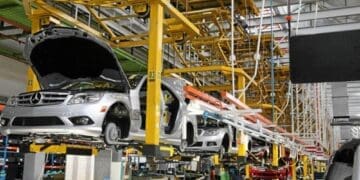
The investment includes a new 29,300m² logistics centre, a chassis frame coating facility, advanced robotics and manufacturing equipment, as well as a new chassis frame welding facility that is scheduled for completion in 2027.
The company aims to eventually produce around 140,000 Hilux vehicles annually, supplying both the South African market and export destinations across Africa and Europe.
Hilux has been manufactured in South Africa for 56 years, with more than 2.9 million vehicles produced and exported to 74 international markets, making it one of the country’s most successful automotive exports.
Building a competitive automotive industry
President Cyril Ramaphosa said the investment demonstrates the type of long-term commitment South Africa wants to attract because it creates opportunities for workers, suppliers and small businesses.
“The R10.4 billion investment in the new-generation Hilux programme demonstrates precisely the type of investment that South Africa seeks to attract,” Ramaphosa said.
He noted that the automotive sector contributes around 5% to South Africa’s gross domestic product, supports more than 115,000 direct manufacturing jobs and over 500,000 jobs across the automotive value chain.
As the global industry shifts towards cleaner technologies and advanced manufacturing, Tau said investments such as Toyota’s will help strengthen South Africa’s industrial base, increase localisation and position local manufacturers and SMEs to compete more effectively in international markets.