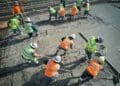













































Years of unreliable electricity, ageing rail infrastructure, congested ports and water shortages have made it increasingly difficult and expensive for South African businesses to operate.
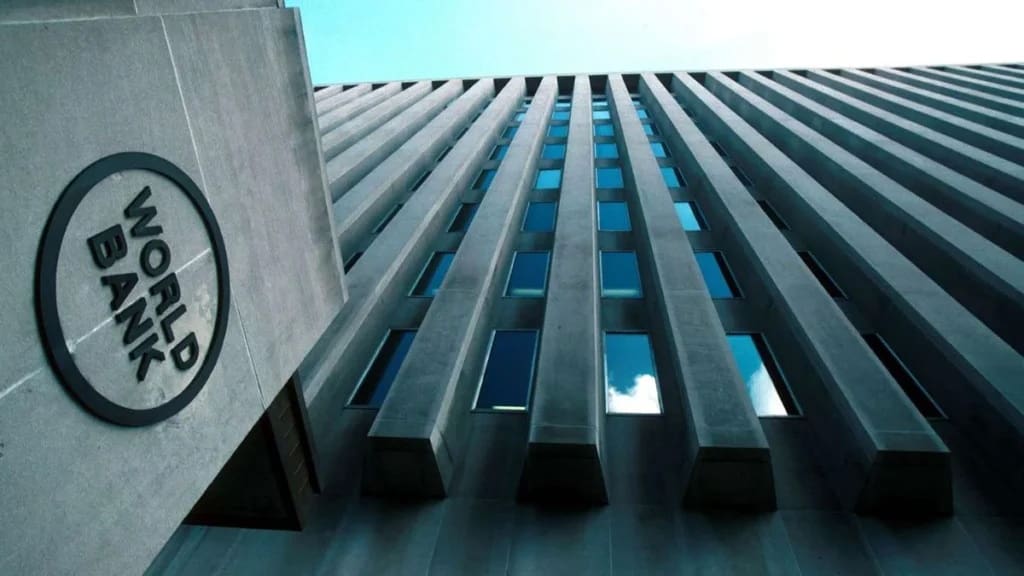
Now, government is hoping a new $1.5 billion (about R24.76 billion) World Bank loan will help ease those pressures, but the real test will be whether the reforms deliver meaningful improvements for businesses on the ground.
The loan agreement, signed by the National Treasury and the World Bank, will support reforms in the electricity, freight transport, water and sanitation sectors. These are widely regarded as some of the country’s biggest barriers to economic growth and investment.
The government says the programme is expected to improve infrastructure services, unlock private investment and support nearly 600,000 jobs by 2032, based on World Bank economic modelling. However, those projections will depend on how effectively the reforms are implemented.
Infrastructure remains a burden on businesses
Infrastructure challenges have become part of everyday business for many small and medium-sized enterprises (SMEs).
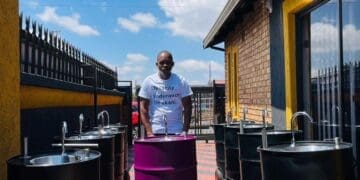
High electricity costs, unreliable freight services, deteriorating roads and water supply disruptions have forced many businesses to spend more on backup power, alternative transport and water storage instead of investing in expansion.
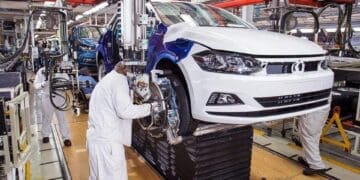
These costs have been particularly difficult for manufacturers, retailers, farmers and hospitality businesses, many of which operate on tight profit margins.
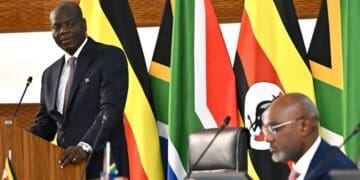
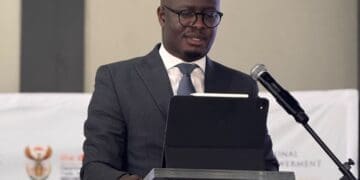
Minister of Finance Enoch Godongwana said the loan is aimed at addressing the infrastructure constraints that have slowed economic growth and limited job creation.
“This programme reflects the government’s determination to remove the infrastructure constraints that have held back growth and job creation for too long,” he said.
What the loan will fund
Unlike a traditional infrastructure loan that finances individual projects, the World Bank funding will support policy and institutional reforms designed to improve how key sectors operate.
The programme focuses on accelerating reforms in electricity generation and transmission, improving freight rail and port operations, and strengthening water and sanitation governance while encouraging greater private sector participation. It is also the fourth Development Policy Loan the World Bank has provided to South Africa since 2022.
According to the World Bank, reforms in electricity and freight transport are expected to account for most of the projected employment gains, while improvements in water and sanitation are intended to strengthen service delivery and improve long-term economic resilience.
Businesses will judge the results
Business leaders have consistently argued that improving infrastructure is essential to lowering the cost of doing business and restoring investor confidence.
Reliable electricity could reduce operating costs, while more efficient rail and port services could improve exports and ease supply chain bottlenecks. Better water infrastructure would also provide greater certainty for businesses that rely heavily on stable water supplies.
However, securing international funding is only the first step.
The success of the programme will depend on whether reforms are implemented efficiently, governance is strengthened and promised improvements are delivered. For many SMEs, the value of the loan will ultimately be measured not by its size, but by whether it results in lower business costs, improved service delivery and a more reliable environment in which to invest and grow.