










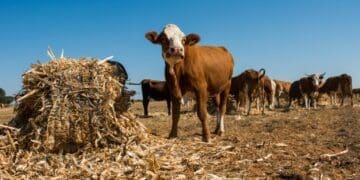






























Foot-and-mouth disease may have kept cattle out of this year’s Thabazimbi Agriculture and Industry Show, but it did not stop the event from becoming a lively marketplace for farmers, wildlife businesses and other rural enterprises.
The 70th annual show, held from 31 July to 2 August 2026 attracted farmers, exhibitors and visitors from across Limpopo, with a game auction emerging as one of the event’s biggest commercial highlights.
For businesses that use agricultural shows to market livestock, products and services, the disruption offered a reminder of how quickly animal-health restrictions can affect rural trade.
“This is our 70th agricultural show here in Thabazimbi. The only interruption was during the COVID-19 pandemic,” said Franco Loots, vice-chairperson of the Thabazimbi Agriculture and Industry Show Association.
Wildlife steps into the spotlight
With cattle absent from the showgrounds, attention turned to the game auction hosted by Thabazimbi Wildlife Services in partnership with Vleissentraal.
About 700 animals, ranging from eland to blue duiker, went under the hammer. The auction attracted 60 buyers on the floor and another 70 online, with buyers travelling from as far as Hoedspruit, Musina and Rustenburg.
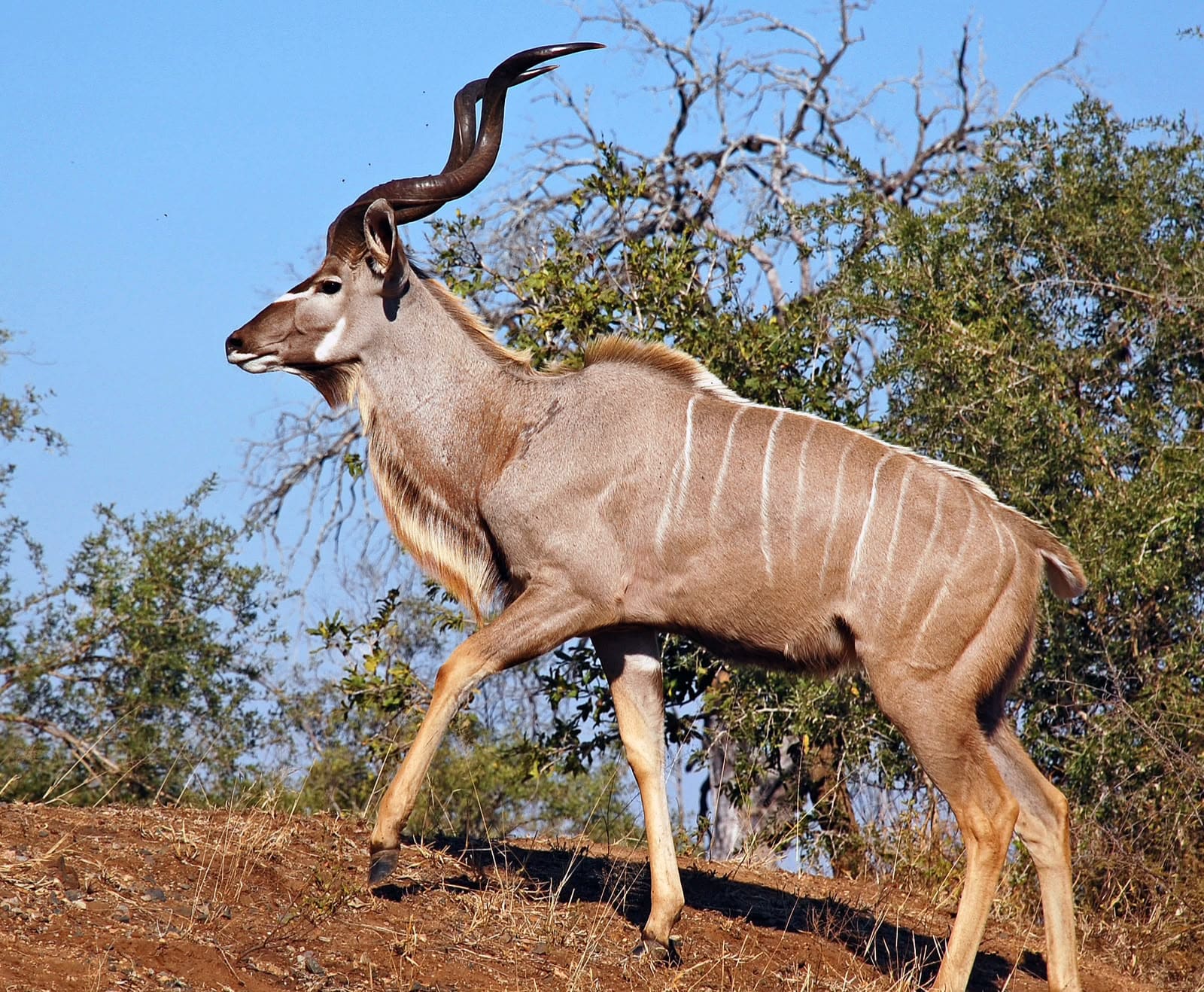
The star of the auction was a kudu bull boasting 59-inch horns and a 19⅝-inch tip-to-tip spread. It sold for an impressive R146 000, making it the highest-priced animal of the auction.
Louis Trichardt, owner of Thabazimbi Wildlife Services, said the auction exceeded expectations.
“It was exceptionally well supported, with around 700 animals on offer, ranging from eland to blue duiker. We expected the kudu bull to fetch the highest price because they remain in strong demand,” he said.
But it was not only the trophy kudu that attracted buyers.
Kudu cows sold for up to R15 000, while waterbuck and blesbok achieved prices above expectations.
“Female animals performed particularly well. Waterbuck and blesbok also achieved prices well above what we had anticipated,” Trichardt said.
Bushbuck proves a surprise performer
Bushbuck was another standout performer, with ewes reaching R23 000 and rams fetching as much as R25 000.
Trichardt said the animals’ management history helped drive buyer interest.
“These bushbuck have been kept in camps and are accustomed to supplementary feeding, allowing them to adapt easily to new environments,” he said.
Exotic game also attracted strong interest, with black impala rams selling for R9 000 each, while impala ewes averaged about R2 400.
The was a boost for wildlife businesses that rely on auctions to connect with buyers and generate income.
Quality genetics drive wildlife demand
The auction also provided a platform for specialist wildlife businesses to showcase breeding stock and genetics.
Jacques Snyman, wildlife manager at Madeleine Robinson Wildlife Reserve in Limpopo, attended the auction to market.
“Our king wildebeest have highly visible, symmetrical flank spots. Visible flank spots combined with good horn development are characteristics that are highly sought after in South Africa’s wildlife breeding industry,” Snyman said.
For wildlife breeders, these traits can add significant commercial value to animals and create opportunities to earn premium prices.
The auction served not only as a sales platform but also a meeting point for businesses involved in wildlife breeding, genetics and game management.
Small businesses keep the show buzzing
The absence of cattle did not leave the showgrounds short of activity.
Visitors were treated to a packed programme of competitions and attractions, including the best exhibition stand, pudding-in-a-pot, chilli eating, a baby and toddler show, a dog show and the ever-popular kudu-dung spitting competition.
Local farmer Owen Mubaiwa also turned heads with his Brahma chickens.
The giant birds became a talking point among visitors, with Mubaiwa describing them as unusually intelligent and friendly.
“They become so tame that they actually prefer human company to that of other birds. If I opened the cage now, they would follow me around like dogs,” he said.
For local exhibitors and small businesses, the event created an opportunity to showcase products, attract customers and visibility.