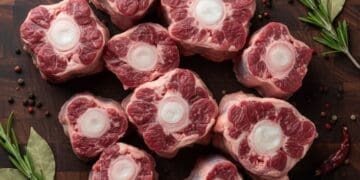






































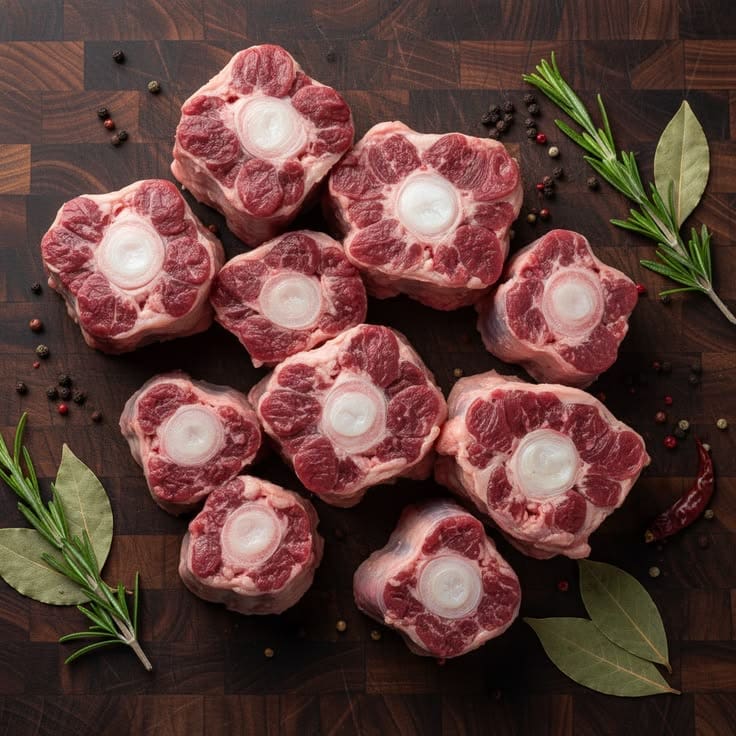
Oxtail prices have nearly doubled, putting pressure on butcheries, restaurants and other food businesses that rely on the popular cut.
According to the Association of Meat Importers and Exporters (AMIE), oxtail that sold for R79 to R99 a kilogram between January and May is now selling at about R169 to R199 a kilogram.
The increase is linked to restrictions on Argentine imports, which account for about 70% of oxtail imported into the local market. With local production unable to meet domestic demand, the disruption has tightened supply and pushed prices higher.
The sharp increase is now being felt further down the supply chain as businesses decide how much of the additional cost they can absorb without losing customers.
Import restrictions tighten supply
The dispute began after Argentina detected scrapie in sheep earlier this year. The South African veterinary certificate used for Argentine beef included a declaration that Argentina was free of scrapie, even though the disease affects sheep and goats rather than cattle.
The Department of Agriculture later removed the declaration, calling its inclusion a technical error. However, additional requirements relating to Foot-and-Mouth Disease (FMD), Bovine Spongiform Encephalopathy (BSE) and Vesicular Stomatitis were also introduced.
AMIE says the revised requirements have prevented approved Argentine establishments from supplying oxtail and certain other bone-in beef products.
AMIE CEO Paul Matthew said the industry supports appropriate action where there is a genuine animal-health or food-safety risk.
“Our concern is for South African consumers,” Matthew said. “When a major source of imported supply is effectively removed from the market, the result is scarcity and higher prices.”
The association has asked the Department to provide the scientific evidence and risk assessments behind the revised requirements and to reconsider them urgently.
Butchers feel the squeeze
The price increase is creating a direct challenge for butcheries that need to balance higher purchasing costs with what customers can afford.
Wessel Jacobs of Meat and Grill in Pretoria North said the increase was becoming difficult to absorb.
“Oxtail has become much more expensive to buy, and customers are noticing the difference. We have to look carefully at our prices because we cannot absorb the whole increase without affecting the business.”
Jacobs said some customers were also looking at cheaper options as the price of oxtail rises.
“Some customers are now asking about cheaper alternatives. Oxtail is popular, but there is a point where the price becomes too high for the customer.”
Restaurants face a similar challenge. Businesses with oxtail dishes on their menus must now work with significantly higher ingredient costs, while passing the full increase on to customers could reduce demand.
The pressure could also extend to caterers and other food businesses that use oxtail in prepared meals.
Matthew said the effect of the supply disruption is already reflected in the market.
“When a major source of imported supply is effectively removed from the market, the result is scarcity and higher prices,” he said.
Businesses weigh their next move
If the supply disruption continues, businesses may have to rethink how they sell oxtail.
Restaurants could raise menu prices, reduce portions, offer the dish less often or promote alternative cuts with lower costs. But these decisions need to be weighed against customer demand and the popularity of oxtail.
Butcheries also need to decide whether to keep stocking the cut at higher prices or reduce the amount they purchase.
The situation highlights the impact that a disruption in one major import source can have across the local food market. With Argentina supplying about 70% of imported oxtail, restrictions affecting that trade can quickly filter through to retailers and consumers.
AMIE is asking the Department to reconsider the revised certification requirements and consider an interim arrangement that would allow safe trade to resume while the technical issues are reviewed.
“We are not asking for South Africa’s biosecurity standards to be weakened,” Matthew said. “We are asking for measures to be transparent, proportionate to the actual risk and supported by recognised science.”
Until supply improves, butcheries, restaurants and other food businesses will have to balance rising costs with what customers are willing to pay.