















































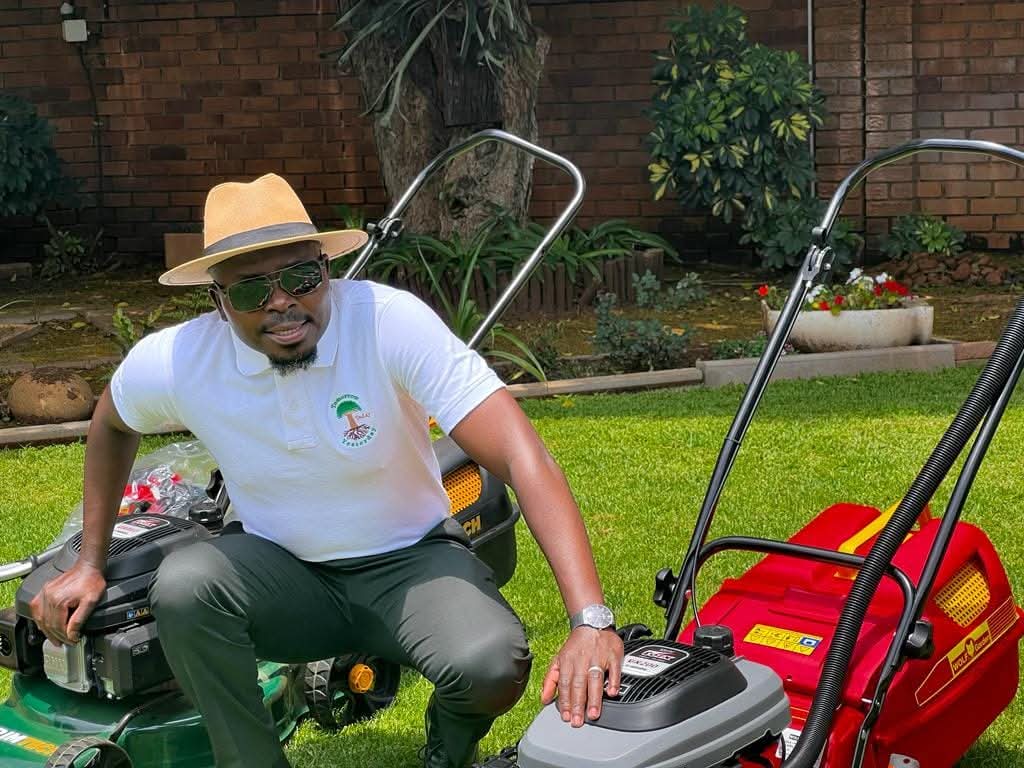
Starting a landscaping and gardening business can be an accessible route into entrepreneurship for anyone with a passion for working outdoors and a drive to build a sustainable business.
For Tshepo Maake, 47, the journey began long before it became a career. Growing up in Tzaneen, Limpopo, he developed an early interest in gardening while helping clean and maintain his family’s yard. Years later, after facing job loss in 2022, he turned that lifelong interest into a lifeline, founding the Pretoria-based YTT Group.
As a self-taught entrepreneur, Maake gradually built up his experience, turning a passion for outdoor care into a thriving venture offering garden maintenance and small-scale landscaping services.
Define your services
For those looking to follow a similar path, Maake suggests starting with a clear assessment of the services you can realistically offer. Core offerings often include:
Lawn care (grass cutting, trimming, and blowing)
Plant care (weed control, hedging, and pruning)
Garden waste removal
Basic landscaping and planting
Formal training isn’t always a prerequisite for success. Aspiring business owners can sharpen their craft through practical work, independent learning about local plant life, and studying sound environmental health practices.
Start small and scale smart
Once you have defined your offering, the next step is formalising the business—selecting a name and registering the company.
Starting small helps alleviate the financial pressure of purchasing heavy machinery upfront. Maake recommends offering your labour and skills to clients who already own basic gardening equipment. The income earned from these initial jobs can then be set aside to buy essential tools over time.
As demand grew, Maake gradually invested in his own equipment, including lawnmowers, brush cutters, rakes, blowers, brooms, spades, and trimming tools. However, acquiring gear is only half the equation—entrepreneurs must also budget for fuel, ongoing maintenance, and equipment repairs to keep daily operations running smoothly.
Building a client base
Marketing a new service doesn’t require a massive budget. Social media platforms and word-of-mouth recommendations are effective, cost-friendly tools for reaching potential clients. Above all, delivering professional, reliable, and efficient service remains the best way to generate organic referrals.
Managing cash flow
Cash-flow management is a critical hurdle for any young business. Maake notes that one of his most significant ongoing challenges has been ensuring consistent capital for fuel, routine repairs, and equipment replacements. Tracking every expense and building a reserve fund for operational costs is essential for survival.
He also encourages new founders to research government funding programs and seek mentorship or supply-chain opportunities with established companies.
Ultimately, Maake’s message to aspiring entrepreneurs is simple: start with what you have, continuously refine your skills, and reinvest your earnings. With consistent service and perseverance, a small gardening setup can scale into a company that services major clients and creates much-needed job opportunities.