












































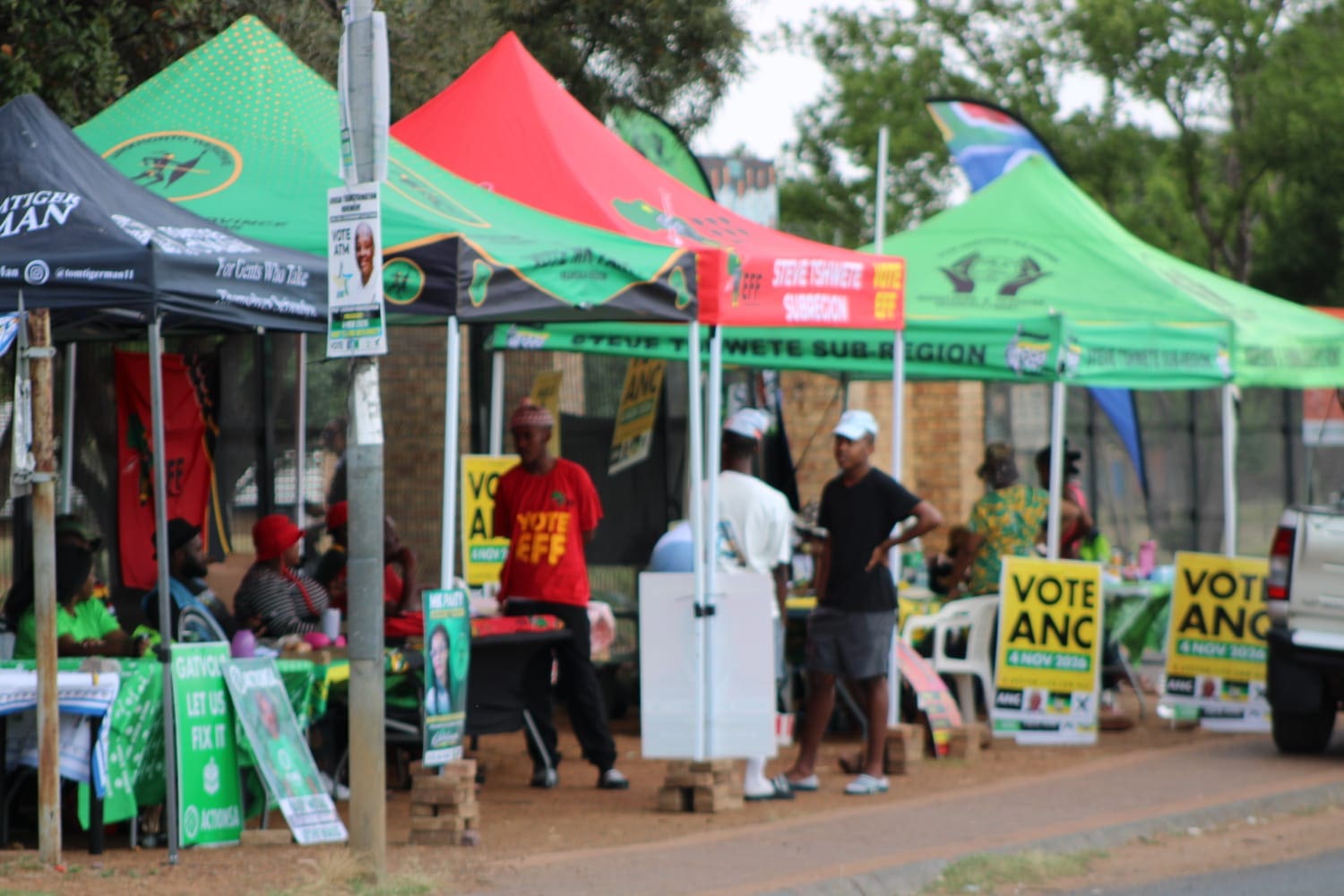
Clean water, affordable municipal rates, access to land and suitable business premises are among the priorities entrepreneurs took to the ballot box in South Africa’s 2026 local government elections.
Local government decisions affect more than service delivery for entrepreneurs and businesses. They influence operating costs, access to trading opportunities and the ability to establish and grow enterprises.
Glenda Mabunda, who owns a rental property in Tshwane, says she is voting for “clean water and fair rates”.
Unreliable municipal services and rising charges can increase the cost of maintaining rental properties and providing accommodation.
“Failing municipalities always come with a second bill for entrepreneurs and we are trying to emerge. I am voting for a fair environment to operate in,” she told Vutivi Business News.
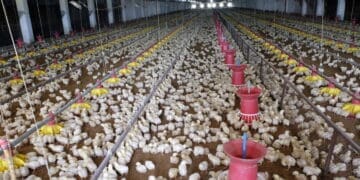
For Bango Poultry Farm, the priorities are closely linked to the infrastructure needed to sustain production.
The poultry business owner identified unreliable water and electricity supply, poor road infrastructure, high operating costs and limited access to business support and funding as some of the biggest challenges facing the business.
“Some of our biggest challenges include unreliable water and electricity supply, poor road infrastructure, high operating costs and limited access to business support and funding,” the owner said.
The entrepreneur wants the incoming municipal administration to prioritise infrastructure, reliable basic services, funding opportunities, skills development and market access.
“We need a municipality that supports local economic growth and job creation, not just during election season but throughout its term,” the owner said.
Farmers and traders want access to resources
Realeboga Mangwegape, a livestock farmer from North West said access to land and water is central to his voting priorities.
“I am voting for land and water,” Mangwegape said.
Access to suitable land and reliable water supplies is essential for maintaining livestock and sustaining agricultural production. The cost and availability of these resources can also influence the viability of farming operations.
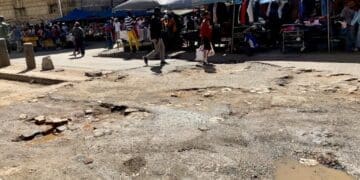
In urban areas, the challenge for street vendors and informal traders is having a safe and affordable place to sell their goods.
Designated trading stalls, fair permit allocation, running water, electricity, sanitation, waste collection, security and shelter from harsh weather can make trading spaces more functional.
Research on informal trade regulation in South Africa has highlighted the importance of municipal investment in basic infrastructure at trading sites, including water, electricity and proper waste disposal.
Beauty entrepreneur Resego Shai in Atteridgeville also wants access to suitable premises from which to operate her business.
She raised concerns that available trading spaces were occupied by other operators whom she alleged did not have the necessary permits and licences.
Her experience raises questions about how municipalities allocate business spaces, enforce trading regulations and ensure entrepreneurs have fair access to commercial opportunities.
Businesses seeking to establish or expand beyond informal trading also need access to suitable land and premises. This includes affordable municipal leases, transparent land-allocation processes, appropriate zoning rights and timely approval of building plans.
The City of Cape Town’s 2025/26 Business Satisfaction Survey identified land-use rights, building-plan approvals and public-land transfers among the processes businesses experienced difficulties with.