
























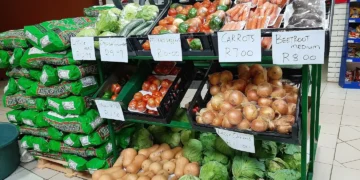
















Limpopo-based agro-processing entrepreneur and farmer David Maroga and his business associates at Selema Harvest use basic tools such as knives and graters to process kilograms of vegetables they grow on their 1.5-hectare plot into various edible products.
It is hard and laborious work which can take hours. Maroga believes that acquiring machinery can help the company save time and increase its yield.
This would result in reaching a far wider audience and create more jobs. Selema Harvest was established only a year ago without much capital and is still finding its way into the competitive agro-processing market. Acquiring state-of-the-art technology is currently beyond their means.
Selema Harvest grows vegetables on a 1,5 hectare plot in Motantanyane near Lebowakgomo in Limpopo. After harvesting the vegetables, they manually process them into powders and dried products such as snacks, powder and juice.
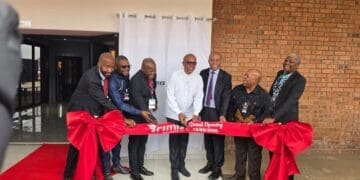
This week Maroga attended an event to relaunch the Township and Rural Entrepreneurship Programme (TREP) in Seshego near Polokwane in Limpopo.
TREP is an initiative spearheaded by the Department of Small Business Development (DSBD) designed to stimulate economic growth and expand inclusive participation in historically underserved areas. By focusing specifically on micro, small, and medium enterprises (MSMEs) operating outside of mainstream urban hubs, the programme aims to unlock the untapped potential of local economies.
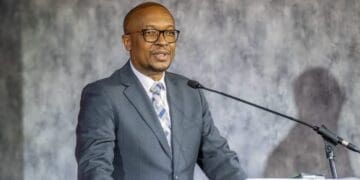
DSBD Minister Stella Ndabeni-Abrahams went on a road show that included stops in the Eastern Cape and Limpopo this week, engaging with entrepreneurs on how to access state funding and support services through various entities under the department.
Attendees included agro-processors, health and beauty product manufacturers, technology and marketing entrepreneurs.
Maroga, who hasn’t applied for any funding or support, believes the TREP can help the business access finance to buy machinery that would enhance their production. He also believes government support can help the company access a wider market.
He counts a lack of access to markets and unpredictable weather patterns as some of the cites challenges facing the start-up. But they have an advantage over general vegetable sellers because their processed products can have a longer shelf life.
“We believe this project [TREP] will assist us especially with information regarding to apply for funds and how to be compliant. We have just started and have not applied yet because we had no information, but now we know where to go and what to do,” said Maroga.

The enhanced TREP is set to significantly improve access to affordable capital, which has traditionally been one of the greatest hurdles for localised entrepreneurs.
Under the updated terms, the maximum funding threshold has been substantially increased from R1 million to R3 million, allowing businesses to scale operations more ambitiously.
Furthermore, the programme maintains a favourable interest rate of 5% alongside extended repayment terms of up to 60 months and a repayment moratorium of up to six months, giving growing enterprises essential breathing room during their formative growth stages.
Ndabeni-Abrahams said while township and rural business owners possess immense resilience and innovation, they have historically been hobbled by a lack of access to formal financial resources and structured market opportunities.
Ndabeni-Abrahams noted that this scale-up is designed to empower local businesses ranging from manufacturing and bakeries to automotive services to move beyond mere survivalism and build robust local supply chains that keep capital circulating within their communities.
A cornerstone of the relaunch is the newly unified institutional framework under the Small Enterprise Development and Finance Agency (SEFA), which combines financial lending with essential non-financial support.
Ndabeni-Abrahams stressed that the agency’s mandate is no longer to simply decline underprepared applications, but rather to guide entrepreneurs through compliance requirements, financial management, and productivity training so they become genuinely finance-ready.