

































Small businesses are looking to incoming municipalities to address problems that make it harder to trade, attract customers, and keep their doors open after the 2026 Local Government Elections.
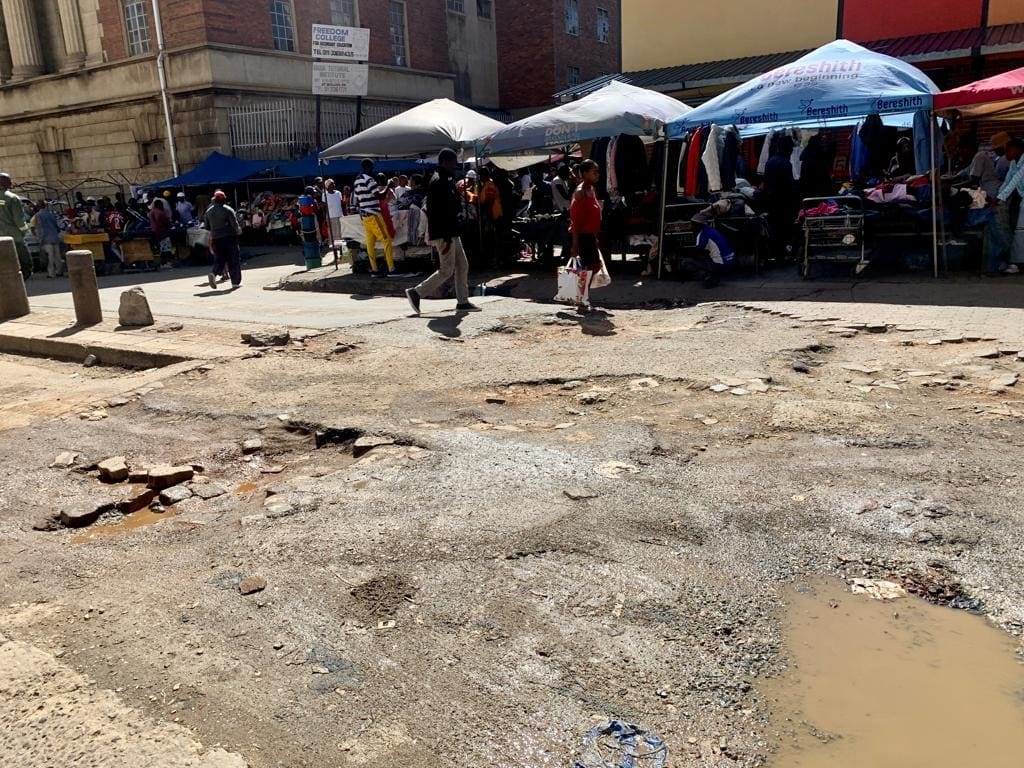
Pothole-ridden roads, a lack of trading spaces, crime and unreliable water and electricity carry actual costs for entrepreneurs with limited resources.
These challenges affect whether customers can reach business premises, whether goods can be produced and delivered, how much businesses spend on daily operations and whether employers can keep workers on their payroll.
When infrastructure is neglected and essential services become unreliable, small businesses are often left paying extra to keep operating or losing income when they cannot.
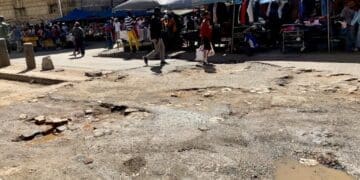
“People who want to come to our businesses struggle to access the area, motorists have to drive through the damaged road, and even people travelling to work are affected,” said Pretoria West mechanic Given Mathonsi.
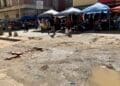
Mathonsi said the condition of Luttig Street has made doing business difficult. The road was damaged by potholes throughout last year, affecting businesses along the street, motorists travelling to Quagga Shopping Centre and people using the route to get to work.
“It’s very difficult to run a business here when the road is in this condition. The potholes affect everyone who uses this road,” he said.
Although repair work has recently been carried out, Mathonsi is concerned about whether it will last. Luttig Street serves several businesses, including pawn shops and his own workshop. When customers struggle to reach business premises, it becomes harder for owners to attract customers and maintain their income.
He wants the incoming municipality to ensure that the road is properly repaired and maintained rather than relying on temporary fixes that may deteriorate again.
A permanent trading stall would make business easier
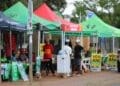
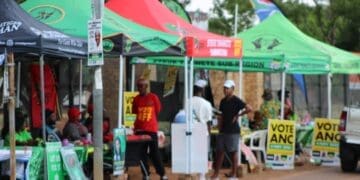
Food seller Elizabeth Botsane, who trades outside Hoërskool Pretoria-Wes Hall high school, also wants better conditions for small traders. She uses a gazebo and table, which she transports to the school, sets up before trading and packs away afterwards. This adds transport costs and leaves her exposed to changing weather conditions.
“During winter, it gets very cold because I don’t have a proper place to trade. I have to bring my gazebo and table every time, set everything up and take it down again when I’m finished. I cannot leave my things there, so I have to travel with them. It’s not easy doing this every day,” Botsane said.
She said a permanent stall would give her a secure place to keep her equipment and allow her to concentrate on selling food and serving customers.
Mtwentwe said small businesses were resilient, but entrepreneurs wanted practical action rather than plans that were never implemented.
The 2026 State of the SMME in South Africa report found that 32.1% of surveyed businesses had operated for more than 20 years. However, fewer than 40% employed between one and five people, highlighting the challenge of turning business survival into meaningful employment growth.
“It’s time now for implementation, not ideas, or just the plans that should be out there that are not going to be implemented by the officials,” he said.