













































Household costs are rising, and small businesses are starting to feel the squeeze.
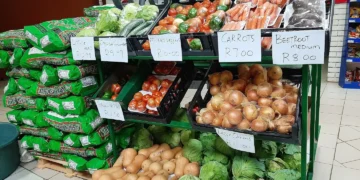
New data shows the household food basket now sitting at R5,401.44 — a figure carrying direct implications for retailers, service providers and township enterprises.
The latest data, referencing the Pietermaritzburg Economic Justice and Dignity Household Affordability Index for January, highlights both ongoing strain and a subtle sign of stabilisation in food inflation
According to Tando Ngibe, Senior Manager at Budget Insurance, the month-on-month increase remains a concern.
The basket rose by R67.99, which is 1.3%, from December 2025 to January 2026
“This continued monthly uptick places further pressure on consumers, especially at the start of the year when household expenses are already elevated”, he said.
When families adjust their food baskets, businesses adjust their strategies, their income, and their survival. Small businesses face a difficult choice. They must decide whether to absorb rising supplier costs or pass them on to price-sensitive customers. Unlike big chains, smaller businesses cannot buy in bulk and feel the pressure more.
As households spend more on food, some rely on overdrafts, personal loans, or informal credit to cover costs. This can slow down repayment cycles. For SMEs that offer credit to customers, slower payments can make cash flow tighter and add more pressure.
For SMEs, survival depends on adapting, being flexible with pricing, finding new income streams, and keeping customers loyal.
A small but notable annual shift
However, there is a small sign of relief. Ngibe points out that compared with January 2025, the basket is R32.26 cheaper, a drop of 0.6 percent.
“While the decrease is small, it shows that some of the inflation we saw last year may be easing. For consumers, this shows that food prices may be starting to stabilise,” he said.
Even with this small drop, households are still struggling. Month-to-month costs remain unpredictable. Families are watching every rand and deciding between food, bills, transport and other essentials
What it means for SMEs
For small and medium-sized businesses, the R5,401.44 basket is more than a number. It shows how customers are changing the way they shop, and shapes consumer behaviour on the ground.
Retail SMEs report that customers are buying smaller baskets, looking for deals and discounts. They are visiting stores more often but spending less each time, and sometimes customers are using credit or lay-by to get what they need.
“People are very careful with their money now,” said Lerato Mokoena, who runs a clothing store at Quagga Mall in Pretoria West. “They buy only what they need and ask a lot about specials.”
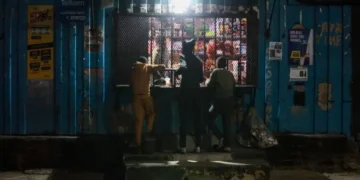
Township and informal traders are seeing customers buy single items instead of bulk. This slows stock turnover and makes cash flow harder to manage. Cafes, takeaways, and service-based businesses are also feeling it, as families spend more on groceries and less on eating out or leisure activities.
Moipone Radebe, owner of an outdoor kitchen eatery in Kwaggarsrand, added on the low spending.
“We see more people coming in every day, but they are spending less. We have to adjust our menu and offer smaller meals to keep them happy”, she said.
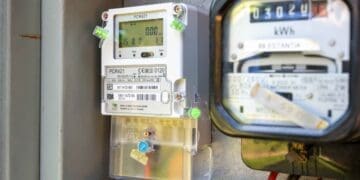
Many small business owners are trying to adapt by offering smaller portions, special deals, or discounts to keep customers coming. Others diversify, selling mobile top-ups, prepaid electricity, or parcels to increase foot traffic and income.