
















































South Africa’s latest fuel price increase is placing severe pressure on small and medium enterprises, with rising operational costs threatening the survival of businesses across multiple sectors.
The increase, confirmed by the Department of Mineral and Petroleum Resources, comes amid Middle East tensions that are affecting global oil instability and a weakening rand, leaving SMEs under financial strain.
Sharp increases across fuel types
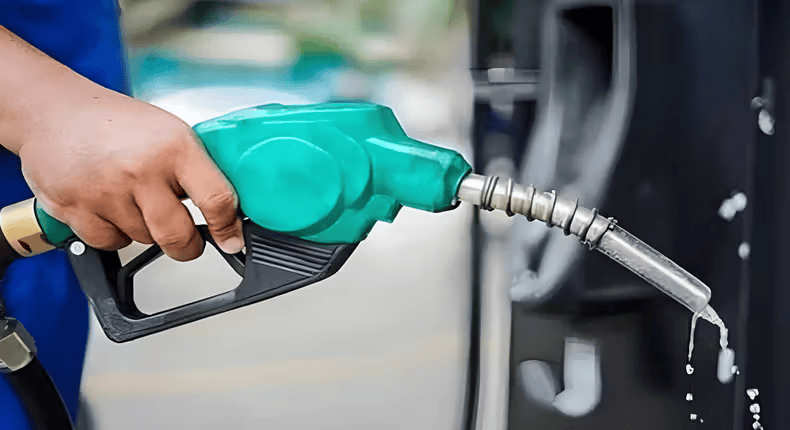
From 1 April, petrol prices have increased by R3.06 per litre, while diesel has surged by between R7.37 and R7.51 per litre. Illuminating paraffin has recorded a historic increase of R11.67 per litre, placing additional pressure on both households and informal businesses that rely on it for daily operations.
Minister of Mineral and Petroleum Resources Gwede Mantashe attributed the increase to global oil market pressures and currency weakness.
“The average Brent crude oil price increased significantly due to ongoing geopolitical tensions, particularly affecting supply routes, while the depreciation of the rand against the US dollar further contributed to higher fuel costs,” Mantashe said.
Although Finance Minister Enoch Godongwana introduced a temporary reduction in the general fuel levy, the relief is short lived and expected to cost the fiscus around R6 billion.
Logistics and diesel dependent SMEs hardest hit
Diesel dependent SMEs, particularly in logistics and agriculture, are among the hardest hit by the increase. Small scale transport operators say the sharp rise in diesel prices is eroding already thin profit margins.
Thabo Mokoena, owner of TransMoko Logistics in Johannesburg, said diesel prices are too high.
“We depend on diesel every day. With this kind of increase, we either raise prices or operate at a loss. Either way, the business suffers,” he told Vutivi Business News.
For many SMEs in this sector, increasing delivery costs may reduce demand, creating a ripple effect across supply chains and contributing to higher consumer prices.
Ride hailing and petrol based SMEs under strain
Petrol based SMEs, including drivers operating through platforms such as Uber and Bolt, are also facing mounting pressure. Fuel is one of their biggest daily expenses, and the increase has reduced take-home earnings.
Bokang Thubakgale, a ride-hailing entrepreneur through Bolt in Pretoria, expressed frustration.
“After paying for fuel, there is almost nothing left. We are working longer hours just to survive, and customers don’t want higher fares. This increase will affect us badly,” he said.
These drivers, who operate as independent small businesses are vulnerable to fuel price volatility.
Taxi industry prepares for fare increases
The National Taxi Alliance has warned that commuters will bear the brunt of the increase. According to NTA spokesperson Theo Malele, taxi fares are set to increase around R6 per passenger.
“In relation to the possible pricing structure, looking at the fuel and diesel, there is a likelihood that we could be talking somewhere around R6 per passenger as an increment. This is if government does nothing about the whole situation,” Malele said.
For taxi owners, many of whom operate as SMEs, the increase makes it difficult to sustain operations without passing costs onto passengers.
Paraffin shock hits informal businesses
The sharp rise in paraffin prices is also affecting informal SMEs such as street vendors and spaza shop operators. Many rely on paraffin for cooking and heating, meaning higher costs directly impact their daily operations.
Tshenologo Mohlapi, a street food vendor in Bosman noted that paraffin price just got worse.
“Paraffin is already expensive, now it is even worse. I will have to increase food prices so that I can still make profit,” she said.
This creates a difficult cycle where rising costs lead to higher prices, which in turn reduce customer demand.