











































South African agricultural exporters are set for expanded global opportunities after China introduced a zero-tariff preference scheme for African countries, removing import duties on key products including apples, wine and rooibos tea.
The policy is expected to unlock new market access for small and medium enterprises (SMEs) across the agricultural value chain, strengthening South Africa’s export competitiveness in one of the world’s largest consumer markets.
Rather than only benefiting large exporters, industry stakeholders say the shift could reshape participation in global trade by giving smaller producers, processors and rural agribusinesses a stronger foothold in high-value export markets.
Minister of Trade, Industry and Competition Parks Tau welcomed the development, saying it reflects deepening trade relations between China and Africa and supports South Africa’s goal of expanding exports and diversifying markets.
Tau said the framework creates space for inclusive growth by improving access to value-added agricultural products, where SMEs play a growing role in production and supply chains.
Under the scheme, qualifying South African goods exported between May 2026 and April 2028 will enter China duty-free, provided exporters meet the rules of origin and certification requirements.
Trade analysts say the combined impact of zero tariffs on apples, wine and rooibos signals a shift toward broader SME participation in global trade.
Lower barriers are expected to improve access for smaller producers who often face high logistics costs, compliance requirements and limited market reach.
Rooibos producers see stronger export momentum
South Africa’s rooibos industry is expected to be one of the key beneficiaries of China’s zero-tariff preference scheme, with producers positioning for expanded access to one of the world’s largest tea markets.
The removal of import duties is expected to improve competitiveness for South African rooibos, which has traditionally faced high entry barriers in Asian markets due to earlier tariff costs and limited awareness.
Carmién director Lize du Preez said export expansion could have a direct impact on rural communities involved in rooibos production.
“Fifty percent of our factory is owned by farm workers, and they would directly benefit from any increase in volumes sold,” she said.
She added that increased demand would also create jobs in packaging and processing, strengthening rural participation in the value chain.
Carmién International Sales Manager Charl Rudman said earlier attempts to enter China were constrained by high tariffs.
“Over 30% import duties were applicable at the time. Reduced duties made re-entry into the market feasible,” he said.
Wine and apple exports gain momentum
South Africa’s wine industry is also seeing strong growth, with exports to China rising by more than 90% in the first quarter of 2026. China has also reduced tariffs on South African wine from 14% for bottled wine and 20% for bulk wine to zero
Marcus Ford, Asia market manager for Wines of South Africa, said interest is growing from importers in China who have not previously worked with South African wines.
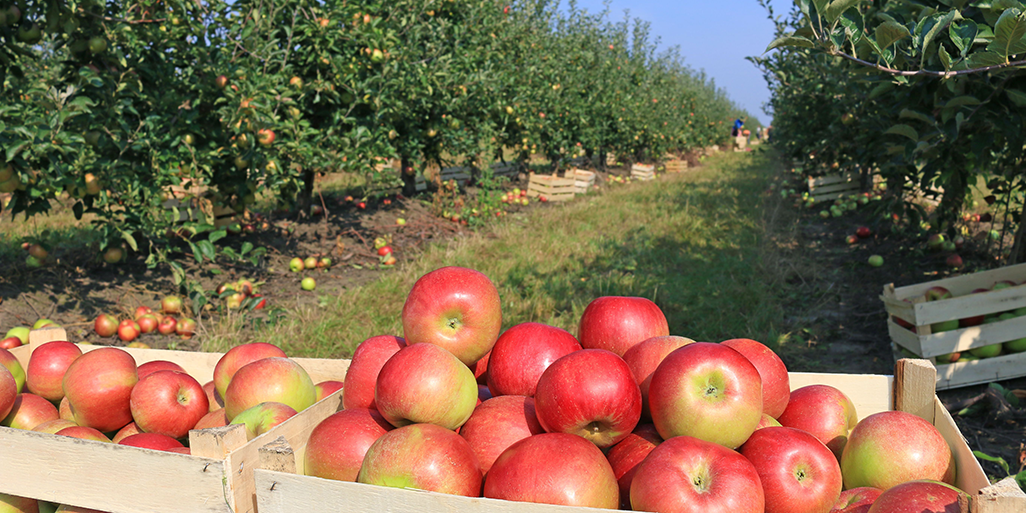
South African apples are among the first products to benefit, with a 24-ton shipment clearing customs in Shenzhen under the zero-tariff system.
The consignment marks one of the earliest agricultural exports to enter China without the previous 10% import duty, improving price competitiveness.
The move is expected to strengthen South Africa’s position in the Asian fruit market and increase participation from smaller growers.