











































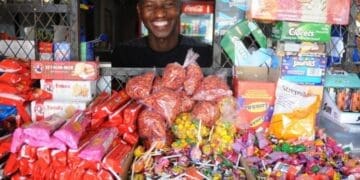
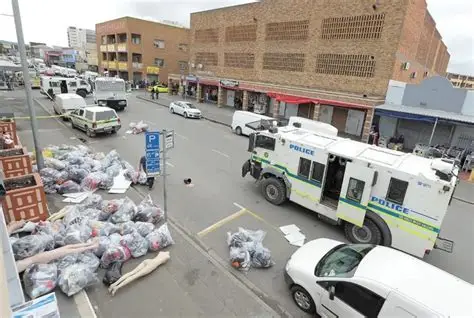
A law enforcement operation in which authorities seized more than R2 million worth of counterfeit and illicit goods and confiscated more than 3,300 items has highlighted the impact of illicit trade on local business.
The operation targeted businesses suspected of trading in counterfeit and illicit products in Nelspruit, Mpumalanga and formed part of a broader crackdown on illegal supply networks.
While raids often make headlines because of arrests and seizures, retailers and industry observers say the deeper story is economic. Counterfeit goods compete in the same market as legitimate businesses but avoid many of the costs that formal businesses absorb, including taxes, licensing, compliance and labour obligations.
Bheki Mabuza, owner of Praxos Liquor in Nkomazi, said illicit trade creates conditions that make it difficult for formal businesses to survive.
“People often assume counterfeit goods only hurt large brands, but local businesses carry the impact as well. A compliant retailer pays rent, salaries, VAT and supplier costs. When illegal operators avoid those costs, they can sell at prices legitimate businesses cannot match. Over time, that affects turnover, investment decisions and jobs,” said Mabuza.
He added that the problem becomes more difficult for small and medium enterprises already operating under pressure from rising costs and weak consumer spending, and the damage is not always visible immediately.
“You do not necessarily wake up and see businesses closing because of counterfeit trade overnight. What happens instead is slower growth, lower margins and businesses becoming more cautious about expanding or hiring,” Mabuza said.
Tax losses and pressure on the formal economy
Authorities said counterfeit and illicit goods do more than reduce sales. Police have repeatedly warned that illegal trade weakens tax collection, reduces production and harms legitimate manufacturers and retailers across supply chains. Counterfeit products are also often distributed outside regulated systems with limited quality control.
Sphiwe Zingani, Chairperson of the For the People Economic Development Forum, said that illicit trade imposes broader economic costs.
“When goods move outside formal channels, the government loses revenue, and compliant businesses face more pressure. That ultimately affects public services, investment and the ability of businesses to compete fairly,” he said.
Authorities warn that consumers are increasingly exposed to counterfeit products in categories including personal care products, household goods and consumables. National operations this year have seized counterfeit pharmaceuticals, consumables and other regulated products.
According to Captain Mpho Nonyane-Mpe from Nelspruit SAPS, the low prices can hide bigger risks “Consumers understandably want affordable options, especially under economic pressure. But counterfeit goods usually come without quality assurance, product traceability or accountability if something goes wrong.”
Enforcement is only one part of the solution
The Nelspruit operation reflects a broader national push to disrupt counterfeit and illicit supply chains and protect consumers and lawful businesses. Police say these operations are intended to safeguard public safety and support the formal economy.
But business stakeholders argue that enforcement alone will not solve the problem.
They say stronger border controls, better market monitoring and greater consumer awareness will determine whether formal businesses regain ground. As one business representative put it: “Counterfeit trade is often treated as a crime story, but for business owners it is also a competitiveness story. Every fake product sold shifts money out of the formal economy.”