




































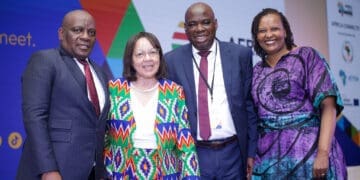







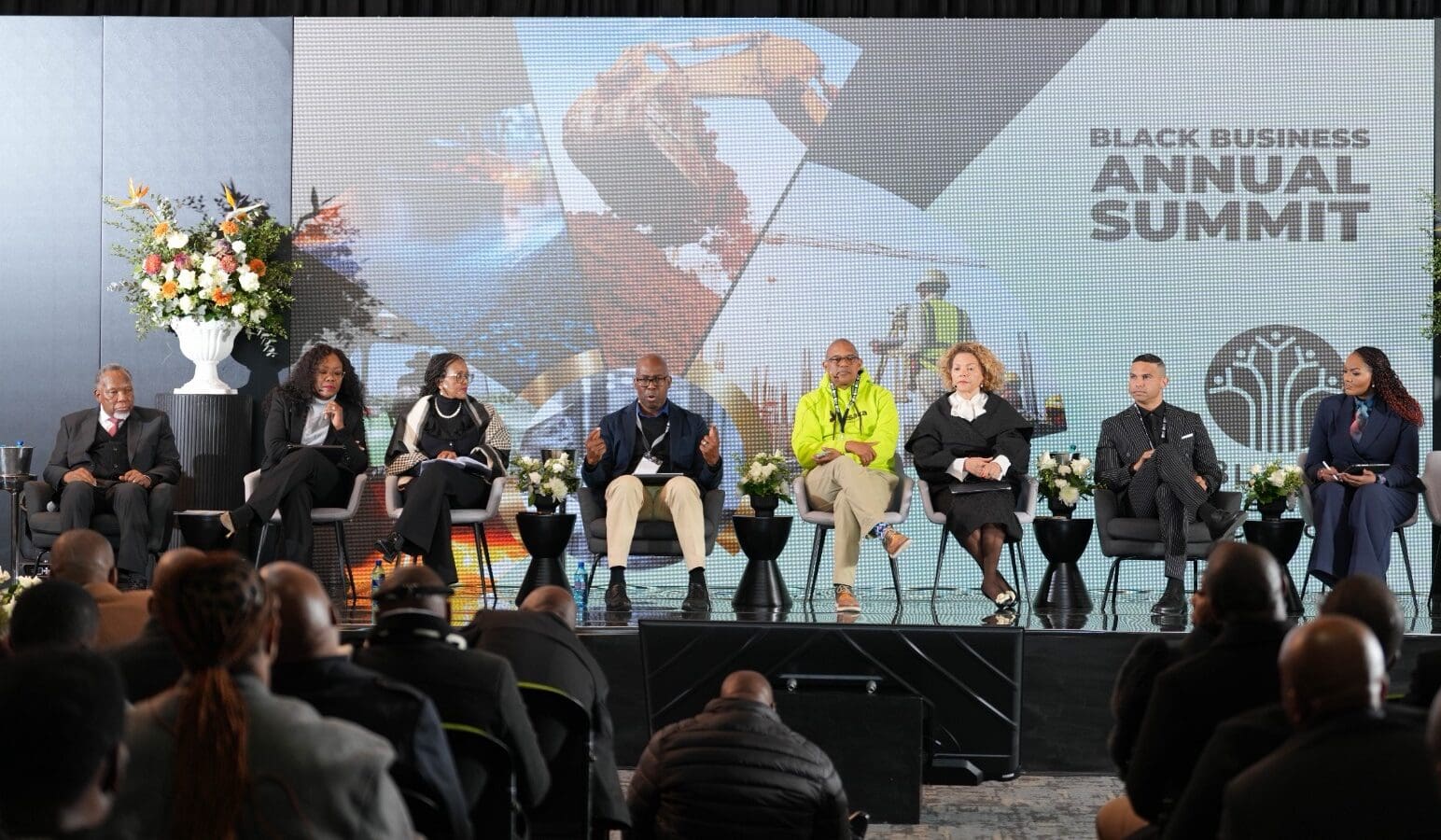
Over 1,000 delegates from government and the private sector gathered at the Radisson Blu Hotel in Kempton Park for the two-day Black Business Summit, which concluded on 13 August.
Held under the theme, Growing the South African Economy Through Economic Empowerment, Re-industrialisation and Localisation in the Era of Artificial Intelligence, the summit focused on improving funding accessibility and ensuring long-term sustainability for black-owned, women-owned, and youth-owned SMEs.
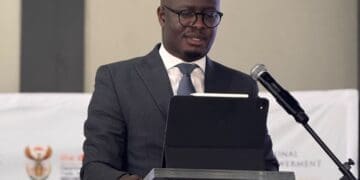
Addressing delegates, Minister of Small Business Development Stella Ndabeni highlighted key government interventions, including the Creative Industry Fund and other funding mechanisms designed to support SMEs in line with the National Development Plan (NDP) 2030 objectives.

She said that government engagement aims to bring support closer to small businesses by providing entrepreneurs with the resources, information, and opportunities necessary to scale their operations.
Echoing the call for improved financial support, Patrick Makape, Interim Board Chair of the Small Enterprise Development and Finance Agency (Sedfa), highlighted the agency’s recent rollout of targeted financial support.
Earlier this month, Sedfa launched dedicated new funds—the Women Fund, Youth Fund, and Construction Fund to offer targeted relief to vulnerable sectors.
Calls for transparency and practical interventions
Keynote speakers urged development institutions to adopt more constructive, practical approaches to small business development rather than relying on rhetoric.
National Youth Development Agency (NYDA) Executive Chairperson Dr Sunshine Myende called for urgent action to break down systemic funding barriers facing youth- and women-led enterprises. Myende urged Development Finance Institutions (DFIs) to improve transparency when declining applications.
“Rather than simply rejecting applications, young business owners should be provided with clear reasons for decisions so they can understand the gaps, strengthen their proposals, and improve their chances of success,” Myende stated.
Gauteng MEC for Economic Development, Agriculture and Rural Development Vuyiswa Ramokgopa stressed that financial support must be paired with operational guidance.
“The conversation must move beyond access to funding. We need funding systems that are accessible, responsive, sustainable, and designed to enable Black entrepreneurs to grow and create jobs,” Ramokgopa said, noting that true inclusivity is measured by an enterprise’s ability to build a sustainable business post-funding.
Enforcing localisation objectives
Beyond capital access, attendees highlighted regulatory enforcement as a key driver for small business growth.
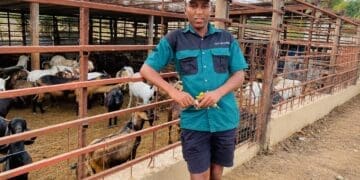
Entrepreneur Monwabisi Ngubane advocated for reforms in municipal governance, urging policy changes to hold officials accountable when failing to implement legal localisation mandates.
The summit concluded with a unified call for stronger partnerships between local stakeholders, DFIs, and government bodies to ensure small businesses can meaningfully participate in South Africa’s re-industrialisation strategy.