






































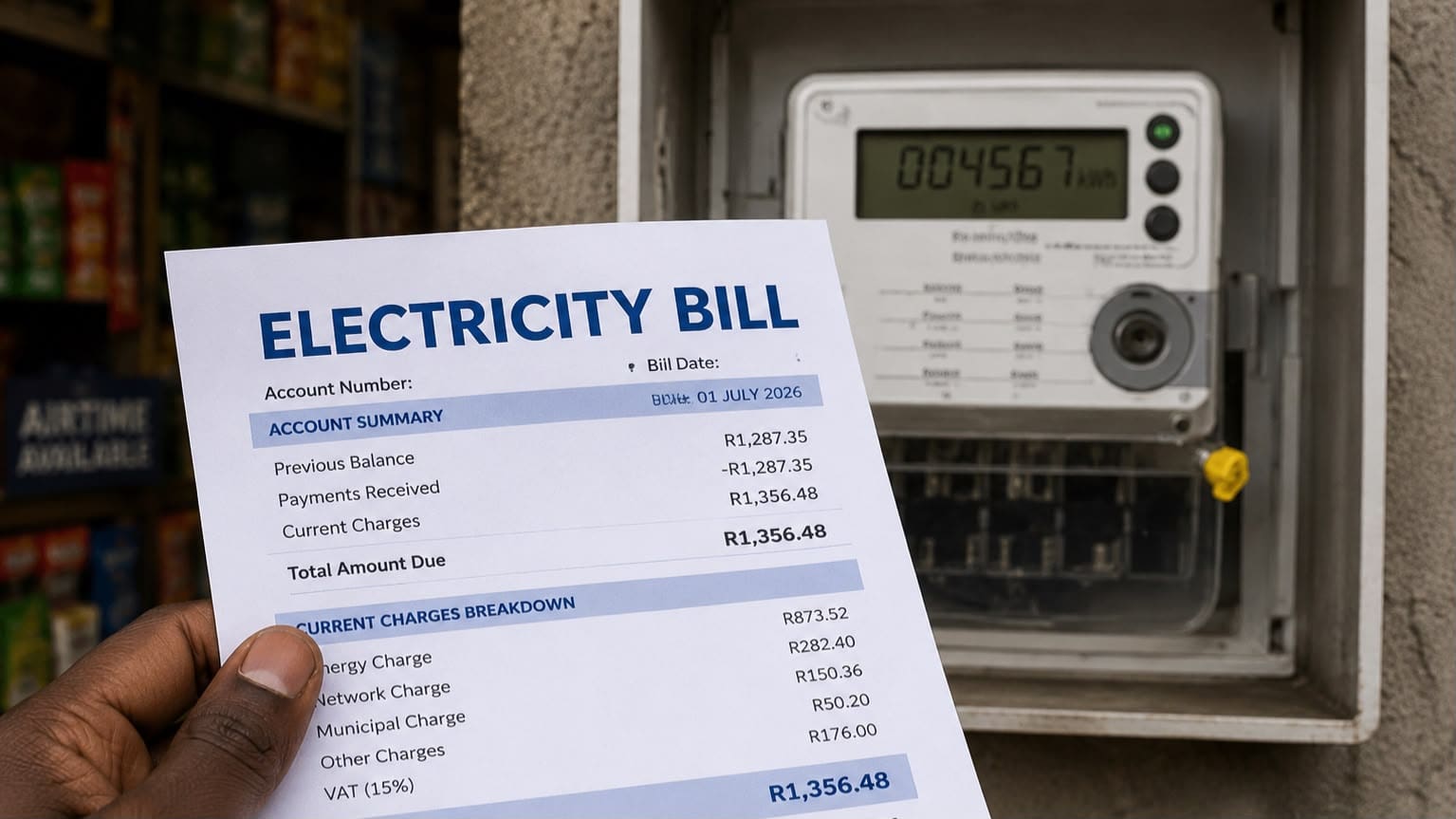
Small businesses across South Africa woke up to renewed financial pressure as new electricity tariff increases took effect from 1 July 2026 in major metropolitan areas.
The increases follow approval by the National Energy Regulator of South Africa (NERSA), which set a 9.01% baseline bulk electricity increase for municipalities for the 2026/27 financial year. The adjustment applies to electricity purchased in bulk from Eskom before being passed on to consumers through municipal billing systems.
Local authorities have since implemented their own tariff structures, resulting in varying increases across the country.
In Johannesburg, City Power Johannesburg implemented an average increase of 8.63%, while Buffalo City recorded a 14% hike and Ekurhuleni 12.70%. The City of Tshwane approved an 8.80% increase, while Cape Town’s increase was set at 7.50%.
For customers supplied directly by Eskom in certain areas, including parts of Gauteng, an 8.76% increase approved earlier this year came into effect on 1 April 2026, meaning they will not face an additional municipal adjustment in this cycle.
Businesses count the cost
The tariff increases are expected to hit small businesses hard, especially those in retail, hospitality, food services, manufacturing, mining and informal trading, where electricity remains one of the biggest operating expenses.
The founder of the Township Economy Commission of South Africa (TECSA), Bheki Twala, said the organisation has been inundated with concerns from its more than 10,000 members nationwide, many of whom fear they will struggle to remain profitable.
“It’s very expensive for an informal trader or an SME to operate if there’s no electricity. With the hike that started in April, it’s going to hit our members,” Twala said.
Unlike larger corporations, many small businesses have limited financial reserves to absorb higher utility costs without increasing prices or reducing operations.
In Dubais, a conference and private lounge company in Soweto said it is already operating at a loss.
“Every month we need to pay plus minus R16,000 for electricity. Combined with water, it goes to about R20,000. They are killing our businesses,” said facility manager Thabo Mohale.
Salon owner Ayanda Tshwete based in Pretoria CBD container rentals said the higher tariffs will place additional pressure on the business.
“I feel it’s not sustainable. We’ve already experienced the impact of load shedding, where businesses had to close earlier because you can’t operate at night without electricity. I currently pay around over R3000 a month, and these increases will push that even higher,” Mabuza said.
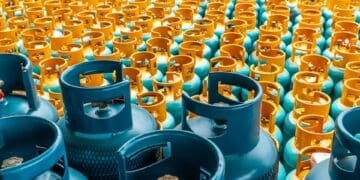
Some business owners are already looking for alternatives. Street food entrepreneur Tshepo Mokoakwe said his business has switched to gas and wood-fired cooking to reduce its dependence on electricity.
“All our cooking is done with gas. We also use a wood-fired pizza oven because it’s more reliable than electricity. Electricity has become too expensive,” he said.
Seasoned energy expert Professor Vali Padayachee, a former senior executive at Eskom and City Power Johannesburg, said while electricity distributors need sufficient revenue to maintain infrastructure, tariff increases must also take into account the financial realities facing households and businesses.
“If the tariff awarded by NERSA to the distributors is too high, then government should intervene. The gap should be addressed through subsidies or other funding mechanisms so that consumers are not overburdened,” he said.