



















































South Africa’s manufacturing sector remained under pressure in May, raising concerns that slowing factory activity could weigh on thousands of small businesses that supply the country’s industrial value chains.
Statistics South Africa (StatsSA) reported that manufacturing production declined by 4.3% year on year in May 2026, following a revised 2.9% contraction in April. While production increased by 1.1% month on month on a seasonally adjusted basis.
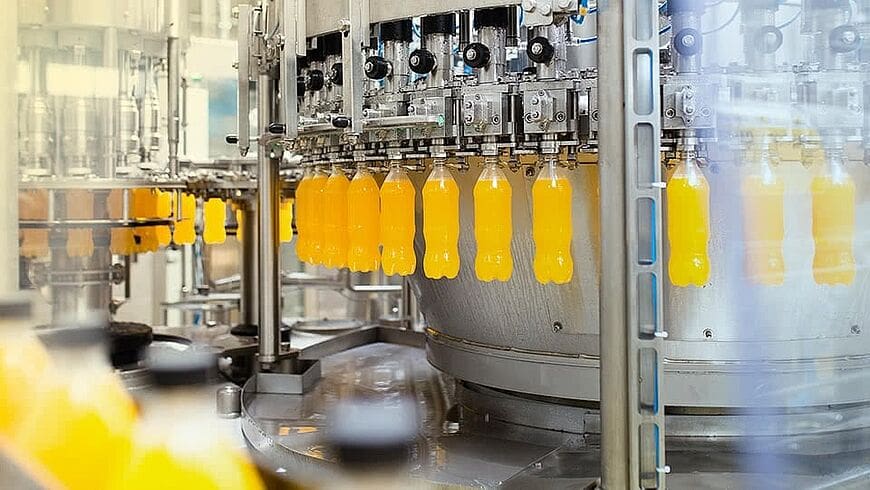
The biggest drag on production came from the food and beverages division, which declined 6.4%and shaved 1.6 percentage points off overall manufacturing output. This was followed by basic iron and steel, non-ferrous metal products, metal products and machinery, which fell 5.6% and contributed 1.3 percentage points to the decline. Wood and wood products, paper, publishing and printing dropped 11%, reducing overall production by 1 percentage point.
What it means for SMEs
The slowdown extends beyond large factories and is likely to be felt across manufacturing supply chains where thousands of SMEs provide goods and services to larger producers.
Small food processors, packaging manufacturers, furniture makers, printers, engineering firms, metal fabricators and industrial suppliers often depend on contracts from larger manufacturers. When production slows, demand for raw materials, packaging, transport, maintenance and specialised manufacturing services can also weaken.
When production slows, smaller manufacturers feel the effects first through fewer orders, delayed procurement and tighter cash flow, making it harder to invest in equipment, expand operations or hire additional workers.
Recent business surveys also paint a subdued picture. The Absa Purchasing Managers’ Index fell to 47.3 points in June, remaining below the neutral 50-point level that separates expansion from contraction, with manufacturers reporting weaker demand and fewer new orders.
Manufacturers face mounting cost pressures
Investec economist Lara Hodes said the latest manufacturing figures point to continued weakness in the sector after production contracted in both April and May.
“The reading was weaker than consensus expectations. This indicates that the sector is still struggling to gain meaningful momentum against a backdrop of soft demand, elevated price pressures from the oil price shock, and persistent global uncertainty,” she said.
Hodes noted that seven of the ten manufacturing divisions recorded annual declines, with food and beverages making the largest negative contribution.
The sustained weakness in manufacturing could limit opportunities to secure new contracts, particularly for businesses supplying the food processing, engineering, metals, printing and packaging industries.
“Business activity slipped back into contractionary territory, while new sales orders also fell below 50, on weaker demand conditions,” Hodes said.
Industry stakeholders have argued that improving logistics, lowering the cost of doing business, and strengthening domestic demand will be critical to reviving the sector.