












































A dramatic drop in national pork prices is providing vital profit margin relief to independent butcheries, shisa nyama operators, and township caterers across South Africa.
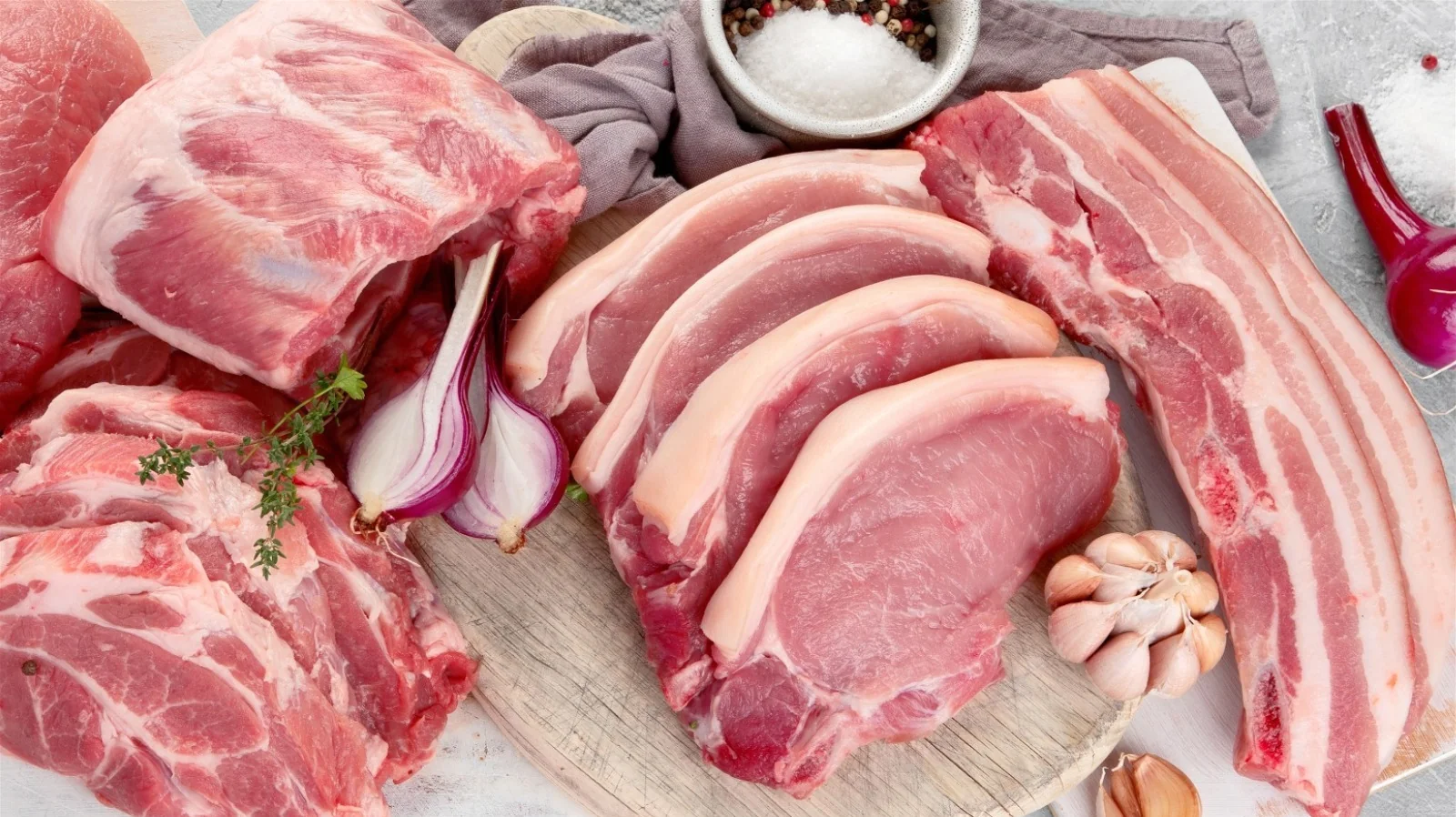
After months of steep meat inflation that severely eroded small business margins, wholesale pork prices have fallen from 40 rand per kilogram to approximately 30 rand per kilogram.
This sudden price drop stems from an unexpected market oversupply created when imported shipments landed at the exact time domestic pig producers recovered from disease restrictions.
Cheaper pork offers an immediate commercial buffer for small food enterprises struggling with high operational costs.
Supply shift drives down wholesale costs
The wholesale price collapse represents a sharp reversal from earlier in the year when disease fears led to expectations of severe meat shortages.
Eskort Chief Executive Officer Arnold Prinsloo explained the sudden shift in market dynamics.
“Instead of the shortages many anticipated, the market has swung in the opposite direction,” Prinsloo said.
“Imports arrived at the same time as local supply recovered.”
He further noted that current market conditions offer welcome financial relief. “The current market conditions are good news for consumers,” Prinsloo added. “We have ample supply, lower prices and, importantly, no food safety risk.”
The resulting cost relief is already reaching retail counters and wholesale supply hubs.
Retail pork chop prices have fallen from 120 rand per kilogram to around 80 rand per kilogram, while boerewors prices dropped from 120 rand to 100 rand per kilogram.
For independent food sellers who faced severe margin compression when beef and poultry prices inflated, these lower wholesale prices allow small vendors to rebuild profit margins without pushing away cost-conscious township customers.
Disease protocols and value chain realities
The South African Pork Producers Organisation highlighted the complex industry dynamics behind this sudden oversupply.
SAPPO Chief Executive Officer Dr. Marlene Louw noted that the industry experienced a rapid shift from shortage anxieties to surplus conditions.
Biosecurity measures following outbreaks of African swine fever and foot and mouth disease initially triggered precautionary pork import orders. Because sea imports take eight to ten weeks to arrive, those shipments reached local ports at the exact moment domestic farms cleared mandatory quarantine restrictions, flooding the market.
SAPPO data reveals that the local pork market is extraordinarily sensitive to supply shifts, where even a two percent drop in domestic supply can push retail prices up by ten percent.
Furthermore, SAPPO reported that recent African swine fever containment, disposal, and culling operations cost the organisation more than ten million rand. While primary pig farmers absorb heavy financial strain from falling farmgate payouts and high biosecurity expenses, SAPPO emphasised that the surplus meat is completely safe, giving downstream buyers reliable access to affordable stock.
Local caterer and butcheries reclaim profit margins
Cheaper pork has created an immediate practical advantage for township businesses and eateries.
Sibusiso Khumalo, owner of a Soweto-based shisa nyama and catering enterprise, emphasised how crucial this price drop is for daily business survival.
“High beef and chicken prices were killing our margins, and customers simply could not afford expensive meals,” Khumalo said. “The drop in pork prices allows us to introduce affordable pork platters and braai combos, which protects our profitability while giving township patrons affordable dining choices.”
Khumalo added that shifting menu focus toward pork helped his catering business recover.
“When beef and mutton prices climbed out of reach, pork became an essential product to keep our doors open,” he noted. “Getting wholesale cuts at 30 rand a kilo means we can actually make a profit again.”