













































Small farming enterprises, transport operators and informal businesses are bracing for disruptions as a cut-off low-pressure system brings heavy rain, flooding, snowfall and bitterly cold conditions to parts of the Eastern Cape and KwaZulu-Natal this week, threatening livelihoods and business activity.
The South African Weather Service (SAWS) has issued an Orange Level 6 warning for disruptive rainfall along the Eastern Cape coast and adjacent inland areas between East London and Port Edward, warning of flooding of roads, bridges and settlements, as well as damage to property and infrastructure.
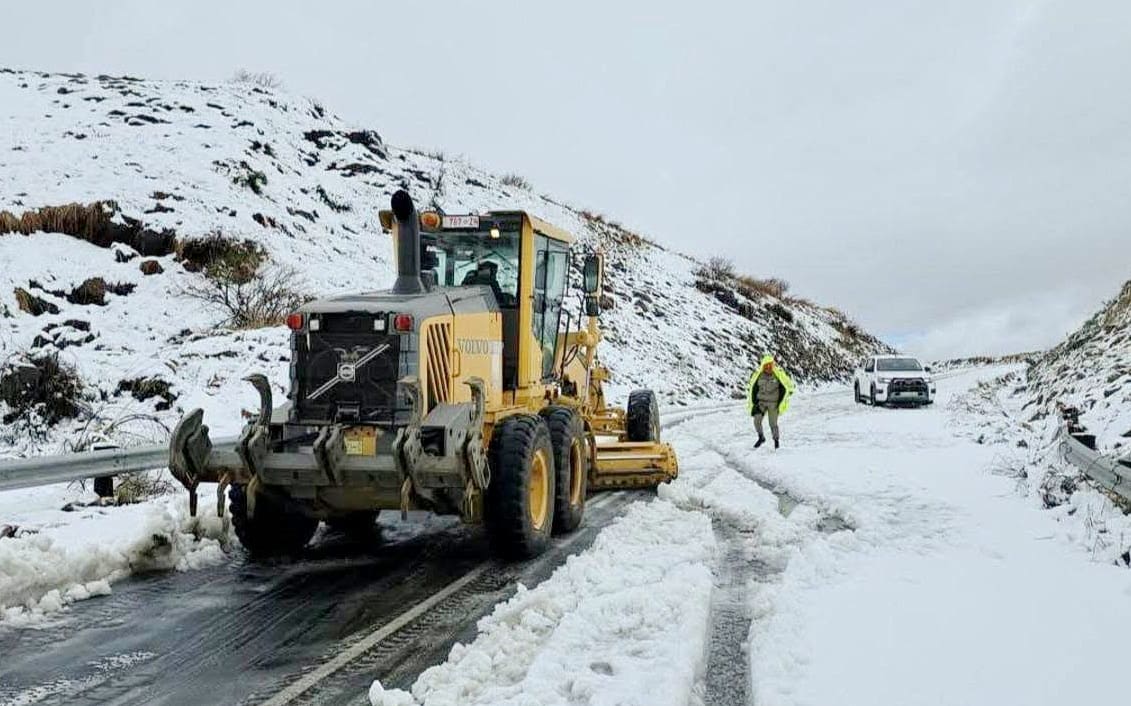
An Orange Level 5 warning has also been issued for disruptive snowfall over the extreme north-eastern high-lying areas of the Eastern Cape, where traffic disruptions, interruptions to essential services and communities being temporarily cut off are expected.
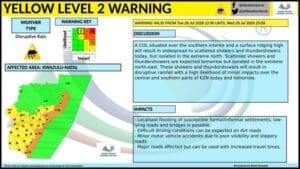
In KwaZulu-Natal, SAWS has issued a Yellow Level 4 warning for disruptive rainfall along the coast and adjacent inland areas south of St Lucia, where flooding of roads, bridges and settlements is expected. A Yellow Level 2 warning has also been issued for disruptive rainfall across the eastern parts of the province, excluding the extreme north-east, while the eastern parts of the Eastern Cape remain under a Yellow Level 2 warning for additional disruptive rainfall.
The adverse weather is expected to disrupt transport routes, delay deliveries, damage crops and livestock, and reduce customer foot traffic, placing additional pressure on small businesses that depend on daily trade and reliable road networks to generate income.
Transport businesses face immediate disruptions
Transport operators are likely to be among the hardest-hit businesses as flooding, snow-covered roads and poor visibility increase the risk of road closures and travel delays. Taxi operators, bus companies, e-hailing drivers, courier services and small freight businesses could experience operational disruptions, while delayed deliveries may have knock-on effects for businesses that rely on regular stock replenishment.
For small logistics operators and delivery businesses, inaccessible roads could mean higher operating costs, missed delivery deadlines and reduced revenue.
Small enterprises and street traders under pressure
Emerging farmers are also expected to feel the impact as heavy rainfall and snowfall threaten agricultural production. Livestock farmers may have to move animals to safer areas and provide additional feed and shelter, while vegetable and crop farmers risk flooding, waterlogged fields and delayed harvesting.
Transport disruptions could also prevent fresh produce from reaching markets on time, affecting both farmers’ incomes and food supply chains.
Street traders and informal businesses operating in taxi ranks, transport interchanges and open-air markets are expected to experience reduced customer traffic as commuters avoid travelling during severe weather.
Businesses selling fresh produce, clothing and prepared food may also incur losses if stock is damaged by rain or if trading is suspended because of unsafe weather conditions.
Spaza shops and other small retailers in rural communities could face delays in receiving stock should roads become impassable. This may result in temporary shortages of essential goods and higher transport costs, particularly for businesses that depend on regular deliveries from wholesalers.
Small food outlets, takeaways and catering businesses may also record lower sales as fewer customers venture out during the cold and wet conditions.