









































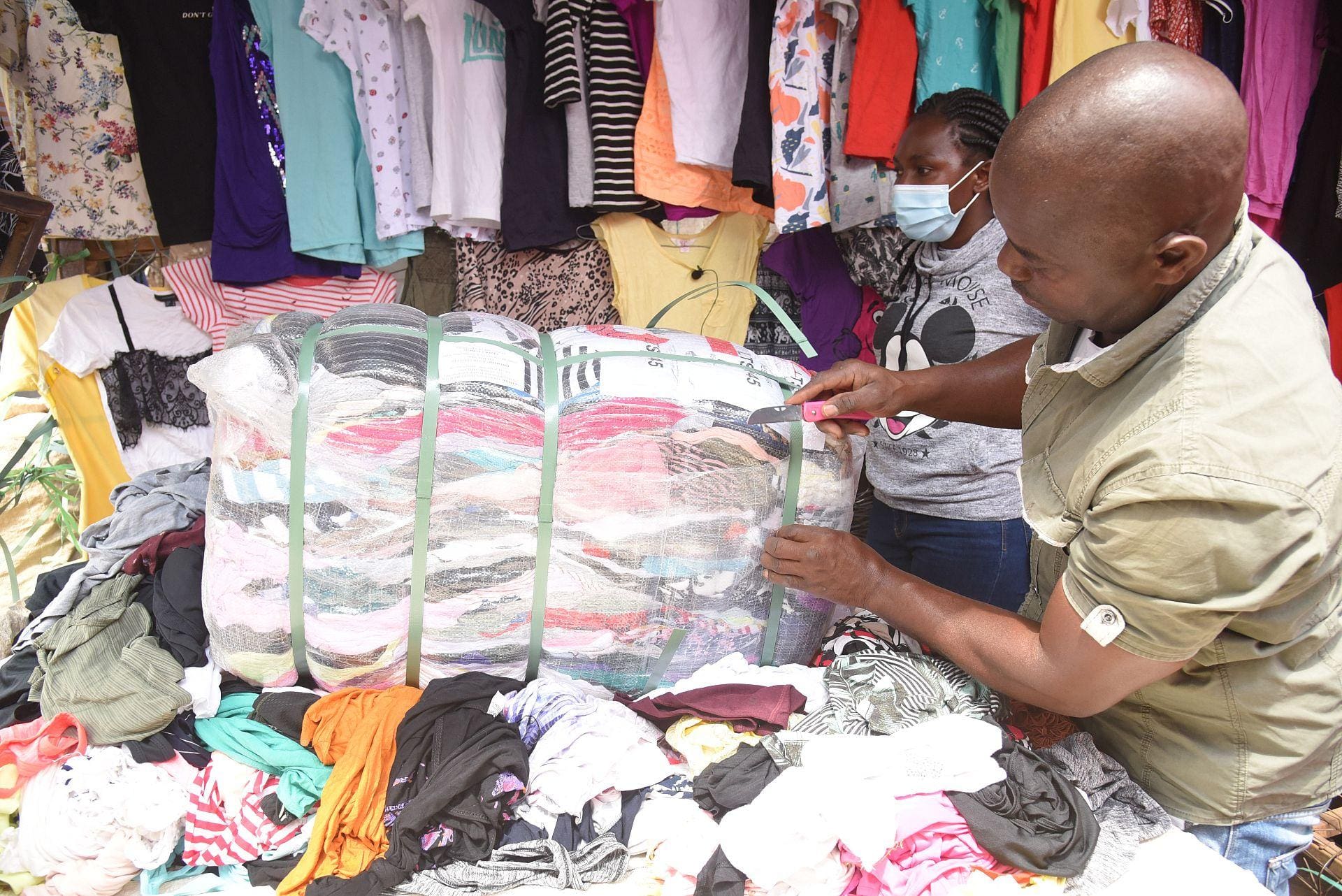
Entrepreneurs are building thriving businesses by selling second-hand clothing bought in bulk bales and resold in informal markets.
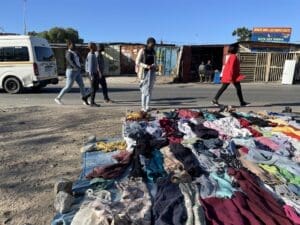
Known locally as dunusa—a Nguni word meaning ‘to bend down’—the name captures the familiar sight of shoppers leaning over piles of clothes to find their next bargain.
Trader Annah Sibambo started her hustle with a small amount of capital. Like many Dunusa traders, she sources her stock from second-hand clothing wholesalers, bale suppliers and distributors, with some traders travelling to major commercial centres to buy stock or using established supplier networks to have clothing delivered to them. Other traders find suppliers through Facebook groups, WhatsApp networks, referrals and informal contacts.
“I started small because I could not afford to open a shop. I realised that people were looking for affordable winter clothes, so I decided to buy stock and sell it,” said Sibambo.

The cost of entering the business depends on the type of clothing being purchased. A trader could, for example, spend between R3 000 and R10 000 or more on a bale or bulk stock, depending on whether it contains jackets, coats, branded clothing or mixed garments.
The entrepreneur must then add transport and trading costs. For instance, buying a R5,000 bale containing around 100 saleable items sets the average unit cost at R50.
If those items are sold for an average of R100 each, total sales could reach approximately R10 000, giving a potential gross profit of R5 000 before deducting transport and stall fees, damaged goods and other expenses.
However, this is not guaranteed. If only 70 of the 100 items sell, or if the average selling price is lower, the profit margin could shrink significantly.
Where do dunusa traders get their stock?
Traders typically buy stock from second-hand clothing wholesalers and bale distributors, while others use supplier contacts in major cities Durban and Johannesburg or purchase directly from businesses involved in the used-clothing supply chain.
Some traders also source through online marketplaces, social media groups and word-of-mouth networks.
Yully Khoza, who has been in the market for three years, said finding a reliable supplier can be challenging.
“When you are new, it is difficult because you do not always know where to buy good-quality bales. Some people want money just to give you the supplier contact; there’s no support in this business,” Khoza noted.
This creates a potential opportunity for more transparent supplier networks that could connect small traders directly with legitimate distributors.
For entrepreneurs, the goal is to find stock that is affordable enough to leave room for profit while maintaining the quality customers expect.
Once the stock has been purchased, location becomes the next key decision.
Taxi ranks, clinics, SASSA offices, Home Affairs offices and flea markets are popular trading locations because of the large numbers of people passing through them. For traders, these locations provide access to customers without the cost of renting a formal retail shop.
This affordability is particularly important for households under financial pressure. But traders also face competition, bad weather, security concerns and uncertainty around access to trading spaces.
Can the bale become a sustainable business?
The bigger question is whether Dunusa can move from a survivalist hustle into a sustainable SMME sector. According to Peter Manyisa, a transport operator serving bale traders, financial management is critical.
“Entrepreneurs need to understand their numbers. They must know what they spend on stock and other costs, and what they actually make as profit, as I transport people who know what they are going to buy when we get to the location to save time,” Manyisa said.

Social media is also changing the business. Traders are using WhatsApp, Facebook, Instagram and TikTok to advertise new stock and reach customers outside their normal trading locations. For a young entrepreneur, this could mean starting with a single bale and eventually developing a customer base, employing others and moving into a formal retail space.
But the growth path requires more than selling clothes. Dunusa entrepreneurs need access to reliable suppliers, affordable working capital, business training and secure trading spaces.
Dunusa trade allows aspiring entrepreneurs to enter the retail market without the high costs of opening a formal clothing shop.