











































The rapid shift toward software-defined automation, real-time predictive control, and integrated digital systems is changing how primary mining houses operate across Southern Africa.
While Tier-1 original equipment manufacturers and mining houses increasingly use artificial intelligence, digital twins, and smart telemetry to improve efficiency and reduce downtime, smaller engineering suppliers face a growing technology and capital gap.
For SMEs that provide specialised components, fabrication, and maintenance services, keeping pace with these changes is becoming increasingly important as mining supply chains become more digitally connected.
The capital barrier to smart integration
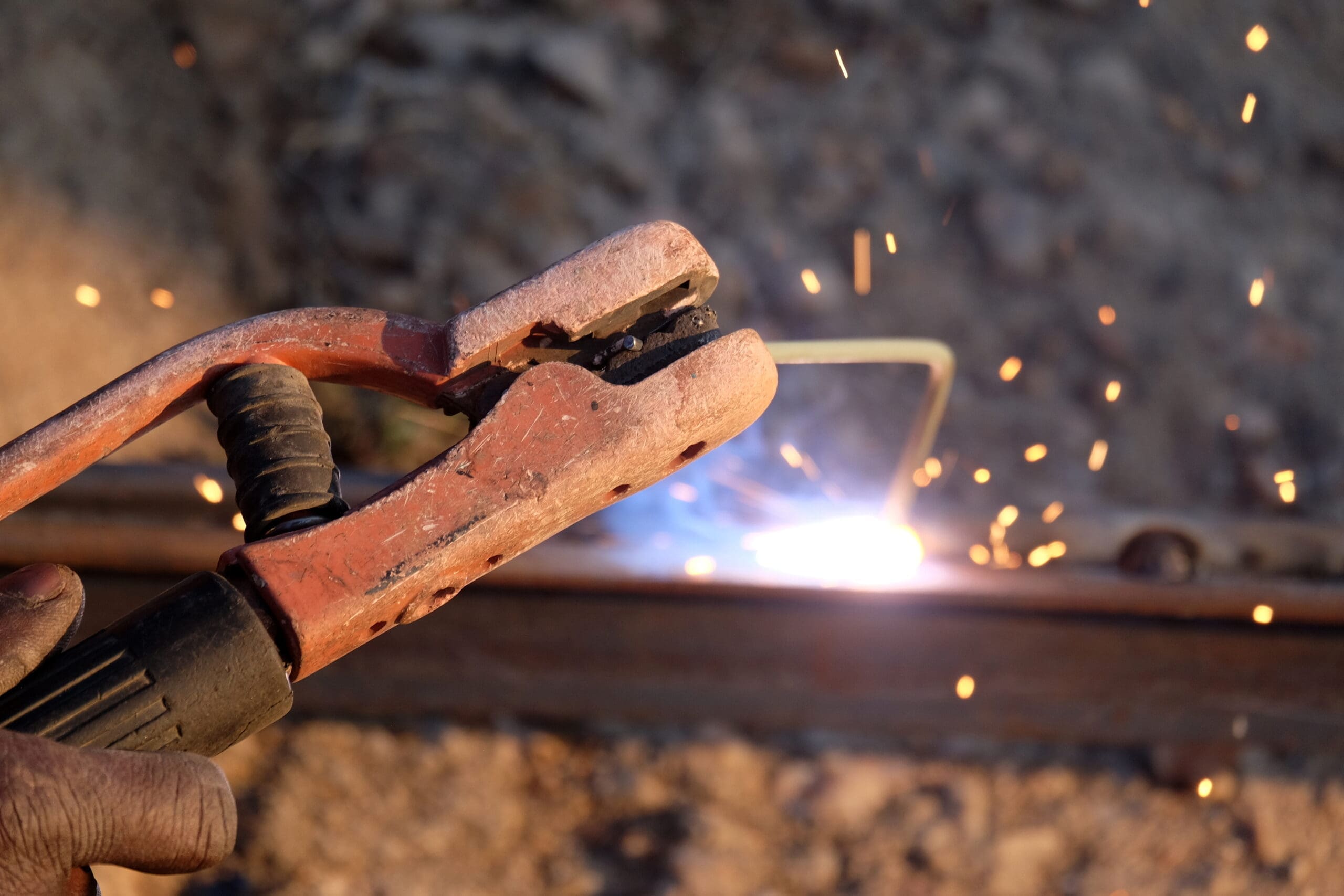
Small engineering workshops and specialised micro-contractors remain important to local industrial supply chains, supplying replacement parts, structural welding, and custom machining.
However, the requirements placed on suppliers are evolving alongside mining technology. Tier-2 and Tier-3 suppliers are increasingly expected to work within connected mine environments, where components and equipment can be integrated with condition-monitoring systems and operational data platforms.
For a small machining workshop or local foundry, upgrading existing equipment to support this level of digital integration requires significant investment.
High interest rates, rising municipal electricity tariffs, and tight operating margins make it difficult for micro-enterprises to finance specialised CNC simulation software, digital diagnostic tools, and technical training.
Charl Marais, Local Division Manager for ABB South Africa’s Process Automation division, emphasised that mining operations require a practical approach to transformation, noting that “mining operations are complex environments, and transformation has to work within that reality” and adding that “the real opportunity lies in bringing together electrification, automation and digital technologies to create smarter, more resilient operations.”
Procurement requirements are changing
As larger mining operations adopt increasingly connected systems, smaller suppliers that cannot keep pace with technological requirements face greater pressure to remain competitive.
The challenge is not simply acquiring new technology; SMEs must also understand how digital tools can be integrated into their existing engineering capabilities without placing unsustainable pressure on their finances.
Highlighting the financial reality on the workshop floor, Lethabo Malatji, founder of East Rand Precision Engineering, noted that smaller operators struggle to justify high software compliance costs without guaranteed long-term contracts.
“When a Tier-1 mine asks us for telemetry-ready machining or digital compliance data, we aren’t just looking at buying a sensor, we have to pay annual enterprise software licenses that equal two months of our payroll,” Malatji explained. “Without multi-year off-take agreements from the mines to back those capital upgrades, small workshops simply cannot absorb the risk of digitising on spec.”
Supporting SMEs through the transition
Industry specialists caution that technology cannot replace practical engineering knowledge, with the greatest value coming from combining digital innovation with an understanding of individual operations and their requirements.
Innomotics Country Director Tim Walwyn highlighted the importance of combining global digital capabilities with local engineering expertise, particularly as mining companies work to modernise existing assets, stating that this approach can help “support both new projects and the modernisation and extension of existing assets.”
For smaller engineering businesses, access to shared diagnostic facilities, software platforms, and structured technical training could help reduce the barriers to digital adoption. As mining operations become more connected, the ability of local suppliers to participate in these digital value chains will depend on whether they can access the technology and skills needed to remain competitive under local content frameworks.