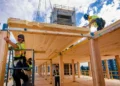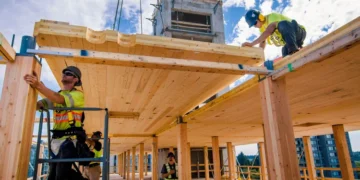












































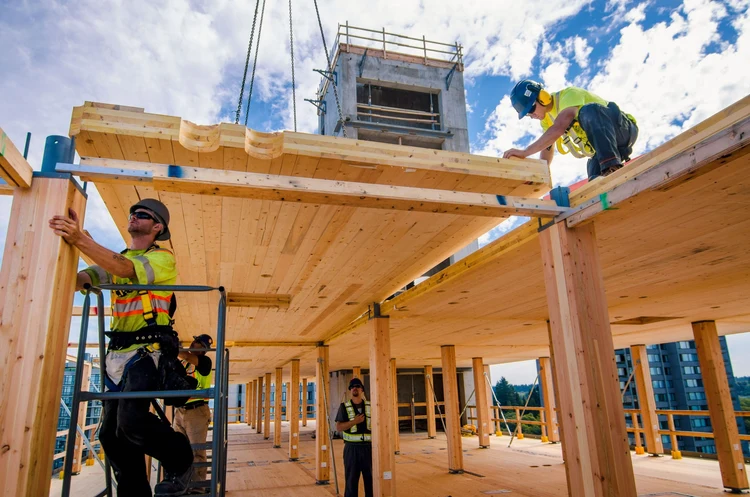
New timber construction projects are opening opportunities across the forestry and building industries, with wood being used in everything from affordable housing to multi-storey buildings and industrial projects.
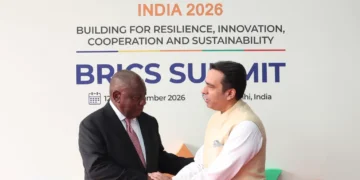
The developments were highlighted at the fourth national Timber in Construction Conference held at the University of Pretoria on Tuesday under the theme Connected by Timber: From Forests to Future Cities.
The conference showcased several projects already using timber, including affordable housing in Langa, Cape Town, multi-storey apartments and commercial buildings in Rosebank, Johannesburg, a five-star hotel in Plettenberg Bay and Premier Foods’ new flour mill in Fort Jackson, Kugompo City.
The projects show how timber can create business opportunities beyond traditional forestry and sawmilling. Greater demand could benefit companies involved in timber processing, manufacturing, engineering, architecture and construction.
Deputy Minister of Trade, Industry and Competition John Steenhuisen said the timber sector could contribute to innovation, local production and job creation while helping address the housing shortage.
“The sector offers a significant opportunity for innovation, localisation and employment, and can directly contribute to addressing South Africa’s large housing backlog.”
Steenhuisen also pointed to modular and prefabricated timber components, which he said can reduce construction time and costs.
Timber creates new markets beyond the forest
The government has been pushing the industry to find more uses for timber and create additional income across the forestry value chain.
The DTIC says its strategy aims to increase the use of timber in construction while supporting growth and job creation in the forestry industry.
Steenhuisen said timber construction is also linked to the department’s industrial strategy.
“The conference speaks directly to decarbonisation and diversification, which are key pillars of the DTIC’s Industrial Development Strategy.”
He said decarbonisation means replacing more carbon-intensive building materials with materials that have a lower carbon impact. Diversification includes developing more local construction products and creating opportunities in export markets.
This could give timber companies more ways to make money from locally produced wood instead of relying mainly on traditional timber products.
The push is not new. At the first Timber Construction Conference in 2023, former dtic Deputy Minister Nomalungelo Gina said the Master Plan for the Commercial Forestry Sector identified demand creation and capacity building as two key areas needed to grow timber construction.
“These pillars call for an urgent enhancement in the use of engineered timber products in South Africa’s built environment, particularly within state-owned entities,” Gina said.
Skills and research matter
While more timber projects are coming through, the industry still needs people with the skills and technical knowledge to design and build with modern timber products.
Steenhuisen said more public education is needed to show that timber can be used as a construction material alongside traditional brick-and-mortar methods.
He also called on universities to strengthen research into wood-based building materials and construction methods, using international best practice while developing solutions suited to local conditions.
Gina raised the same concern at the 2023 conference.
“We must deal with the lack of skills and supporting technical data for wooden materials,” she said, while calling for digital training and stronger university research into wood-based building materials and methods.
The latest conference also highlighted the role of partnerships in building this capacity.
The University of Pretoria and York Timbers extended their long-term partnership around the York Timbers Chair in Wood Structural Engineering, held by Professor Shalk Grobbelaar.
Grobbelaar said the conference showed different parts of the industry working more closely together.
“We want to keep pushing the limits of what timber can do, create things that have not been done here before, and show that innovation can create value for industry, while also making a positive contribution to people and the environment.”