








































Rising produce and transport costs are squeezing the profits of women traders at the popular 24-hour Tshakhuma Fruit Market in Tshakhuma, Limpopo, forcing some to source stock from outside the area.
The traders raised the concerns when Limpopo Premier Dr Phophi Ramathuba met women at the market in Thulamela Local Municipality on Tuesday, 22 September, ahead of Heritage Day.
The higher costs are making it harder for small traders to keep prices affordable while covering the cost of buying and transporting their stock and still making a profit.
Masindi Mudau, chairperson of Tshakhuma Fruit Market, said the area used to have more farmers producing bananas, sweet potatoes and other fresh produce, but traders now have to look elsewhere for stock.
“If they overcharge us, it kills our profit,” Mudau said.
The market is a popular stopover for travellers along the Punda Maria road which links the town of Louis Trichardt and the Kruger National Park.
Traders pay more to source stock
Mudau said traders have to add transport costs when they buy produce outside Tshakhuma.
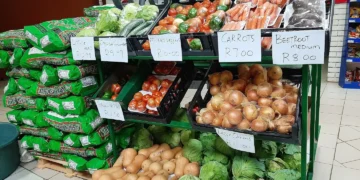
She said sweet potatoes can cost about R250 before transportation, leaving traders with higher costs before the produce reaches their customers.
The traders also face challenges when buying bananas directly from farmers. Mudau said farmers may prefer buyers who can take around 50 crates, while smaller traders can often afford only one or two crates.
This can leave smaller businesses buying from larger buyers at higher prices, adding another cost to their stock.

Mudau said traders want better access to local farmers so they can buy produce directly and reduce the additional costs.
Support could ease business pressure
The traders also want government support to help them deal with the costs of running their businesses.
Mudau appealed to government and the Department of Small Business Development for assistance, while also raising concerns about customers asking for “bhasela”, or extra produce after buying from the traders.
She said this puts further pressure on traders who are already working with limited profits.
Mudau also raised concern about amounts that traders are being asked to pay to the Makhado Local Municipality from the Covid-19 lockdown period. She said traders were unable to operate during the lockdown and questioned how they could repay money accumulated when they were not trading.
The traders want the matter addressed so they can continue operating without the outstanding amounts affecting their businesses.
Market improvements planned
Ramathuba said the government would continue supporting Tshakhuma Fruit Market and outlined several measures aimed at improving conditions at the market.
She said the market’s lights were not working when the government inspected the site, but they have since been repaired.
Traders will also receive new umbrellas to protect their stock from the sun and rain, while Ramathuba said Tshakhuma would have water by 20 October.
Ramathuba also announced a combined R60,000 contribution to the traders. She said R50,000 from a birthday voucher would be passed to the market, with additional contributions bringing the total to R60,000.
The market is also set to be painted after Capitec Bank agreed to assist with the work.
Ramathuba said discussions would also take place around card-payment facilities, which could allow traders to accept electronic payments from customers, including tourists.
The traders have also called for the market to be officially opened and properly supported so they can operate from a formal trading space.
The changes could help address some of the operating challenges faced by the traders, but access to affordable stock remains a key concern for the small businesses selling at Tshakhuma.