















































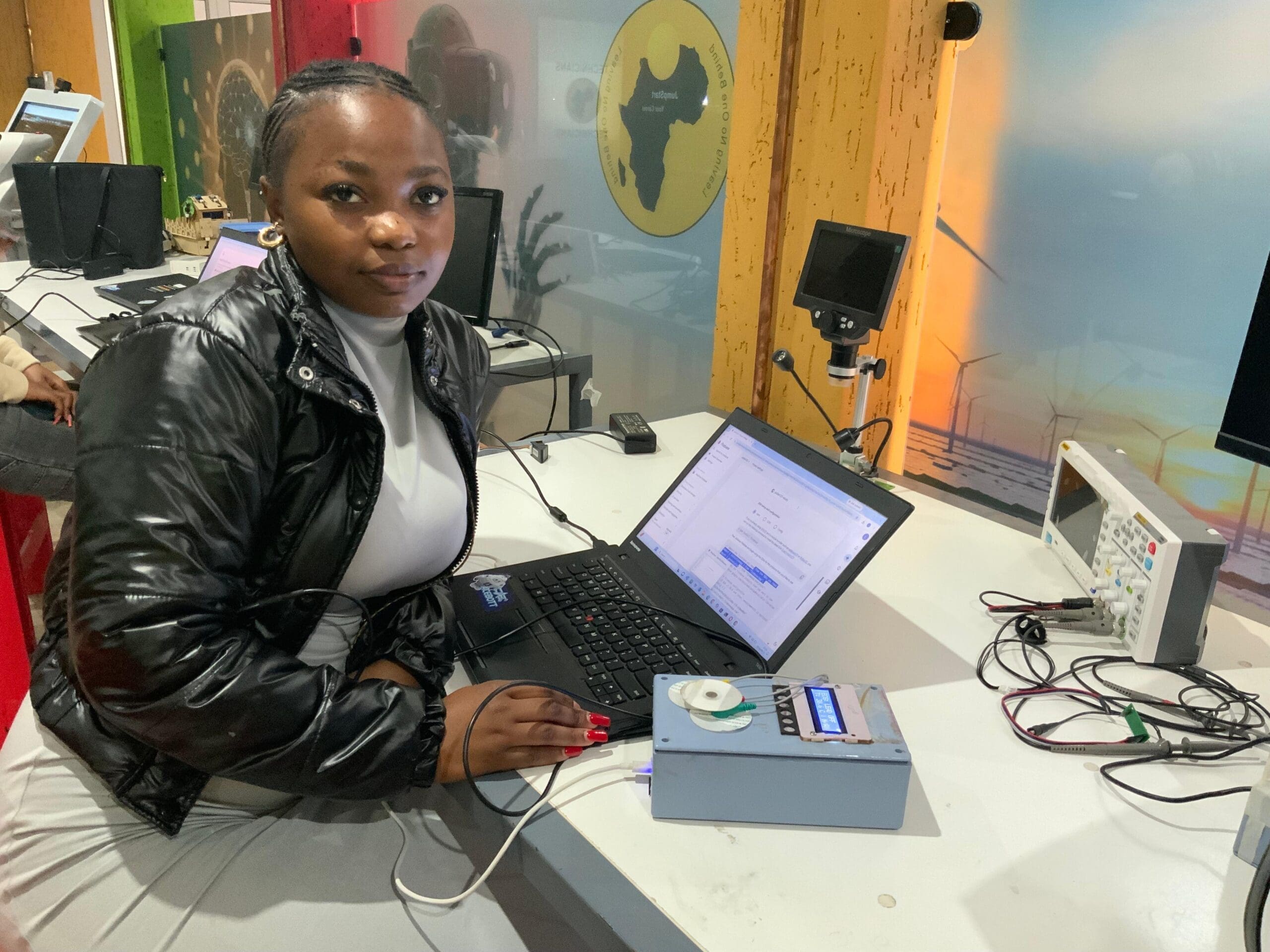
A 23-year-old Mpumalanga entrepreneur has launched a healthtech venture to eliminate long queues and paper-based tracking in rural clinics.
Lerato Mokoena is developing PulseLogic, a healthcare management and decision-support system under her company, Tshepa Group, with public and private clinics and hospitals as its target market.
The product is still in development and testing and has not yet been piloted in a healthcare facility or generated significant revenue.
From healthcare frustration to innovation
Mokoena said PulseLogic was inspired by challenges she experienced while accessing public healthcare in a rural community.
“PulseLogic was inspired by my experience of using public healthcare services in a rural community. I saw challenges such as long waiting times, manual processes, patient prioritisation and difficulties with accessing patient information,” she said.
Her move into technology gained momentum after joining the Jumpstart Your Career Innovation Hub, where she completed a 10-month IT learnership and gained coding and website-development skills.
“This gave me the foundation to start turning the healthcare challenges I had experienced into a technology-based solution,” Mokoena said.
PulseLogic is intended to manage patient information, appointments and referrals while supporting queue management and using symptoms and vital signs to help identify patients who may require urgent attention.
Building a business around the solution
The project has been supported by the Innovation Hub, which has provided components and resources needed for the project.
Her entrepreneurial journey received another boost when she won a prize through the MTN Women in Digital Business Challenge, securing funding to support the business. “The opportunity also gave me exposure, confidence and valuable experience as a young woman building a technology business,” she said.
Mokoena plans to generate revenue by providing healthcare organisations access to PulseLogic’s patient management, smart queue management, vital-sign monitoring, appointment, referral and reporting services, alongside supporting hardware. The final pricing model is still being developed.
First pilot remains critical
Before PulseLogic can become commercially viable, Mokoena needs an opportunity to test it in a real healthcare environment.
“The biggest challenge is getting the opportunity to test and pilot PulseLogic in a real healthcare facility,” she said.
The process will also require addressing testing, validation, patient privacy and security before healthcare institutions can confidently adopt the system.
Mokoena said being a young entrepreneur from a rural community has brought additional challenges, including limited access to resources, technical support and networks.
Her immediate focus is completing development, receiving feedback from healthcare professionals and securing a pilot. “For me, success would be seeing PulseLogic move from a developing solution into a properly tested platform that can be used to improve healthcare services,” she said.
In the longer term, Mokoena wants Tshepa Group to build partnerships, create opportunities and expand PulseLogic into public and private healthcare facilities.