















































South African businesses and tax professionals have urged Parliament to consider the practical impact of proposed tax changes as lawmakers scrutinise three bills that will shape the country’s tax framework.
The Standing Committee on Finance heard from 10 stakeholders on Wednesday, 30 September, as part of its public participation process on the 2026 draft Rates and Monetary Amounts and Amendment of Revenue Laws Bill, the draft Taxation Laws Amendment Bill and the draft Tax Administration Laws Amendment Bill.
The stakeholders included the South African Institute of Taxation, South African Institute of Chartered Accountants, PKF South Africa, the Alternative Information and Development Centre and industry bodies representing the alcohol, tobacco and wine sectors.
The draft Rates Bill contains several changes relevant to businesses, including amendments to VAT thresholds, customs and excise duties, the Diamond Export Levy and Carbon Tax.
One of the most significant changes for smaller businesses is the proposed increase in the compulsory VAT registration threshold from R1 million to R2.3 million a year.
The voluntary VAT registration threshold would also increase from R50 000 to R120 000. National Treasury has proposed that both changes take effect from 1 April 2026.
SARS has already been administering the higher thresholds from 1 April, although the amendments still have to complete the legislative process. Businesses below the new compulsory threshold can also consider deregistering from VAT, subject to the applicable requirements.
The changes can have implications beyond compliance for small businesses.
A business that deregisters from VAT may no longer be able to claim input tax in the same way, while its VAT status can also affect pricing and whether customers prefer to trade with it. SARS has advised businesses considering deregistration to assess their ability to claim input tax and their customers’ preferences.
The 2026 Budget also proposes increasing the turnover limit for the turnover tax regime for micro-businesses from R1 million to R2.3 million. The regime is designed to provide qualifying smaller businesses with a simplified tax system based on turnover rather than profit.
However, the tax bills before Parliament extend beyond small-business thresholds.
The draft Taxation Laws Amendment Bill proposes changes involving special economic zones, leasehold improvements, donations tax involving a non-resident spouse, living annuities and carbon-budget compliance refunds.
The draft Tax Administration Laws Amendment Bill includes proposed changes to temporary admission carnets, documentary requirements for second-hand goods, the screening of tax refunds by banks and interest relief relating to defaults disclosed through voluntary disclosure applications.
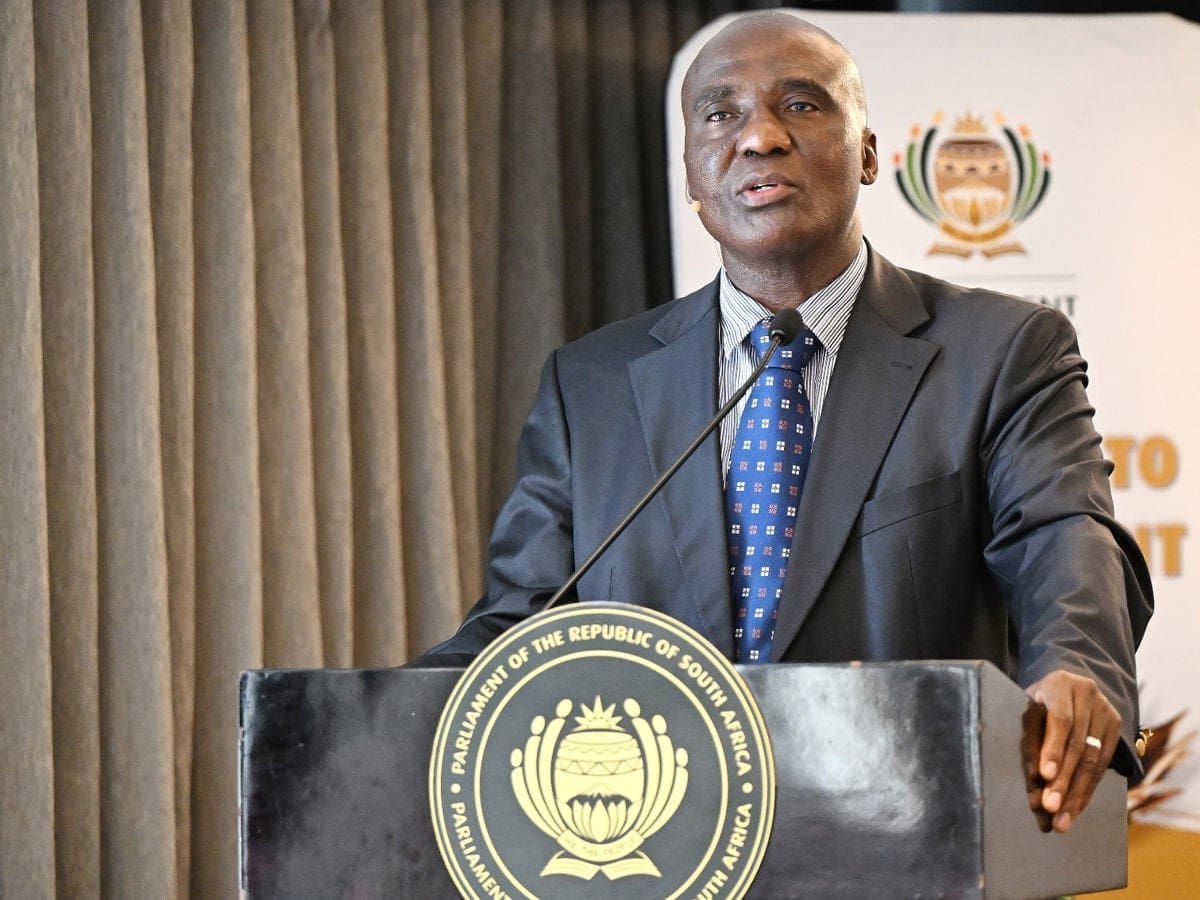
Committee chairperson Joe Maswanganyi said the hearings are intended to ensure that Parliament considers the practical consequences of the proposals before the legislation is finalised.
“The public hearings are an important opportunity for Parliament to listen to those who will be affected by these proposed changes and to consider their submissions before the committee finalises its work,” Maswanganyi said.
He said the committee would consider the oral and written submissions alongside responses from National Treasury and the South African Revenue Service.
“Our role is to listen, interrogate and consider the evidence before the committee. The submissions received today will therefore be considered as part of the committee’s deliberations on the bills,” Maswanganyi said.