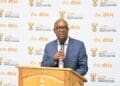







































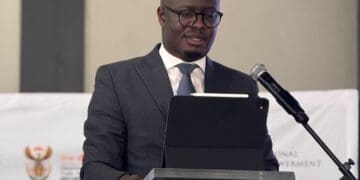






Finance Minister Enoch Godongwana has that the government will boost its contingency reserve to R10 billion for the 2026/27 financial year to address El Niño concerns, droughts, and other risks.
The allocation is intended to give government additional financial capacity to respond to emergencies amid uncertainty in the global economic environment.
The announcement comes as farmers face challenging weather conditions that threaten agricultural production, with some already reporting the effects of prolonged dryness and heat-related crop diseases.
Godongwana made the announcement during his Medium-Term Budget Policy Statement at Cape Town’s Good Hope Chamber on Wednesday.
He indicated that the increased contingency reserve will provide for responses to El Niño, as well as potential additional energy price shocks.
“The contingency reserve has increased to R10 billion to respond to the potential threat associated with El Niño and other risks,” said Godongwana.
He highlighted that the R5 billion allocated in February has been exhausted as a result of the disaster.
“We are worried that through El Niño we may hit other disasters in December and January and so we are re-capitalizing another 10 billion in addition,” he added.
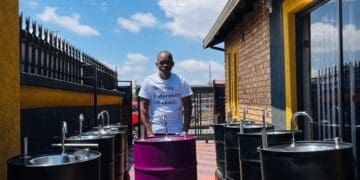
Tebogo Nyathela from Farmers Hope said the organisation is considering taking drastic measures due to the adverse weather conditions.
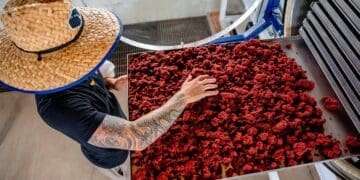
“At Farmers Hope we are experiencing very dry conditions and heat-related disease. This has affected some of our crops already. We think of halting the planting schedule until next year,” Nyathela said.
Delaying planting could affect production timelines and potentially reduce the number of crops harvested during the next growing season.
She also expressed concern regarding access to the contingency reserve to farmers who need support, and how the money would translate into practical assistance for agricultural producers.
El Niño is a climate phenomenon that can influence weather patterns across southern Africa and contribute to hotter and drier conditions in some areas.
Reduced rainfall and high temperatures can affect soil moisture, water availability and crop development, placing additional pressure on farmers already dealing with rising production costs.
For crop producers, prolonged dry spells can delay planting, hinder germination and reduce yields.
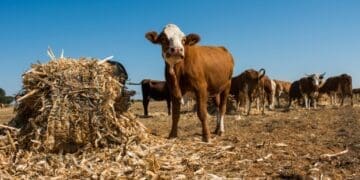
Livestock farmers may also experience difficulties as grazing deteriorates and water sources become less reliable, potentially increasing the cost of feeding and maintaining animals.
The reserve forms part of government’s broader fiscal planning to ensure resources are available to respond to unexpected events.
However, the announcement does not, on its own, confirm that the entire R10 billion will be allocated directly to farmers or that a dedicated drought-relief programme has been established.
Dr Caroline Gwangwa, founder of Farmland said the R10 billion contingency reserve announced in the Medium-Term Budget Policy Statement is an important step in preparing for potential drought and El Niño impacts. She however expressed that resilience requires more than emergency funding.
“We must also invest in developing farmers’ capacity to anticipate risks, manage resources and build sustainable agricultural enterprises. The priority should be to connect timely support with practical farmer development, ensuring that emerging farmers are better equipped not only to withstand climate shocks, but to progress towards long-term commercial sustainability,” she added.
The extent to which agricultural producers benefit will depend on how the funds are deployed, the eligibility criteria for assistance and the government departments responsible for implementing any relief measures.
As the agricultural sector prepares for the possibility of continued dry conditions, the implementation of the announced reserve will be closely watched by producers seeking clarity on whether financial assistance will be available and how they can access it.