









































The Dei Gratia Guest House in Musina, Limpopo, prepared its rooms, stocked up on supplies and offered breakfast and lunch packages in preparation for the annual Mapungubwe Lecture Series hosted by the SA National Parks (Sanparks).
Caroline Ramautswa Azwidovhiwi, receptionist at the establishment said most of the guests were attending the Mapungubwe event and bookings.
“Bookings were much better than a normal weekend, we were fully booked,” she said.
The guest house worked directly with the event organiser, who referred attendees to the establishment for last weekend’s event.
The Mapungubwe Lecture Series gave local businesses in and around Musina a busy weekend, with accommodation providers reporting strong bookings and people in transport, catering and entertainment hired to help deliver the event.
The programme celebrates Mapungubwe’s history and African heritage, with South African National Parks (SANParks), which manages Mapungubwe National Park, responsible for conserving the area’s natural and cultural heritage.
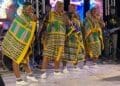
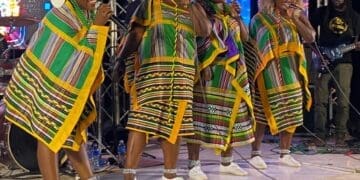
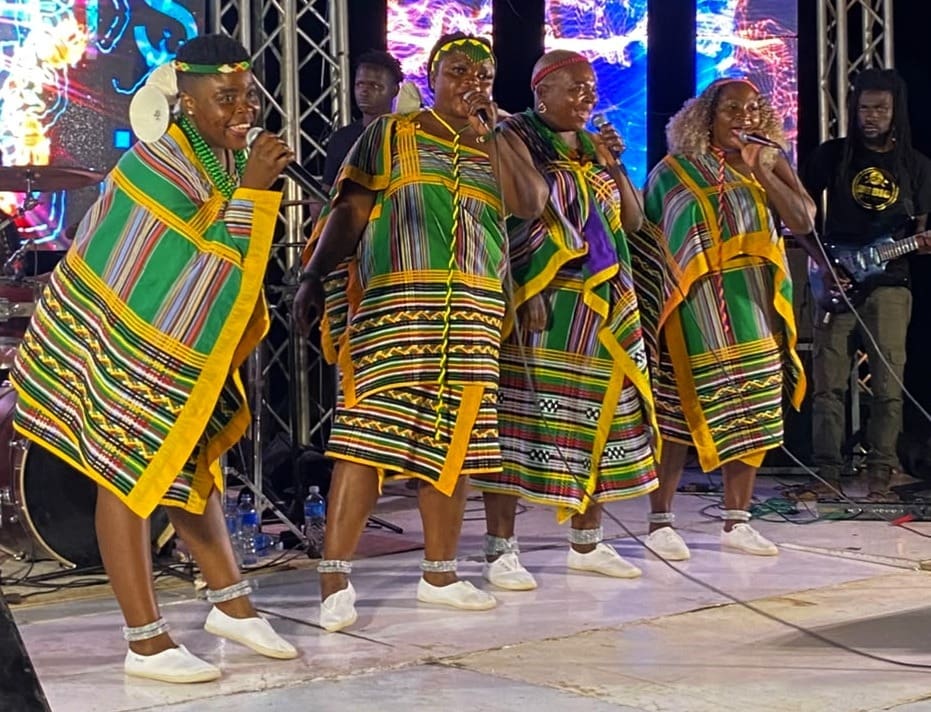
Hosting the event also required a range of services, from transporting attendees and media teams and providing meals and accommodation to setting up sound equipment and décor. Performers were also hired, creating work beyond the lecture programme itself.
Transport operators were hired to move attendees and media teams, while catering businesses provided food. Performers, sound providers and people responsible for décor also contributed to the programme.
For businesses providing these services, the event meant an opportunity to earn income from work linked to the programme.
The extra guests brought business to the restaurant, which meant buying more supplies from local suppliers. The guest house also brought in additional casual staff to help manage the busy period.
“Yes, our restaurant did well and we bought more from local suppliers,” Caroline said.
Her account shows how the benefit of an event can extend beyond the business receiving the booking. Increased restaurant activity means more demand for supplies, while extra shifts can provide temporary work for people who help businesses serve their customers.
Tourism already plays a significant role in South Africa’s economy. Statistics South Africa reported that it contributed R361.7 billion to gross domestic product in 2024, accounting for 4.9% of the economy. The sector directly employed 953,981 people during the year.
Those figures cover the country’s tourism sector, rather than the Mapungubwe event itself. However, the activity reported by businesses in Musina illustrates how cultural programmes can support hospitality and other services when people travel to attend them.
Caroline said businesses could benefit more if organisers announced event dates earlier and shared a list of local accommodation providers with delegates.
“Early notice of event dates and sharing a list of all local accommodation with delegates would help local businesses benefit more,” she said.
Giving businesses notice allows them to prepare rooms, arrange staff and buy supplies. Organisers can also identify local transport, catering, entertainment and technical service providers ahead of time, giving more businesses an opportunity to tender or be considered for work.