














































South African exporters face losing preferential access to the US market after Washington announced plans to remove the country from the African Growth and Opportunity Act (AGOA) from 1 January 2027.
The exclusion comes after US President Donald Trump signed legislation in September 2026 extending AGOA to 2028, falling short of the 15-year extension South Africa had sought.
The decision puts businesses that rely on the programme’s trade benefits under pressure, particularly agricultural and manufactured goods exporters.
The Trump administration intends to terminate South Africa’s participation in 2027, following its annual review of beneficiary countries.
South African businesses can still export to the US, but qualifying products will lose AGOA’s preferential tariff benefits if the termination takes effect.
US Trade Representative Jamieson Greer said the decision was based on what Washington considers practices that undermine American trade and investment interests.
Established in 2000, AGOA provides eligible sub-Saharan African countries with preferential access to the US market for more than 1,800 products.
South Africa has been one of its largest beneficiaries, exporting approximately $1.7 billion worth of goods under the programme in 2025, according to Reuters.
Agricultural exporters face exposure
The agricultural sector is particularly exposed, with exporters relying on preferential market access to remain competitive in the US.
Wolfe Braude, head of the fruit desk at the Agricultural Business Chamber of South Africa (Agbiz), said about 70% of South Africa’s agricultural exports to the US benefited from the programme.
“South African agribusiness exporters are avid users of the AGOA preferences, with a utilisation rate of around 95%,” Braude said.
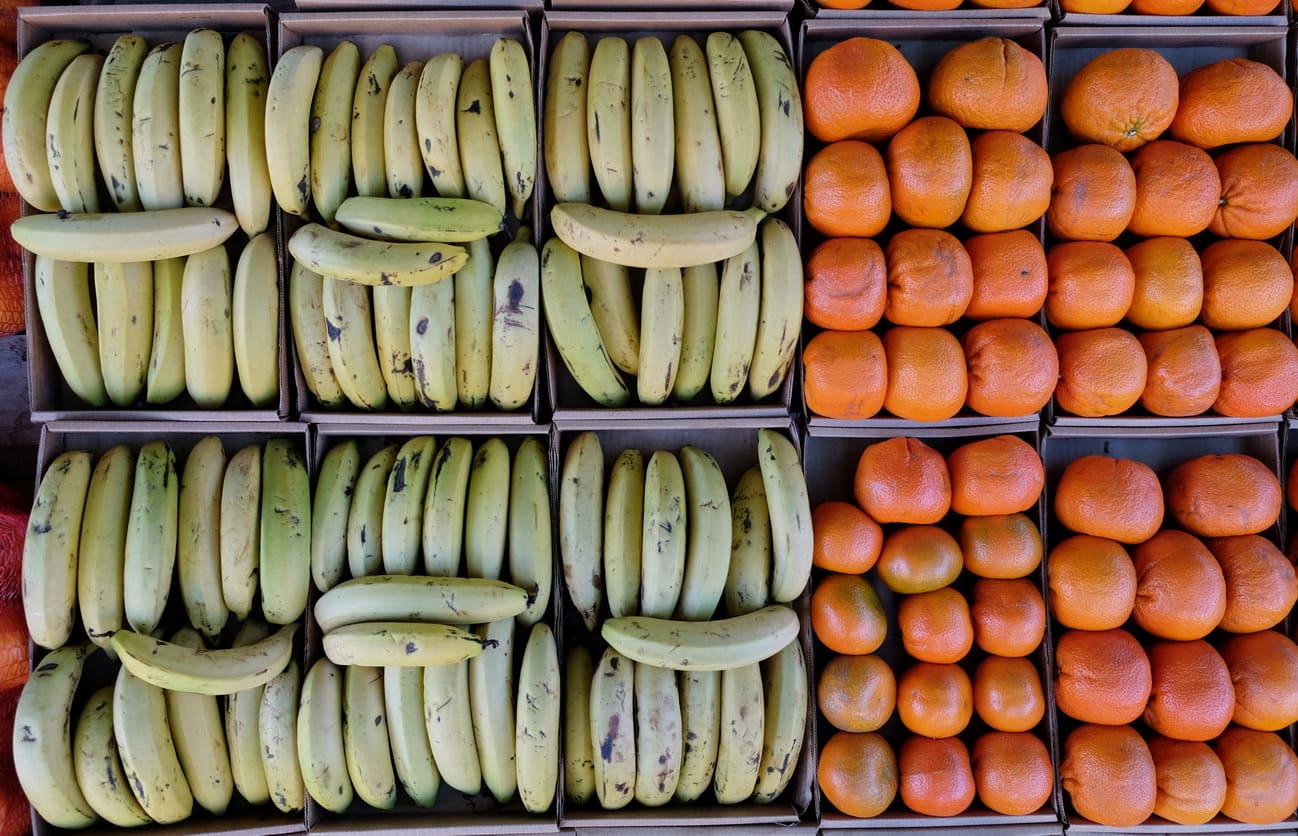
South African agricultural products exported to the US include citrus, macadamia nuts, wine, grapes, raisins, fruit juices and processed foods.
The Citrus Growers Association of Southern Africa (CGA) described the exclusion as a blow to the industry, warning that American consumers would also lose from the decision.
CGA chief executive Boitshoko Ntshabele said South African citrus complemented domestic US production by supplying fruit during the American off-season.
“This will be a loss not just for us, but the US consumer will lose too. Citrus trade between SA and the US has always been mutually beneficial. Our citrus is complementary to their production and our fruit helps keep American consumers in the citrus category during the US off-season,” Ntshabele said.
The implications extend beyond large agricultural exporters to businesses involved in processing, packaging, logistics and other services supporting export supply chains. Smaller suppliers could face pressure if exporters reduce orders or production in response to higher trade costs.
Anton Viljoen, a Hex River Valley grape grower and exporter, said South African exporters had established strong relationships with American buyers.
“We have built strong relationships, and our partners have faith in our ability to deliver according to fixed programmes,” Viljoen said.
Trade relations under pressure
The extension did not guarantee South Africa’s continued eligibility, as beneficiary countries remain subject to annual reviews.
South Africa’s eligibility had been uncertain amid strained diplomatic relations and US criticism of its domestic legislation.
Trade, Industry and Competition Minister Parks Tau said South Africa will continue trading with the US despite the decision.
“Whatever the outcome, our economy will remain stable, our exporters will keep trading, and the government stands ready to support our economy, particularly the hard-working SA business community and their employees,” Tau said ahead of the announcement last week.
He said bilateral trade between the two countries reached $28.8 billion in 2025, with more than 600 American companies operating in South Africa and supporting approximately 134,600 jobs.
The government has identified markets across Africa, India, the European Union, the United Kingdom, China and other regions as part of its export diversification efforts.