










































Entrepreneurs should understand the difference between registering a company and protecting its brand. Registering a company does not automatically give it trademark protection.
A trademark can protect a business name, logo or other distinctive brand identity. Business owners can apply through CIPC to register a trademark, which must be renewed every 10 years.
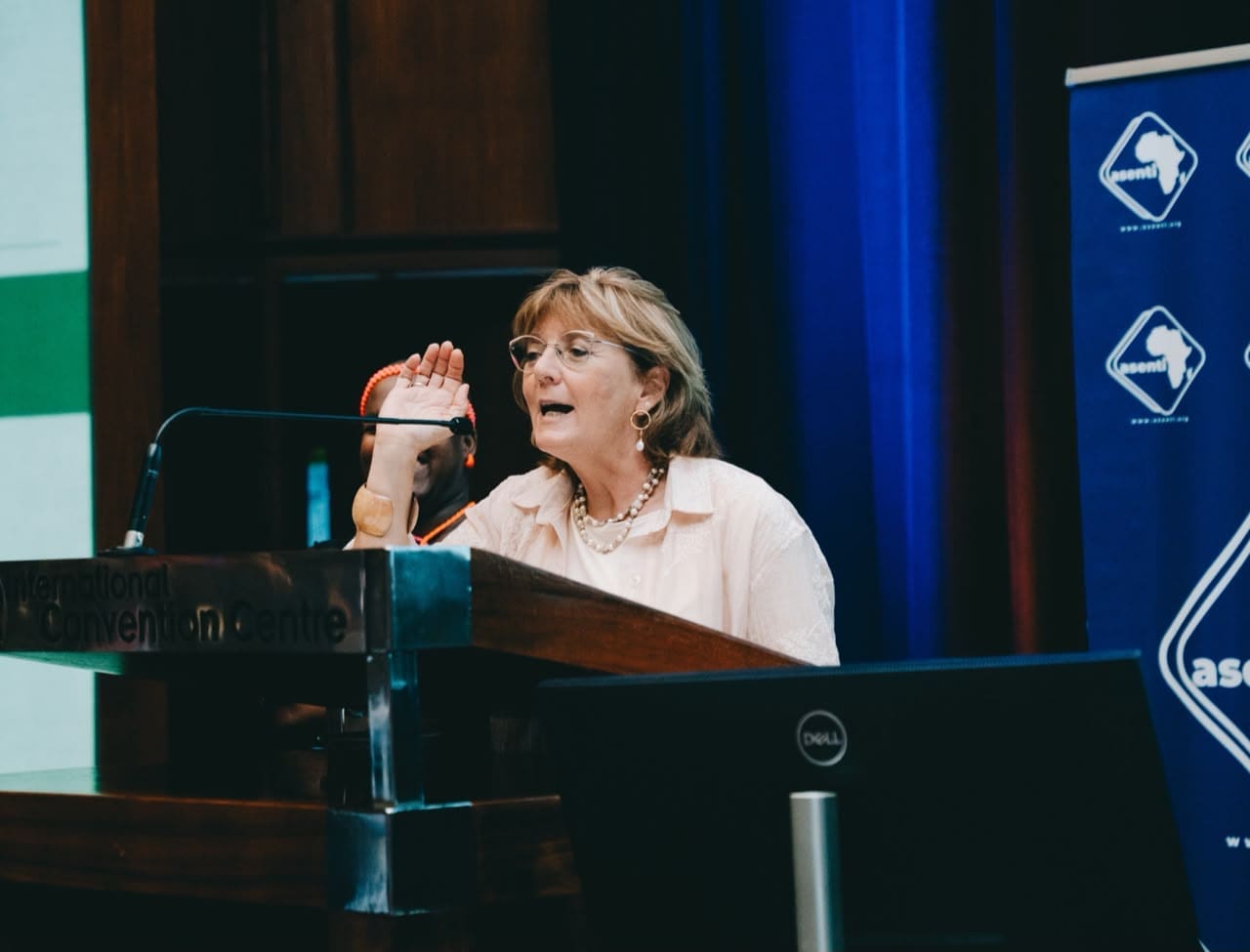
Amanda Lotheringen of CIPC, speaking at the African Summit on Entrepreneurship & Innovation 2026 (ASENTI), shared guidance on intellectual property and why business owners should understand how to protect the names, brands, and ideas they have developed.
ASENTI 2026 gathered Africa’s founders, investors, educators, governments and innovation hubs under the theme Re-imagining Partnerships for Sustainable Entrepreneurship and Innovation in Africa.
Starting a business involves more than having a product to sell or a service to offer. Entrepreneurs also need to understand how to register their businesses, protect their brands and keep their company information in order.
The Companies and Intellectual Property Commission (CIPC) plays an important role in this process. It handles company registration and intellectual property services, including the registration of trademarks, patents and designs.
Entrepreneurs who have developed an invention but cannot afford patent assistance can also investigate the Inventor Assistance Programme, which connects eligible inventors with patent professionals.
Protecting intellectual property can help businesses prevent unauthorised use of their work and create opportunities to earn income through licensing and commercial partnerships.
During the ASENTI 2026 panel discussion, Investing in Africa’s Next Growth Story: Unlocking Capital for African Entrepreneurs, financial and business experts considered the barriers entrepreneurs face when seeking funding.
The discussion was moderated by Dr Tsitsi Senga-Makuve, with panellists Dr Thabang Chiloane of the Banking Association South Africa, Dr Sindiswa Mzamo of the Circle of Global Business Women, Sechaba Oa Selialia of Greenovations and Jameel Khan of TheUnconventionalCA.
The discussion covered different funding options, including loans, guarantees, alternative forms of collateral and blended finance.
Blended finance combines funding from different sources, often using public or development finance to encourage private investment and reduce some of the risks for lenders.
The African Development Bank’s Affirmative Finance Action for Women in Africa (AFAWA) was also mentioned as an initiative working to improve access to finance for women-led businesses through guarantees and other support.
Having a confirmed order or contract can also strengthen a funding application, particularly when a business needs working capital to buy materials or fulfil an order. However, a contract does not guarantee that funding will be approved.